

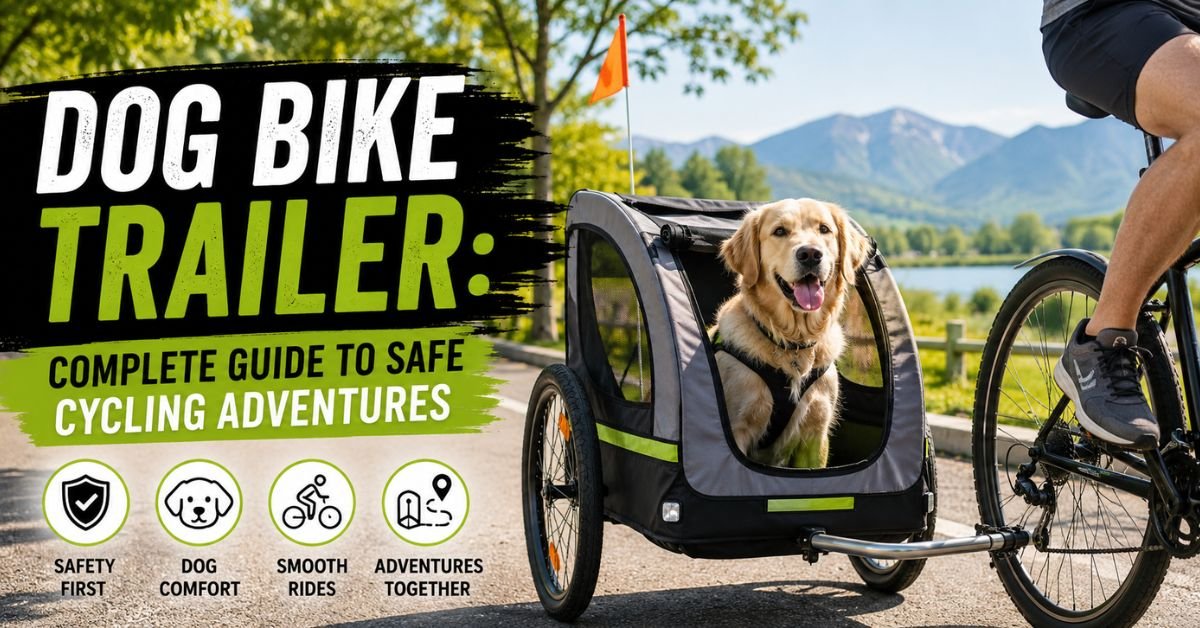
A dog bike trailer can transform ordinary bike rides into shared outdoor adventures. Whether your dog is too small to run alongside a bicycle, recovering from an injury, aging gracefully, or simply unable to keep pace for long distances, a quality trailer allows them to safely join the journey.
Many owners assume bike trailers are only for senior dogs. In reality, they can benefit puppies, toy breeds, dogs with mobility limitations, and even healthy dogs during longer rides where excessive running could strain joints and paw pads.
The key is choosing the right trailer and teaching your dog to feel secure inside it.
Quick Answer
A dog bike trailer is a tow-behind carrier designed to transport dogs safely while cycling. It protects dogs from overexertion, hot pavement, and long-distance fatigue while allowing them to enjoy outdoor adventures. The safest trailers provide proper ventilation, secure harness attachment points, durable construction, and enough room for your dog to sit, stand, and lie comfortably during rides.
What Is a Dog Bike Trailer?
A dog bike trailer is an enclosed or partially enclosed carrier that attaches to the rear axle or hitch point of a bicycle. Unlike dog baskets mounted on handlebars, trailers ride close to the ground and offer significantly more stability and space.
Most models include:
- Mesh ventilation windows
- Weather-resistant covers
- Safety flags
- Internal leash attachments
- Reflective strips
- Suspension systems on premium models
- Quick-release wheels
They are available in sizes ranging from compact trailers for small breeds to heavy-duty options designed for dogs weighing over 100 pounds.
Why Dog Owners Use Bike Trailers
Dogs love participating in family activities. Unfortunately, not every dog can physically keep up with cycling.
A dog bike trailer solves several common challenges.
Senior Dogs
Older dogs often experience reduced stamina and joint stiffness. They may still enjoy outdoor experiences but struggle with long walks.
A trailer lets them experience fresh air, sights, and smells without excessive physical strain.
Small Breeds
Tiny dogs have shorter legs and cannot safely maintain bicycle speeds. Even a slow cycling pace can be difficult for breeds such as:
- Chihuahua
- Maltese
- Pomeranian
- Yorkshire Terrier
Injured or Recovering Dogs
According to veterinary guidance, controlled activity is often important during recovery. Dogs recovering from orthopedic procedures or injuries may benefit from supervised outings without excessive exercise.
Always follow your veterinarian’s instructions before using a trailer during recovery.
Long-Distance Adventures
Many active owners enjoy cycling several miles at a time. Even athletic dogs can become exhausted during extended rides, especially in warm weather.
A trailer provides a comfortable place to rest when needed.
Benefits of Using a Dog Bike Trailer
Protects Joints and Paw Pads
Running beside a bicycle places repetitive stress on joints, tendons, and paw pads.
A trailer eliminates these concerns while still allowing outdoor enrichment.
Expands Travel Opportunities
Many owners report cycling more frequently when their dogs can comfortably accompany them.
Weekend rides become easier when no one is left behind.
Reduces Heat-Related Risks
Hot pavement can burn paw pads surprisingly quickly.
Transporting your dog inside a ventilated trailer can reduce direct contact with hot surfaces.
Helps Nervous Dogs Build Confidence
Some dogs become anxious in busy parks or urban environments.
By gradually exposing them to the environment from a protected area, they are able to observe their surroundings.
Supports Dogs With Disabilities
Dogs with mobility limitations can continue participating in family outings despite physical challenges.
Potential Risks Every Owner Should Know
A dog bike trailer is not risk-free.
Understanding possible hazards helps prevent accidents.
Overheating
Poor ventilation can create dangerous temperatures inside the trailer.
Avoid riding during:
- Peak afternoon heat
- High humidity
- Heat advisories
Always monitor your dog for signs of overheating.
Improper Restraint
An unsecured dog may attempt to jump out while moving.
Use only a properly fitted harness attached to the trailer’s safety tether.
Never attach a neck collar inside a moving trailer.
Rough Terrain
Excessive bumps can cause discomfort.
Avoid:
- Rocky trails
- Deep potholes
- Technical mountain bike routes
Excessive Speed
Cycling at high speeds reduces reaction time and increases risk.
Most dog owners find moderate recreational speeds safest and most comfortable.
Types of Dog Bike Trailers
| Trailer Type | Best For | Advantages | Drawbacks |
| Standard Trailer | Most dogs | Affordable, versatile | Basic suspension |
| Premium Suspension Trailer | Long rides | Smoother ride quality | Higher cost |
| Convertible Trailer/Stroller | Multi-purpose use | Walking and cycling options | Heavier |
| Heavy-Duty Trailer | Large breeds | Higher weight capacity | Bulkier storage |
| Compact Lightweight Trailer | Small dogs | Easy transport | Less interior space |
What to Look for When Choosing a Dog Bike Trailer
Consider Weight Capacity
Manufacturers specify maximum weight limits.
Never exceed the recommended capacity.
As a general rule, choose a trailer with at least 10–20% additional capacity beyond your dog’s current weight.
Measure Interior Space
Your dog should comfortably:
- Sit upright
- Turn around
- Lie down naturally
A cramped trailer quickly becomes uncomfortable.
Look for Ventilation
Good airflow is essential.
Look for:
- Large mesh panels
- Multiple ventilation openings
- Adjustable weather covers
Evaluate Safety Features
Important features include:
- Internal safety leash
- Reflective trim
- Parking brake
- Safety flag
- Stable wheelbase
Suspension Matters
The benefits of suspension are significant if you ride frequently on uneven surfaces.
Many dog owners notice less bouncing and reduced anxiety in dogs riding in suspension-equipped trailers.
Dog Bike Trailer vs Running Beside a Bicycle
Some owners wonder whether a trailer is necessary if their dog enjoys running.
The answer depends on several factors.
Running Beside a Bike May Work For:
- Healthy adult dogs
- Athletic breeds
- Short distances
- Cool weather conditions
A Trailer Is Often Better For:
- Puppies
- Senior dogs
- Brachycephalic breeds
- Dogs with arthritis
- Long-distance rides
- Hot weather
Veterinarians often caution against excessive repetitive exercise in growing puppies because developing joints remain vulnerable.
Training Your Dog to Ride in a Bike Trailer
Training is often the difference between a relaxed passenger and a stressed one.
Step 1: Introduce the Trailer Indoors
Place the trailer in a familiar environment.
Allow your dog to:
- Sniff it
- Explore it
- Enter voluntarily
Reward curiosity with treats.
Step 2: Create Positive Associations
Feed treats inside the trailer.
Some owners even serve meals there during the training phase.
Step 3: Practice Sitting Calmly
Encourage short sessions inside the stationary trailer.
Keep experiences positive and brief.
Step 4: Walk the Trailer
Before attaching it to a bicycle, pull it by hand.
This introduces movement gradually.
Step 5: Take Very Short Rides
Start with rides lasting only a few minutes.
Increase duration as confidence grows.
Step 6: Monitor Body Language
Signs of comfort include:
- Relaxed posture
- Calm breathing
- Willingness to enter voluntarily
Signs of stress include:
- Excessive panting
- Whining
- Trembling
- Refusal to enter
Slow down training if these signs appear.
Practical Checklist Before Every Ride
Pre-Ride Safety Checklist
Check tire pressure
Verify hitch attachment
Inspect trailer frame
Test wheel security
Secure safety flag
Attach reflective gear
Use a properly fitted harness
Confirm internal tether attachment
Bring water
Pack waste bags
Check weather conditions
Inspect ventilation openings
Verify your dog appears healthy and comfortable
Start with a short warm-up ride
Monitor your dog’s behavior throughout the trip
Best Dogs for Bike Trailer Adventures
Many breeds adapt well to trailer travel.
Examples include:
- Cavalier King Charles Spaniel
- French Bulldog
- Pug
- Shih Tzu
- Dachshund
- Corgi
- Senior Labrador Retriever
- Senior Golden Retriever
The dog’s personality often matters more than breed.
Calm, curious dogs typically adjust faster than highly reactive dogs.
Weather Considerations
Summer Riding
Heat poses the greatest danger.
Ride:
- Early morning
- Late evening
- Shaded routes
Bring water and take breaks frequently.
Winter Riding
Cold temperatures can create discomfort.
Consider:
- Wind-resistant covers
- Blankets
- Insulated bedding
Rainy Conditions
Waterproof covers help keep passengers dry.
However, visibility and traction may be reduced for cyclists.
Common Mistakes Dog Owners Make
Buying a Trailer That’s Too Small
Many people underestimate how much room a dog needs.
Measure carefully before purchasing.
Skipping Training
Throwing a dog into a trailer and immediately riding several miles often creates fear.
Gradual introduction is far more successful.
Ignoring Temperature
Even mild temperatures can feel much warmer inside enclosed spaces.
Monitor conditions continuously.
Using a Collar Instead of a Harness
Sudden movements can place dangerous pressure on the neck.
A harness distributes force more safely.
Riding Too Fast
Comfort should always take priority over speed.
When to Call a Veterinarian
Stop using a dog bike trailer and seek veterinary advice if your dog shows:
- Collapse or weakness
- Excessive panting that doesn’t improve
- Pale gums
- Difficulty breathing
- Persistent limping
- Signs of pain after rides
- Vomiting
- Disorientation
- Heatstroke symptoms
- Refusal to bear weight on a limb
Veterinary evaluation is particularly important for dogs with heart disease, respiratory conditions, arthritis, or recent orthopedic injuries before beginning regular trailer use.
Sources & References
For additional reading and evidence-based guidance, consult:
- American Kennel Club (AKC)
- Merck Veterinary Manual
- VCA Animal Hospitals
- PetMD
- Association of Professional Dog Trainers (APDT)
- American Veterinary Medical Association (AVMA)
- Veterinary rehabilitation and sports medicine resources
- Manufacturer safety guidelines from reputable trailer brands such as Burley and DoggyRide
These organizations provide regularly updated information on canine exercise, travel safety, heat stress prevention, and mobility management.
Final Thoughts
A dog bike trailer opens the door to adventures that might otherwise be impossible for puppies, senior dogs, small breeds, and dogs with mobility limitations. The right trailer, combined with gradual training and careful safety practices, can help your dog enjoy countless miles of fresh air and exploration while staying comfortable and protected. The best rides are the ones where both cyclist and canine companion finish happy, relaxed, and eager for the next outing.
Yes, many puppies can ride safely in a dog bike trailer when properly secured. The trailer prevents excessive running that could stress developing joints. Introduce it gradually and ensure the puppy remains calm and comfortable during rides.
Moderate recreational speeds are usually safest. The goal is comfortable transportation, not high-speed cycling. Slow down on corners, uneven surfaces, and crowded pathways.
Yes, provided the trailer is specifically rated for the dog’s weight and size. Large breeds need reinforced frames, larger cabins, and higher weight capacities than standard trailers.
Many dogs become relaxed enough to rest or sleep during longer rides. A stable trailer with good suspension and comfortable bedding makes this more likely.
Many dogs enjoy the experience once properly trained. They can observe their surroundings, smell new scents, and accompany their families without physical overexertion.

Muhammad Ahad — Passionate writer sharing informative, engaging, and easy-to-read articles across different topics. Focused on delivering valuable content that helps readers learn, explore, and stay inspired every day.