

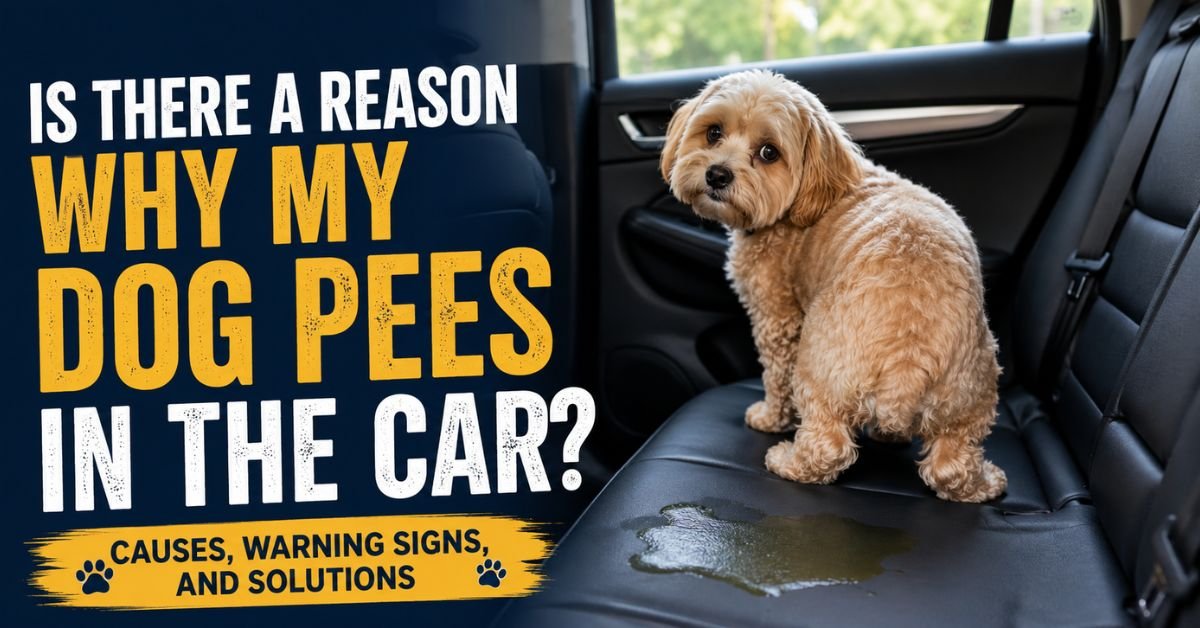
Many dog owners notice that their dog starts panting heavily the moment the car engine starts. If you’ve ever wondered, “why does my dog pant in the car?”, you’re not alone. Panting during car rides can happen for several reasons, ranging from excitement and anxiety to motion sickness and overheating.
In some dogs, car panting is harmless and temporary. In others, it may signal significant stress or a medical issue that requires attention.Your dog will be more comfortable and safer when you understand the difference between the two.
Quick Answer Box
Dogs pant in the car most commonly because of stress, excitement, motion sickness, heat, or fear associated with travel. Mild panting during short trips can be normal, but excessive panting combined with drooling, vomiting, lethargy, or collapse requires immediate attention. Identifying the cause is the first step toward helping your dog travel comfortably and safely.
Why Do Dogs Pant in General?
Temperature regulation is one of the primary functions of panting in dogs. Unlike humans, dogs have relatively few sweat glands and depend heavily on panting to cool themselves.
However, dogs also pant when they experience:
- Fear
- Stress
- Excitement
- Pain
- Motion sickness
- Overheating
- Certain medical conditions
This is why context matters. A dog panting after a walk is very different from a dog panting uncontrollably while sitting in an air-conditioned vehicle.
1. Car Anxiety Is the Most Common Cause
For many dogs, the car itself is stressful.
Your dog may associate car rides with experiences they dislike, such as:
- Veterinary visits
- Grooming appointments
- Boarding facilities
- Previous accidents
- Loud traffic noises
When dogs feel anxious, their bodies release stress hormones like adrenaline and cortisol. These hormones increase heart rate and respiratory rate, causing excessive panting.
Signs of car anxiety include:
- Trembling
- Whining
- Pacing
- Excessive panting
- Drooling
- Refusing to enter the vehicle
- Dilated pupils
- Yawning repeatedly
Many owners mistakenly assume their dog loves car rides because they appear energetic. In reality, excitement and anxiety can sometimes look very similar.
2. Your Dog May Be Experiencing Motion Sickness
Just like people, dogs can get motion sickness.
This is especially common in:
- Puppies
- Young dogs
- Dogs with limited travel experience
Motion sickness occurs when the inner ear detects movement that the brain struggles to process.
Common symptoms include:
- Heavy panting
- Excessive drooling
- Lip licking
- Restlessness
- Vomiting
- Yawning
- Trembling
Many puppies outgrow motion sickness as their vestibular system matures, but some dogs continue experiencing symptoms throughout life.
3. Excitement Can Trigger Panting
Not every dog that pants in the car is unhappy.
Some dogs genuinely love traveling because they associate car rides with:
- Parks
- Hiking adventures
- Dog beaches
- Family trips
- Visiting favorite people
Excitement activates the sympathetic nervous system, increasing breathing and causing temporary panting.
Signs of excited panting:
- Tail wagging
- Relaxed body posture
- Bright eyes
- Eagerness to enter the car
- Quick recovery after arriving
If the panting stops shortly after reaching your destination, excitement is likely the cause.
4. Your Dog Might Be Overheating
Heat is one of the most dangerous reasons for panting during car travel.
Even with windows cracked, cars can become dangerously hot within minutes.
Dogs at greater risk include:
- Bulldogs
- Pugs
- French Bulldogs
- Boxers
- Senior dogs
- Overweight dogs
Heat stress symptoms include:
- Extremely heavy panting
- Thick saliva
- Bright red gums
- Weakness
- Vomiting
- Collapse
Heatstroke is a veterinary emergency and can become fatal very quickly.
5. Fear of Vehicle Sounds and Motion
Some dogs dislike:
- Engine vibrations
- Traffic noises
- Horns
- Sudden braking
- Road bumps
- Highway speeds
Dogs experience the world differently than humans. Sounds that barely register to us can be overwhelming for them.
Rescue dogs and dogs with limited early socialization are particularly vulnerable to vehicle-related fears.
6. Previous Negative Experiences
Dogs form powerful associations.
If your dog experienced:
- A frightening accident
- Severe motion sickness
- A painful veterinary visit
- A stressful relocation
they may associate all future car rides with danger.
This learned fear response often results in immediate panting as soon as they see the vehicle.
7. Pain or Physical Discomfort
Sometimes the issue isn’t the car itself.
Dogs suffering from:
- Arthritis
- Hip dysplasia
- Back pain
- Joint disease
- Injuries
may pant because traveling causes discomfort.
Older dogs frequently struggle with maintaining balance during vehicle movement, which can increase both pain and anxiety.
8. Separation-Related Stress
Some dogs only panic when separated from a specific family member during car rides.
For example:
- Riding with one owner but not another
- Traveling alone in a crate
- Sitting in the back seat away from their favorite person
This emotional stress can cause significant panting.
Comparison Table: Common Reasons Dogs Pant in the Car
| Cause | Other Symptoms | Severity | Typical Solution |
| Excitement | Tail wagging, alertness | Low | Continue positive experiences |
| Anxiety | Trembling, whining | Moderate | Desensitization training |
| Motion sickness | Drooling, vomiting | Moderate | Veterinary treatment |
| Heat stress | Red gums, weakness | Severe | Immediate cooling and veterinary care |
| Fear response | Shaking, hiding | Moderate | Behavior modification |
| Pain | Difficulty moving | Moderate to severe | Veterinary examination |
| Previous trauma | Refusal to enter car | Moderate | Gradual retraining |
How to Tell Whether Panting Is Normal or Dangerous
Ask yourself these questions:
Is your dog still responsive?
A responsive, alert dog is usually less concerning.
Does the panting stop after arriving?
Temporary panting often indicates excitement or mild anxiety.
Are there additional symptoms?
Symptoms like vomiting, collapse, or lethargy require urgent attention.
Is the environment hot?
Always rule out overheating first.
How to Help a Dog That Pants in the Car
Start with short trips
Begin with:
- Sitting in the parked car
- Turning on the engine
- Driving around the block
- Gradually increasing distance
Create positive associations
Reward your dog with:
- Treats
- Praise
- Favorite toys
- Fun destinations
Improve comfort
Consider:
- Crash-tested dog harnesses
- Car seats
- Cooling mats
- Non-slip bedding
Reduce motion sickness triggers
Try:
- Shorter trips
- Fresh airflow
- Avoiding large meals before travel
- Frequent breaks
Speak with your veterinarian
Veterinarians often recommend prescription medications or anti-anxiety strategies for dogs with severe travel stress.
Practical Checklist: What To Do If Your Dog Pants in the Car
Check the temperature inside the vehicle.
Observe whether your dog is anxious, excited, or sick.
Watch for drooling, vomiting, or weakness.
Provide adequate ventilation.
Secure your dog properly during travel.
Avoid feeding a large meal before travel.
Take short practice drives.
Reward calm behavior.
Document patterns and triggers.
Contact your veterinarian if symptoms worsen.
When Should You Call a Veterinarian?
Seek veterinary advice immediately if your dog experiences:
- Collapse
- Fainting
- Blue or pale gums
- Vomiting repeatedly
- Difficulty breathing
- Severe lethargy
- Signs of heatstroke
- Sudden onset panting in older dogs
- Panting combined with pain symptoms
According to veterinary guidance, severe panting should never be ignored if accompanied by other concerning symptoms.
Can You Train a Dog to Enjoy Car Rides?
In many cases, yes.
Behavior specialists frequently recommend a gradual desensitization approach:
- Reward approaching the car.
- Reward sitting inside the parked vehicle.
- Introduce the engine sound.
- Take extremely short trips.
- Slowly increase duration.
- Pair travel with positive experiences.
Progress may take days, weeks, or months depending on the dog’s history and temperament.
Common Mistakes Dog Owners Make
Many owners unintentionally worsen car anxiety by:
- Forcing dogs into vehicles
- Taking only stressful trips
- Ignoring early anxiety signs
- Punishing fearful behavior
- Allowing dogs to overheat
- Skipping proper restraint systems
Patience and consistency usually produce better long-term results.
Final Thoughts
If you’ve been asking, “why does my dog pant in the car,” the answer often comes down to one of five factors: excitement, anxiety, motion sickness, heat, or fear. Paying attention to your dog’s body language, travel history, and accompanying symptoms can help you determine whether the behavior is normal or requires professional advice.
Most dogs can learn to tolerate and even enjoy car rides with patience, training, and the right support.
Mild panting can be normal if your dog is excited or mildly anxious. However, excessive panting during every trip may indicate underlying anxiety, motion sickness, or discomfort that deserves further investigation.
Panting combined with shaking often suggests fear, stress, or motion sickness. If the symptoms are severe or worsening, consult your veterinarian.
Yes. Puppies commonly experience motion sickness due to immature balance systems. Many improve as they grow older and gain positive travel experiences.
Yes. Fresh water should be available during breaks, especially during warm weather or long trips.
For severe travel anxiety, veterinarians may prescribe medications alongside behavior modification programs. Medication should never be started without veterinary guidance.

Muhammad Ahad — Passionate writer sharing informative, engaging, and easy-to-read articles across different topics. Focused on delivering valuable content that helps readers learn, explore, and stay inspired every day.