

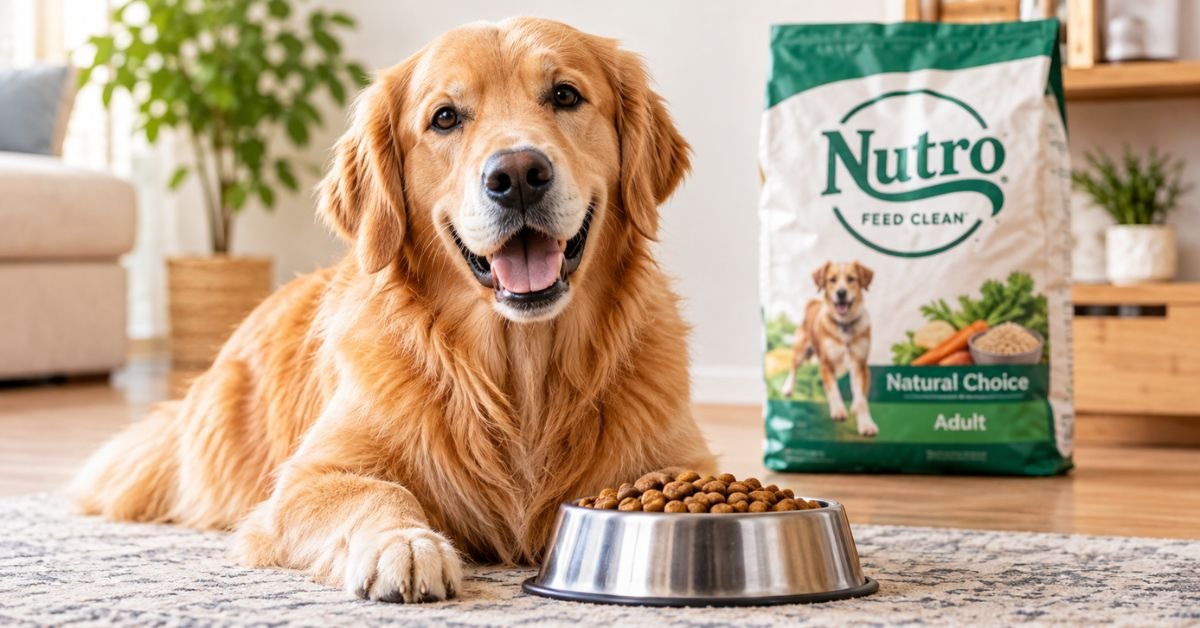
Choosing the right dog food can be confusing, especially when so many brands promise healthy ingredients, balanced nutrition, and better digestion. Nutro is a well-known dog food brand that offers different recipes for puppies, adult dogs, and senior dogs.
But is Nutro actually good for dogs? Does it provide balanced nutrition, and are its ingredients suitable for dogs with different dietary needs?
The answer depends on the specific Nutro formula, your dog’s age, activity level, health, and individual nutritional requirements. A food that works well for one dog may not suit another.
In this guide, we examine Nutro dog food, its ingredients, potential benefits, nutritional considerations, advantages, disadvantages, and feeding guidelines to help you make an informed decision.
Is Nutro Good for Dogs? An Overview
Yes, Nutro can be a suitable dog food option for many healthy dogs, provided you select a formula that meets their nutritional requirements and is labeled complete and balanced for their life stage.
Nutro offers several product lines, including dry kibble and wet food. Depending on the recipe, its formulas may contain animal protein, grains, vegetables, fats, vitamins, and minerals.
However, not every Nutro recipe has the same nutritional profile. Ingredient lists, protein levels, fat content, calories, and life-stage suitability can differ considerably.
Therefore, rather than judging the entire brand by its marketing claims, evaluate the individual recipe you intend to feed.
Nutro Dog Food: What Ingredients Does It Contain?
Nutro uses a range of ingredients depending on the product line and recipe. Its official ingredient information identifies several common categories.
1. Animal-Based Protein Sources
Protein supports muscle development, tissue repair, and normal body functions.
Depending on the recipe, Nutro may use:
- Farm-raised chicken
- Lamb
- Beef
- Salmon
- Duck
- Chicken meal or other animal protein meals
Protein quality and digestibility matter more than simply choosing a food with the highest protein percentage.
For example, an active adult dog may benefit from a protein-rich diet that supports muscle maintenance, while a less active dog may need a carefully controlled calorie intake.
2. Whole Grains and Carbohydrates
Some Nutro recipes contain brown rice, oatmeal, or other grains. Other formulas use ingredients such as sweet potatoes, lentils, or tapioca.
These ingredients provide energy and, depending on the ingredient, dietary fiber.
Whole grains can be appropriate for dogs that tolerate them. There is no general nutritional requirement for healthy dogs to eat grain-free food.
3. Fruits and Vegetables
Some Nutro recipes include ingredients such as:
- Carrots
- Apples
- Blueberries
- Spinach
- Green beans
- Sweet potatoes
These ingredients can contribute fiber and naturally occurring nutrients. However, their presence does not automatically make a dog food nutritionally superior.
4. Fats and Essential Fatty Acids
Nutro recipes may contain chicken fat, sunflower oil, flaxseed, or fish oil.
Dietary fats provide concentrated energy and help dogs absorb fat-soluble vitamins. Essential fatty acids also contribute to healthy skin and coat function.
The appropriate fat level depends on your dog’s age, activity, body condition, and health.
Potential Benefits of Nutro Dog Food
Nutro offers several features that may make its products suitable for certain dogs.
1. Different Formulas for Different Life Stages
Dogs have different nutritional requirements as they grow.
Nutro offers products designed for:
- Puppies that need nutrients to support growth.
- Adult dogs that need balanced daily nutrition.
- Senior dogs that need diets appropriate for their changing activity and body condition.
Some formulas also target specific sizes, including small and large breeds.
Choosing a life-stage-appropriate recipe is especially important for puppies because growth requires carefully balanced nutrients.
2. Multiple Protein Choices
Nutro offers different animal protein options, which can help owners find a recipe their dogs enjoy and tolerate.
For example, a dog that does not tolerate chicken may have other protein options available.
However, switching protein sources does not automatically treat a food allergy. Dogs with suspected food allergies may need a veterinarian-supervised elimination diet.
3. Complete and Balanced Nutrition
One positive point is that Nutro states that its recipes are formulated to meet the nutritional levels established by AAFCO Dog Food Nutrient Profiles for their intended life stages.
This is important because dogs need appropriate amounts of protein, fats, vitamins, minerals, and other essential nutrients.
Still, always check the nutritional adequacy statement on the exact package you purchase.
4. Dry and Wet Food Options
Nutro offers both dry kibble and wet food.
Dry food is convenient to store, measure, and serve. Wet food contains more moisture and may be helpful for dogs that prefer softer textures or need additional water in their meals.
You can also ask your veterinarian whether combining wet and dry food is appropriate for your dog’s nutritional needs.
5. Different Dietary Formulations
Nutro’s product range includes Natural Choice, Ultra, Limited Ingredient, and Max formulations.
These products are not nutritionally identical.
For example, the Limited Ingredient range is marketed toward dogs with ingredient sensitivities, while other product lines offer different protein combinations and nutritional profiles.
Which Nutro Dog Food Formula Should You Choose?
The best Nutro formula depends on your dog’s individual needs rather than the product name alone.
Here are some general considerations when comparing its product lines.
Signs Nutro Dog Food May Not Suit Your Dog
Even a nutritionally complete food may not agree with every dog. Individual tolerance, food allergies, underlying medical conditions, and feeding practices can affect how a dog responds.
Watch for the following signs after introducing a new formula.
1. Digestive Upset
Some dogs experience temporary digestive changes when their food is changed.
Possible symptoms include:
- Loose stools
- Diarrhea
- Vomiting
- Excessive gas
- Changes in appetite
These symptoms can have many causes, so do not automatically assume Nutro is responsible.
Persistent vomiting, repeated diarrhea, blood in the stool, or signs of dehydration require veterinary attention.
2. Excessive Itching or Skin Irritation
Food allergies can sometimes cause:
- Repeated paw licking
- Persistent ear infections
- Itchy skin
- Recurrent skin inflammation
However, environmental allergies, fleas, and other skin conditions can produce similar symptoms.
A veterinarian should investigate persistent itching before you change proteins repeatedly.
3. Unwanted Weight Gain
Weight gain may occur when a dog consumes more calories than it uses.
Even a nutritionally balanced food can contribute to obesity when portions are too large or treats are not included in the daily calorie allowance.
Monitor your dog’s weight and body condition regularly.
4. Reduced Appetite
Some dogs may dislike a particular recipe’s flavor, smell, or texture.
If your dog suddenly refuses food, consider other causes as well, including dental discomfort, illness, nausea, or stress.
When Should You Contact a Veterinarian?
Professional guidance for your dog’s health
Seek veterinary advice if your dog develops persistent digestive problems, unexplained weight loss, repeated vomiting, severe itching, or a sudden change in appetite. These symptoms may indicate an underlying health issue that requires professional assessment.
Get immediate veterinary attention if your dog experiences severe weakness, collapse, breathing difficulty, or repeated vomiting with an inability to keep water down. Do not delay care when these warning signs appear.
Veterinary Advice: How to Evaluate Nutro Dog Food
The following guidance is based on established veterinary nutrition principles rather than an individual examination of your dog.
🩺 Veterinary Expert Advice & Disclaimer:
“When evaluating Nutro dog food, focus on the nutritional adequacy statement, calorie content, and nutrient profile of the individual recipe rather than relying only on ingredient claims. Dogs with allergies, digestive disorders, pancreatitis, kidney disease, or other medical conditions should have their diet selected with guidance from a veterinarian.”
— Veterinary Nutrition Guidance Prepared for Doggopulse; not an individual veterinary review
Important Things to Check Before Buying Nutro
Before choosing a particular recipe, evaluate more than its front-of-package claims.
1. Check the Nutritional Adequacy Statement
Look for wording indicating that the food is complete and balanced for the intended life stage.
A puppy formula should support growth, while an adult formula should be appropriate for adult maintenance.
AAFCO nutrient profiles provide an important nutritional reference, but AAFCO does not individually approve or certify every commercial dog food.
2. Examine Protein and Fat Levels
Protein and fat percentages should match your dog’s nutritional requirements.
For example:
- Growing puppies need appropriate protein and energy to support development.
- Active dogs may need more dietary energy.
- Less active dogs may need controlled calorie intake.
- Dogs with certain medical conditions may require specific therapeutic diets.
Do not assume that higher protein or lower fat is automatically better.
3. Check the Calorie Content
Calories are particularly important for dogs that gain weight easily.
Compare the calories per cup, can, or kilogram rather than relying on feeding recommendations alone.
4. Consider Ingredient Sensitivities
If your dog has a diagnosed food allergy, identify the specific ingredient that causes the reaction.
A limited-ingredient label does not guarantee that the food is hypoallergenic or suitable for every allergic dog.
5. Look at Manufacturer Transparency
The World Small Animal Veterinary Association (WSAVA) recommends evaluating manufacturers based on factors such as:
- Nutritionist qualifications
- Who formulates the food
- Manufacturing and quality-control procedures
- Nutritional research
- Availability of complete nutrient information
These criteria are more useful than judging food quality through marketing terms such as premium or natural.
Possible Disadvantages of Nutro Dog Food
Although Nutro offers several useful options, there are some limitations worth considering before making it your dog’s regular diet.
1. Not Every Formula Suits Every Dog
Different recipes contain different proteins, carbohydrates, and fat levels.
A dog that tolerates chicken may not tolerate another ingredient in a different Nutro formula.
Always evaluate the exact recipe rather than assuming every product from the same brand will suit your dog.
2. Some Recipes May Not Suit Dogs With Medical Conditions
Dogs with pancreatitis, kidney disease, diabetes, or other medical conditions may need carefully controlled nutrient levels.
For example, dogs recovering from pancreatitis may require a veterinarian-selected low-fat diet. A standard Nutro adult formula should not automatically be considered appropriate.
3. Limited Ingredient Does Not Mean Allergy-Proof
Nutro’s Limited Ingredient products may help owners identify recipes with fewer selected ingredients.
However, they should not automatically replace veterinary therapeutic diets used to diagnose or manage food allergies.
4. Grain-Free Formulas Require Careful Evaluation
Some grain-free dog foods contain substantial amounts of peas, lentils, chickpeas, or other legumes.
The FDA has investigated a potential association between certain diets and canine dilated cardiomyopathy (DCM), a heart condition.
The exact relationship remains unresolved, and the FDA has not established that every grain-free diet causes heart disease.
For this reason, do not choose a grain-free formula simply because it sounds healthier. Discuss your dog’s nutritional requirements with your veterinarian.
Feeding Guidelines: How Much Nutro Should You Feed Your Dog?
The correct amount depends on your dog’s weight, age, activity level, body condition, and the calorie density of the selected recipe.
Nutro provides feeding recommendations for individual products, but these should be treated as starting points rather than fixed requirements.
Recommended Feeding Considerations by Dog Size
These are weight categories, not prescribed daily serving amounts. Use the feeding chart on your specific Nutro package to determine portions.
1. Start With the Manufacturer’s Feeding Chart
Check the recommended serving size on the package.
Pay attention to whether the chart uses your dog’s current weight or target healthy weight.
If your dog is overweight, ask your veterinarian to calculate an appropriate daily calorie allowance.
2. Divide Daily Food Into Appropriate Meals
Most adult dogs do well with two meals per day.
Puppies generally need more frequent meals because of their growth and energy requirements.
A practical routine is:
- Puppies: Usually three or four meals when young, gradually reducing meal frequency as they mature.
- Adult dogs: Usually two meals daily.
- Senior dogs: Often two meals daily, adjusted for appetite, dental health, and medical needs.
Individual requirements may differ.
3. Transition Gradually to Nutro
Changing dog food suddenly can upset your dog’s digestive system.
A gradual transition over approximately seven days is a reasonable starting point for many healthy dogs.
🐾 7-Day Nutro Food Transition Schedule
Gradually introduce the new food to help your dog adjust comfortably.
| Transition Period | Previous Food | New Nutro Food |
|---|---|---|
| Days 1–2 | 75% | 25% |
| Days 3–4 | 50% | 50% |
| Days 5–6 | 25% | 75% |
| Day 7 onward | 0% | 100% |
If your dog develops digestive problems, slow the transition and contact your veterinarian if symptoms persist. Some dogs may need more than seven days to adjust to a new food.
4. Monitor Your Dog’s Body Condition
Your dog should have a visible waist when viewed from above and an abdominal tuck when viewed from the side.
You should also be able to feel the ribs without pressing through a thick layer of fat.
Weigh your dog periodically to identify unwanted weight changes.
5. Keep Fresh Water Available
Always provide access to clean drinking water.
This is particularly important when feeding dry kibble because it contains considerably less moisture than wet food.
Is Nutro Good for Puppies and Senior Dogs?
Nutro offers different life-stage formulations, but puppies and senior dogs have different nutritional requirements.
Is Nutro Good for Puppies?
Nutro can be an option for healthy puppies when you choose a formula specifically designed for growth.
Look for:
- Appropriate protein and energy levels.
- Balanced calcium and phosphorus.
- Nutrients that support healthy development.
- A nutritional adequacy statement for growth.
Large-breed puppies need particular attention because excessive or unbalanced nutrient intake can negatively affect skeletal development.
Choose a formula specifically intended for large-breed puppy growth when appropriate.
Is Nutro Good for Senior Dogs?
Nutro also offers senior dog food options.
As dogs age, their activity levels, muscle condition, appetite, and calorie requirements may change.
A suitable senior diet should help maintain a healthy body condition and provide appropriate protein and essential nutrients.
However, older dogs do not automatically need a low-protein diet. Dogs with kidney disease or other medical conditions may require individualized nutritional management.
Nutro vs. Other Dog Food Brands: What Should You Compare?
When evaluating Nutro, avoid choosing another brand simply because it has more attractive packaging or a longer ingredient list.
Instead, compare the nutritional information of individual products.
Dog Food Quality Comparison Checklist
Important factors to evaluate before choosing a food for your dog.
| Comparison Factor | What to Look For | Why It Matters |
|---|---|---|
| Nutritional Adequacy | Complete and balanced statement | Confirms intended nutritional use |
| Protein | Appropriate animal and other protein sources | Supports muscle maintenance |
| Fat | Suitable fat concentration | Provides energy and essential fatty acids |
| Calories | Calories per cup or kilogram | Helps control daily energy intake |
| Quality Control | Manufacturer transparency | Helps assess consistency and safety |
| Life Stage | Puppy, adult, or appropriate growth formula | Matches changing nutritional requirements |
The best food is not necessarily the most expensive one. A suitable diet should meet your dog’s nutritional requirements, be tolerated well, and fit your budget.
How to Store Nutro Dog Food Properly
Proper storage helps maintain food quality and reduces contamination risks.
Follow these precautions:
- Keep dry kibble in its original packaging whenever possible.
- Store the package in a cool, dry place.
- Close the bag securely after each feeding.
- Avoid storing food in direct sunlight or humid areas.
- Wash food bowls regularly.
- Refrigerate opened wet food according to the package instructions.
- Discard food that smells unusual, looks moldy, or shows signs of contamination.
If you purchase a large bag, check its expiration date and make sure your dog can finish it while it remains fresh.
Frequently Asked Questions (FAQs)
1. Is Nutro a High-Quality Dog Food Brand?
Nutro offers a range of complete and balanced dog food recipes formulated for different life stages and dietary preferences. Its quality should be assessed using the nutritional profile, manufacturer information, quality-control practices, and suitability of the individual formula.
2. Can I Feed Nutro to My Dog Every Day?
Yes, a Nutro recipe labeled complete and balanced for your dog’s life stage can be used as its regular diet. Follow the feeding instructions, monitor body condition, and ensure the formula is suitable for your dog’s individual health requirements.
3. Is Nutro Good for Dogs With Sensitive Stomachs?
Some Nutro recipes contain ingredients and fiber sources that may suit dogs with mild digestive sensitivities. However, there is no guarantee that every sensitive dog will tolerate them. Persistent vomiting, diarrhea, or other digestive problems should be evaluated by a veterinarian.
4. Is Nutro Better Than Regular Grocery-Store Dog Food?
Not necessarily. Price, packaging, and marketing claims do not establish nutritional superiority. Compare the nutritional adequacy statement, calorie content, formulation expertise, and manufacturing standards of the specific products before deciding.
Conclusion
So, is Nutro good for dogs? For many healthy dogs, Nutro can be a suitable everyday food when the selected recipe provides complete and balanced nutrition for their life stage.
Its different product lines offer a variety of protein sources, grain-inclusive recipes, limited-ingredient options, and wet and dry food choices.
However, no single dog food brand is ideal for every pet. Your dog’s age, weight, activity level, food sensitivities, and medical history should guide your decision.
Before purchasing, examine the nutritional adequacy statement, calorie content, and ingredient list of the exact formula. If your dog has an existing medical condition, consult your veterinarian before making a dietary change.
A well-chosen diet, appropriate portions, fresh water, and regular veterinary checkups can help support your dog’s long-term health.
Scientific References & Sources
📚 Scientific References & Sources
- NUTRO Official Website – NUTRO Frequently Asked Questions and Nutrition Information
- World Small Animal Veterinary Association (WSAVA) – Guidelines on Selecting Pet Foods
- Association of American Feed Control Officials (AAFCO) – Understanding Pet Food Labels
- U.S. Food and Drug Administration (FDA) – Complete and Balanced Pet Food
- U.S. Food and Drug Administration (FDA) – Questions and Answers About Potential Causes of Non-Hereditary DCM in Dogs
- Pet Nutrition Alliance – Pet Food Manufacturer Evaluation Report

Muhammad Ahad — Passionate writer sharing informative, engaging, and easy-to-read articles across different topics. Focused on delivering valuable content that helps readers learn, explore, and stay inspired every day.