

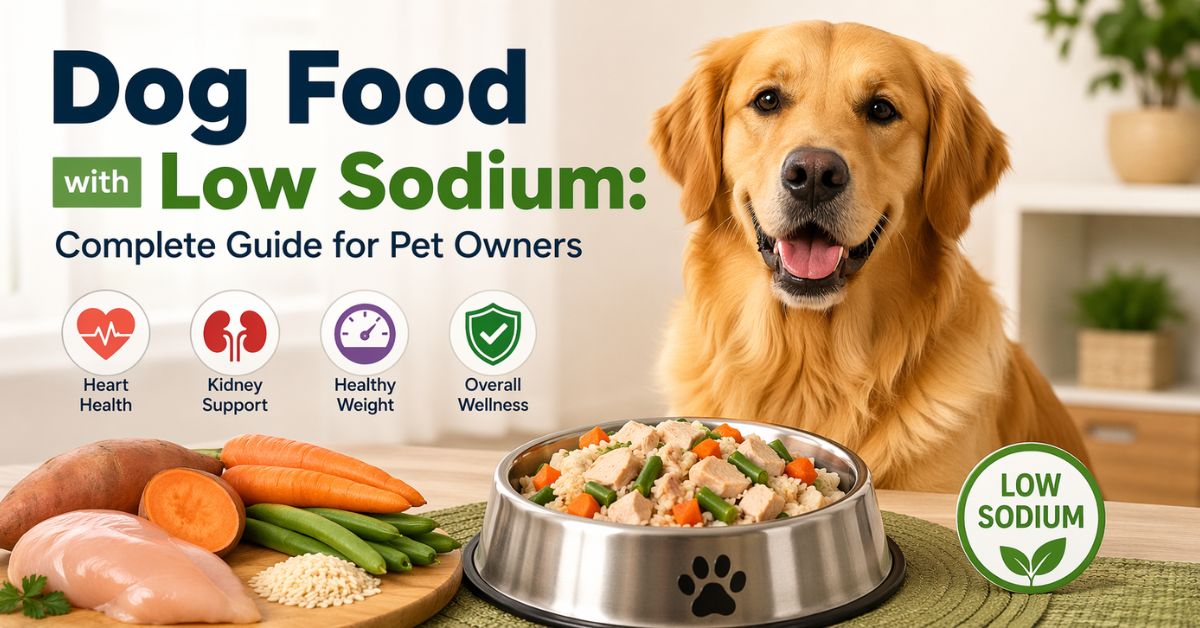
Introduction
Choosing the right dog food with low sodium is essential for your dog’s overall health, especially if your furry friend has heart, kidney, or blood pressure issues. While sodium is necessary in small amounts, too much can cause serious health problems.
In this guide, you’ll learn everything about low sodium dog food — why it matters, how to choose the best one, and practical tips to keep your dog healthy and active.
Why Sodium Matters in Dog Food
Sodium plays an important role in your dog’s body. It helps maintain fluid balance, nerve function, and muscle movement.
However, too much sodium can lead to problems like:
- High blood pressure
- Heart disease
- Kidney strain
- Dehydration
- Fluid retention
That’s why switching to low salt dog food can make a big difference for certain dogs.
Which Dogs Need Low Sodium Dog Food?
Not all dogs require a reduced sodium diet. But some dogs benefit greatly from it.
Dogs that need low sodium diets:
- Dogs with heart disease
- Senior dogs
- Dogs with kidney issues
- Overweight dogs
- Dogs with high blood pressure
If your dog falls into any of these categories, a heart healthy dog food option is highly recommended.
Benefits of Dog Food with Low Sodium
Feeding your dog a reduced sodium dog diet offers many benefits:
✔️ Supports Heart Health
Low sodium reduces stress on the heart and helps manage cardiovascular conditions.
✔️ Protects Kidneys
It lowers the burden on kidneys, especially in older dogs.
✔️ Prevents Water Retention
Less sodium means reduced swelling and bloating.
✔️ Improves Overall Wellness
Balanced nutrition leads to better energy and a healthier coat.
How to Choose the Best Dog Food with Low Sodium
Choosing the right food can feel overwhelming. Here’s what to look for:
1. Check the Sodium Content
Look for dog food labeled:
- “Low sodium”
- “Reduced sodium”
- “Kidney support” or “cardiac care”
2. Look for High-Quality Ingredients
Choose food with:
- Real meat (chicken, beef, fish)
- Vegetables and whole grains
- No artificial preservatives
3. Avoid High-Salt Ingredients
Stay away from:
- Processed meats
- Added salt
- Flavor enhancers
4. Read the Label Carefully
Always review the nutritional information before buying.
Sodium Levels in Dog Food (Quick Guide)
| Type of Dog Food | Sodium Level | Suitable For |
| Regular Dog Food | High | Healthy adult dogs |
| Reduced Sodium Dog Food | Moderate to Low | Senior or sensitive dogs |
| Prescription Low Sodium | Very Low | Heart/kidney disease dogs |
| Homemade Dog Food | Controlled | Custom diet (vet-approved) |
Homemade Low Sodium Dog Food Options
Homemade meals can be a great way to control sodium intake.
Safe low sodium ingredients:
- Boiled chicken (no salt)
- Brown rice
- Sweet potatoes
- Carrots
- Green beans
⚠️ Important Tip:
Always consult your vet before switching to homemade food to ensure balanced nutrition.
Foods to Avoid (High Sodium)
Some human foods are dangerous due to high salt content.
❌ Avoid feeding your dog:
- Chips and snacks
- Processed meats (sausages, bacon)
- Canned soups
- Fast food
- Cheese (in large amounts)
Tips for Switching to Low Sodium Dog Food
Switching food suddenly can upset your dog’s stomach. Follow these steps:
Gradual Transition:
- Day 1–3: 25% new food + 75% old food
- Day 4–6: 50% new food + 50% old food
- Day 7–10: 75% new food + 25% old food
This helps your dog adjust smoothly.
Conclusion
Choosing the right dog food with low sodium can significantly improve your dog’s health and quality of life. Whether your dog has medical needs or you simply want to prevent future issues, a low sodium diet is a smart choice.
Focus on high-quality ingredients, read labels carefully, and always consult your vet before making major dietary changes. A healthy diet means a happier, longer life for your furry friend.
Low sodium dog food typically contains significantly less salt than regular dog food, often formulated for medical needs.
Yes, but it’s usually unnecessary unless recommended by a vet.
Yes, senior dogs often benefit from reduced sodium diets.
Yes, but always consult a veterinarian to ensure proper nutrition.
Signs include heart issues, kidney disease, or vet recommendations.

Muhammad Ahad — Passionate writer sharing informative, engaging, and easy-to-read articles across different topics. Focused on delivering valuable content that helps readers learn, explore, and stay inspired every day.
1 thought on “Dog Food with Low Sodium: Complete Guide for Pet Owners”