
Introduction
Many dog owners love spoiling their dogs with food and treats. While this comes from good intentions, it often leads to unwanted weight gain. An overweight dog may look cute, but extra weight can slowly harm their health.
This is where weight control dog food becomes extremely important.
Weight management is not about making your dog hungry or unhappy. It is about choosing the right food that provides complete nutrition while reducing unnecessary calories.
In this detailed guide, you will learn:
- What weight control dog food really is
- Why it matters for your dog’s health
- Which ingredients support healthy weight loss
- How to feed it correctly
- Common mistakes dog owners make
Everything is explained in simple, clear language so you can confidently take better care of your dog.
What Is Weight Control Dog Food?
Weight control dog food is specially designed to help dogs lose excess weight or maintain a healthy body condition without missing essential nutrients.
Compared to regular dog food, it usually contains:
- Fewer calories per serving
- Reduced fat content
- Higher fiber levels
- Balanced protein for muscle support
The goal is to help your dog feel full while eating fewer calories, making weight loss safer and more comfortable.
How Weight Control Dog Food Works
Weight control dog food supports healthy weight by:
- Limiting calorie intake
- Supporting digestion
- Maintaining lean muscle mass
- Reducing hunger between meals
It is meant for gradual, steady weight loss rather than fast results.
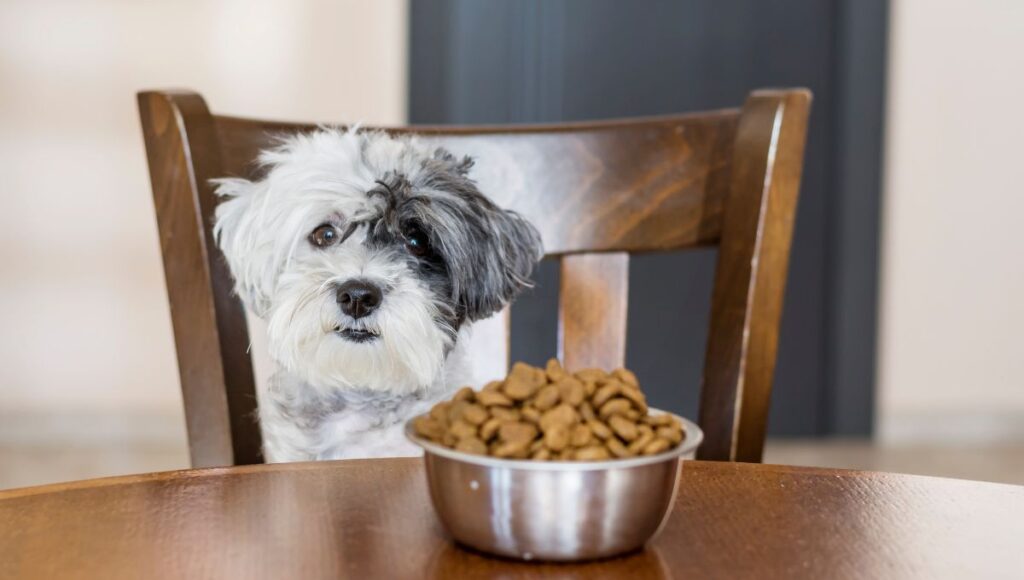
Dogs That Benefit from Weight Control Dog Food
This type of food is ideal for:
- Overweight or obese dogs
- Neutered or spayed dogs
- Senior dogs with slower metabolism
- Low-activity or indoor dogs
- Breeds prone to weight gain
If your dog fits any of these categories, switching to weight control dog food may significantly improve their quality of life.
Why Weight Control Dog Food Is Important
Extra body weight places stress on nearly every system in your dog’s body. Over time, this can lead to serious health issues.
Health Problems Linked to Dog Obesity
Overweight dogs are at higher risk of:
- Joint pain and arthritis
- Heart disease
- Diabetes
- Breathing difficulties
- Reduced stamina and mobility
- Shortened lifespan
Even a small reduction in weight can make daily movement easier and more comfortable for your dog.
Benefits of Feeding Weight Control Dog Food
When used correctly, weight control dog food can:
- Improve energy levels
- Reduce joint pressure
- Support heart and lung health
- Improve digestion
- Help dogs live longer, healthier lives
Weight management is not just about appearance. It is about long-term health and comfort.
How to Choose a Dog Food That Controls Weight
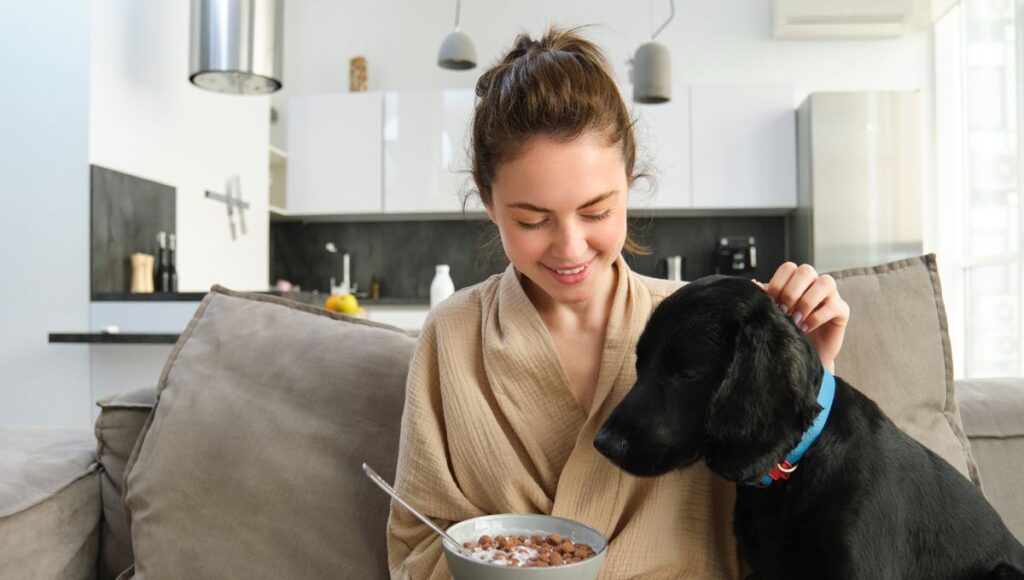
Not all dog foods labeled “diet” or “light” are high quality. Reading the ingredient list is essential.
High-Quality Protein
Protein helps preserve muscle while your dog loses fat.
Look for named protein sources such as:
- Chicken
- Turkey
- Fish
- Lamb
- Lean beef
Protein should always be one of the first ingredients.
Healthy Fiber Sources
Fiber helps dogs feel full and satisfied.
Common fiber ingredients include:
- Beet pulp
- Pumpkin
- Sweet potatoes
- Brown rice
- Oats
Higher fiber helps control hunger without adding many calories.
Reduced Fat Content
Weight control dog food should contain:
- Lower fat compared to regular food
- Clearly listed fat percentage
Avoid foods with excessive animal fats or added oils.
Added Vitamins and Joint Support
Weight loss should never compromise nutrition.
Look for added:
- Omega-3 and Omega-6 fatty acids
- Vitamin E
- Zinc
- Glucosamine and chondroitin
These support skin, coat, joints, and immune health.
Ingredients to Avoid in Weight Control Dog Food
Some ingredients can slow weight loss or harm overall health.
Avoid foods that contain:
- Artificial colors and flavors
- Corn syrup or added sugars
- Low-quality fillers
- Unnamed meat by-products
- Excessive carbohydrates
These ingredients add calories without providing real nutritional value.
How to Feed Weight Control Dog Food Properly
Choosing the right food is important, but feeding habits matter just as much.
Portion Control Is Essential
Always:
- Measure food using a measuring cup
- Follow feeding guidelines on the package
- Adjust portions based on activity level
Overfeeding, even diet food, can stop weight loss completely.
Gradual Food Transition
Always transition slowly over 7–10 days:
- The new food should be mixed with small amounts at first
- Increase gradually each day
This prevents digestive upset and helps your dog adjust smoothly.
Treat Management
Treats can quickly undo progress.
Better low-calorie options include:
- Carrot sticks
- Apple slices (no seeds)
- Green beans
- Special low-calorie dog treats
Treats should never exceed 10% of daily calorie intake.
Common Weight Loss Mistakes Dog Owners Make
Many owners unintentionally slow their dog’s progress.
Overfeeding “Light” Dog Food
Diet food still contains calories.
Serving too much can cancel out any benefit.
Ignoring Exercise
Food alone is not enough.
Daily physical activity is essential:
- Walks
- Playtime
- Training exercises
Even light daily activity improves results.
Expecting Fast Weight Loss
Healthy weight loss is slow and steady.
A safe target is:
- 1–2% body weight loss per week
Rapid weight loss can be dangerous.
Do’s and Don’ts of Weight Control Dog Food
Do’s
- Monitor your dog’s weight regularly
- Feed at consistent times
- Encourage daily movement
- Read labels carefully
- Consult your veterinarian
Don’ts
- Do not starve your dog
- Do not change food suddenly
- Do not overuse treats
- Do not ignore health symptoms
- Do not skip professional advice
When to Talk to a Veterinarian
Veterinary guidance is important, especially for overweight dogs.
Consult your vet if:
- Your dog is severely obese
- Weight loss is not working
- Your dog has existing health conditions
- You notice weakness or fatigue
A vet can:
- Check for hormonal issues
- Recommend daily calorie intake
- Create a safe, personalized plan
Conclusion
Helping your dog maintain a healthy weight is one of the most responsible decisions you can make as a pet owner.
Weight control dog food supports safe weight loss while providing complete nutrition. Combined with proper portions, daily activity, and veterinary guidance, it can greatly improve your dog’s health and happiness.
A healthy dog is a happier dog.
Start today, stay consistent, and give your dog the active, comfortable life they deserve.
For more trusted dog health and nutrition guides, keep visiting DoggoPulse.com
Yes, high-quality weight control dog food is balanced for long-term use.
Most dogs show improvement within 4–8 weeks with consistent feeding and exercise.
No, puppies need higher calories for growth unless advised by a vet.
Yes, it is often ideal due to slower metabolism and lower activity levels.
Yes, especially during transition or maintenance, but portion control is critical.

Muhammad Ahad — Passionate writer sharing informative, engaging, and easy-to-read articles across different topics. Focused on delivering valuable content that helps readers learn, explore, and stay inspired every day.