

Introduction
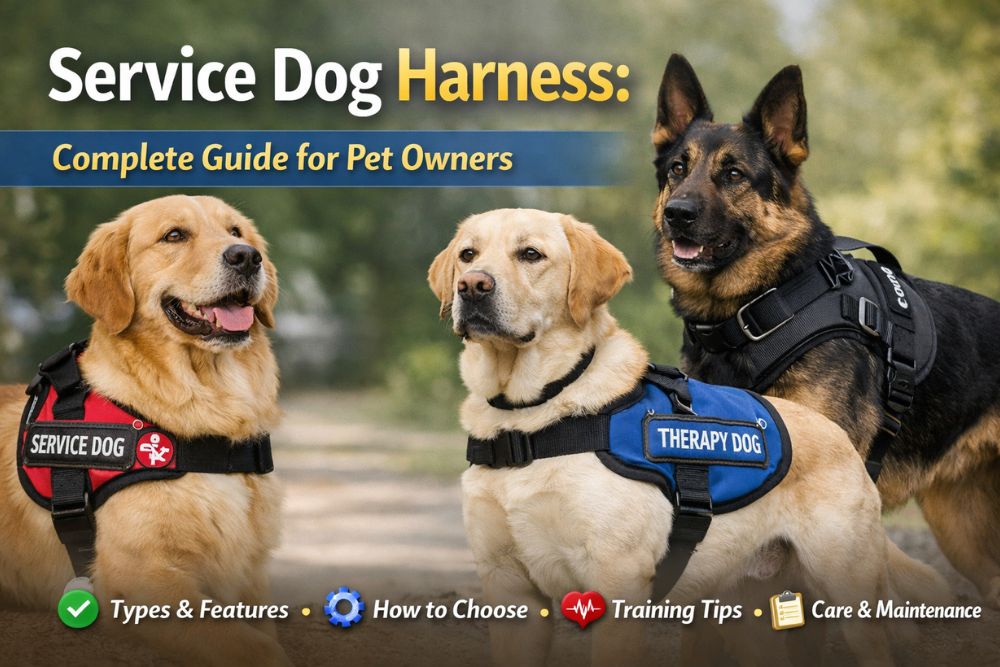
A service dog harness is more than just gear—it’s a tool that helps working dogs perform life-changing tasks. Whether your dog assists with mobility, emotional support, or medical alerts, the right harness ensures comfort, safety, and clear identification.
However, choosing the perfect harness can feel confusing. With so many options available, how do you pick the best one?
In this guide, you’ll learn everything you need to know—from types and features to expert tips—so you can make the right decision for your service dog.
What Is a Service Dog Harness?
A service dog harness is specially designed equipment that helps a trained dog assist its handler. Unlike regular harnesses, these are built for durability, control, and functionality.
They often include:
- Strong handles for support
- Identification patches
- Adjustable straps for comfort
- Reinforced materials for heavy use
Because service dogs perform important tasks, their gear must be reliable and comfortable for long hours.
Why Choosing the Right Harness Matters
Selecting the right harness is crucial. A poor-quality harness can cause discomfort or even injuries.
Here’s why it matters:
- ✅ Ensures your dog’s comfort during long working hours
- ✅ Provides better control and safety
- ✅ Helps the public identify your dog as a working animal
- ✅ Supports specific tasks like mobility assistance
In short, the right harness improves both performance and well-being.
Types of Service Dog Harnesses
Different service dogs require different harness styles. Let’s explore the most common types.
Mobility Support Harness
These harnesses are designed for dogs that assist with balance or walking.
Features:
- Rigid handles
- Strong structure
- Weight-bearing support
👉 Best for: People with physical disabilities
Psychiatric Service Dog Harness
Used for emotional and mental health support.
Features:
- Lightweight design
- Comfortable padding
- Easy identification patches
👉 Best for: Anxiety, PTSD, depression support
Medical Alert Harness
These harnesses are used by dogs trained to detect medical conditions.
Features:
- Simple and lightweight
- Easy to wear for long hours
- Often includes alert tags
👉 Best for: Diabetes, seizures
Therapy Dog Harness
Although not technically service dogs, therapy dogs also use specialized harnesses.
Features:
- Soft and comfortable
- Bright identification
- Less rigid structure
👉 Best for: Hospitals, schools, therapy visits
Key Features to Look For in a Service Dog Harness
Before buying, consider these essential features.
🧵 Material Quality
Choose durable materials like:
- Nylon
- Leather
- Reinforced polyester
These last longer and handle daily wear.
Comfort & Fit
A good harness should:
- Fit snugly but not tight
- Have padding to prevent rubbing
- Allow free movement
👉 Always measure your dog before buying.
Handle Design
Handles are critical for control.
- Soft handles = comfort
- Rigid handles = support and stability
Visibility & Identification
Look for:
- Reflective strips
- Clear “Service Dog” patches
This helps avoid confusion in public spaces.
Adjustability
Adjustable straps ensure:
- Better fit
- Room for growth
- Comfort during long use
Comparison Table: Types of Service Dog Harnesses
| Harness Type | Best For | Key Feature | Weight Support |
| Mobility Harness | Physical assistance | Rigid handle | High |
| Psychiatric Harness | Mental health support | Lightweight | Low |
| Medical Alert Harness | Health monitoring | Simple design | Medium |
| Therapy Harness | Emotional visits | Soft and comfortable | Low |
How to Choose the Best Service Dog Harness
Choosing the right harness depends on your dog’s role and size.
Step-by-Step Guide
1. Identify Your Dog’s Task
Different tasks require different harnesses.
2. Measure Your Dog
Measure:
- Chest
- Neck
- Back length
This ensures a perfect fit.
3. Consider Your Dog’s Comfort
If your dog wears it all day, comfort is essential.
👉 Look for padded and breathable materials.
4. Check Durability
Service dogs work daily, so durability is key.
👉 Avoid cheap or weak materials.
5. Test Before Long Use
Always try the harness at home first to check:
- Fit
- Movement
- Comfort
Common Mistakes to Avoid
Many dog owners make simple mistakes when buying a harness.
❌ Choosing style over function
❌ Buying the wrong size
❌ Ignoring padding and comfort
❌ Not checking handle strength
👉 Avoid these mistakes to ensure your dog’s safety.
How to Maintain a Service Dog Harness
Proper care extends the life of your harness.
Cleaning Tips:
- Wash regularly with mild soap
- Air dry (avoid dryers)
- Check for wear and tear
Maintenance:
- Inspect straps weekly
- Replace damaged parts
- Ensure buckles are secure
Training Your Dog to Use a Harness
Even trained dogs may need time to adjust.
Tips:
- Introduce slowly
- Use treats and positive reinforcement
- Keep initial sessions short
Over time, your dog will feel comfortable wearing it.
Conclusion
A service dog harness plays a vital role in your dog’s performance and comfort. Choosing the right one ensures safety, improves efficiency, and supports your dog’s well-being.
Take time to evaluate your needs, understand your dog’s role, and invest in a high-quality harness. In the long run, it will make a big difference for both you and your service dog.
A service dog harness is stronger, more functional, and designed for specific tasks like mobility or medical alerts.
Yes, but only trained service dogs should use them for official work purposes.
It should be snug but not restrictive. You should be able to fit two fingers under the straps.
While not always legally required, patches help inform the public that your dog is working.
Dogs can wear it for several hours, but breaks are important to prevent discomfort.

Muhammad Ahad — Passionate writer sharing informative, engaging, and easy-to-read articles across different topics. Focused on delivering valuable content that helps readers learn, explore, and stay inspired every day.
ysvxjigopfwxmsprvfxqkhjmtpdhzq