

Introduction
Training your dog to use an indoor potty for dogs can make life much easier—especially if you live in an apartment, have a busy schedule, or deal with extreme weather. Many dog owners struggle with regular outdoor potty routines, but the good news is that indoor solutions are practical, hygienic, and easy to train with the right approach.
In this guide, you’ll learn everything you need to know from choosing the right indoor potty system to training your dog step by step. Whether you have a puppy or an older dog, this guide will help you build a clean and stress-free routine.
What Is an dog indoor toilet for Dogs?
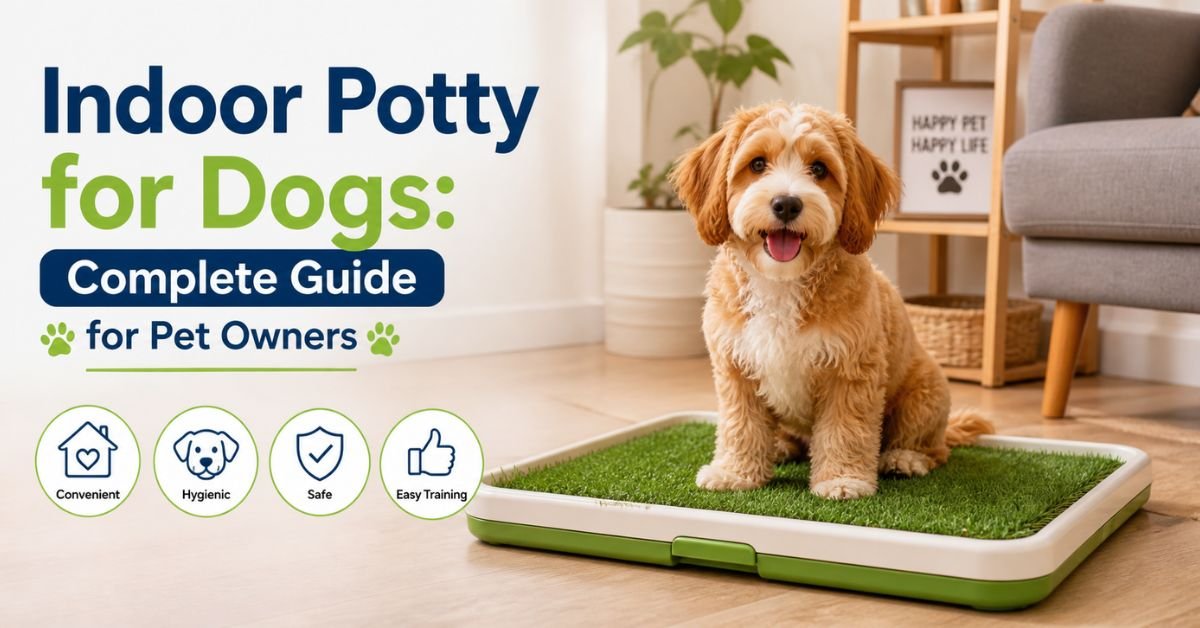
An indoor potty for dogs is a designated area inside your home where your dog can relieve itself. These systems are designed to mimic outdoor conditions while keeping your home clean.
Common types include:
- Pee pads
- Artificial grass systems
- Dog litter boxes
- Potty trays with drainage
Each option has its benefits depending on your dog’s size, age, and habits.
Why Use an Indoor Potty for Dogs?
Convenience for Busy Owners
If you work long hours or cannot take your dog outside frequently, an indoor solution helps maintain consistency.
Ideal for Apartment Living
Living in a high-rise building makes outdoor potty breaks harder. Indoor systems solve this problem effectively.
Helpful for Puppies and Senior Dogs
Young puppies need frequent potty breaks, while older dogs may have mobility issues. Indoor setups make things easier for both.
Weather Protection
Rain, snow, or extreme heat can make outdoor potty trips uncomfortable. Indoor options keep your dog safe and comfortable.
Types of Indoor Potty Systems
1. Pee Pads
Disposable or washable pads are one of the simplest options. They absorb urine and are easy to replace.
2. Artificial Grass Potty
These mimic real grass and are great for dogs transitioning from outdoor training.
3. Dog Litter Box
Similar to a cat litter box but designed for dogs. Usually filled with absorbent pellets.
4. Potty Trays with Grates
These systems keep your dog’s paws dry while collecting waste underneath.
How to Choose the Best dog indoor toilet
When selecting an indoor dog bathroom, consider the following:
- Dog Size: Larger dogs need bigger trays
- Ease of Cleaning: Choose washable or easy-drain systems
- Odor Control: Look for absorbent materials
- Durability: Long-lasting materials save money
- Space Available: Compact designs are ideal for small homes
Indoor Potty for Dogs Training Guide
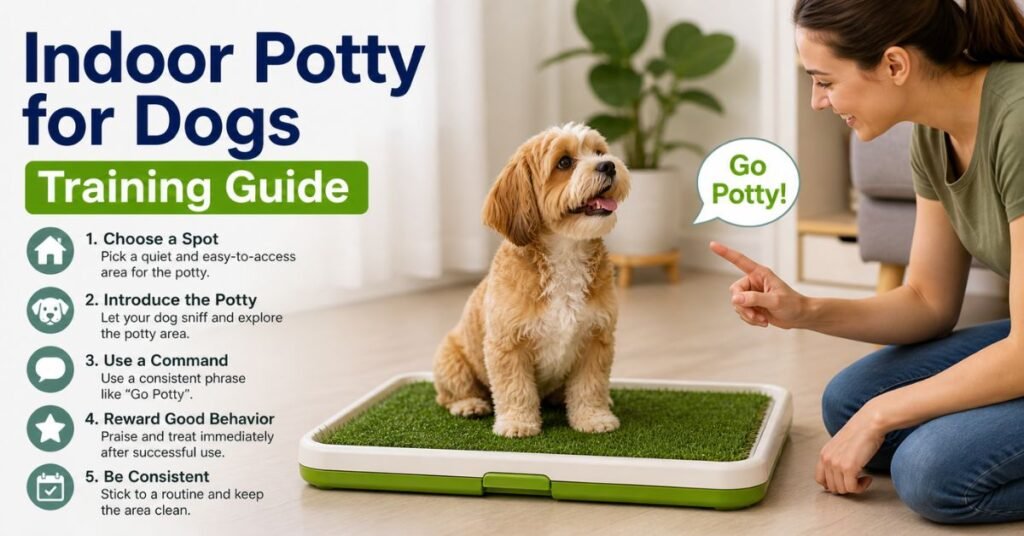
Step 1: Choose a Fixed Spot
Pick a quiet and accessible area in your home. Dogs prefer consistency, so avoid changing locations frequently.
Step 2: Introduce the Potty
Let your dog explore the indoor potty system. Encourage them with treats and positive reinforcement.
Step 3: Follow a Schedule
Take your dog to the potty:
- After meals
- After waking up
- Before bedtime
Step 4: Use Commands
Use simple phrases like “go potty” to build association.
Step 5: Reward Good Behavior
Always reward your dog immediately after successful use. This builds strong habits.
Step 6: Clean Accidents Properly
Use odor-neutralizing cleaners to prevent repeat accidents in the wrong places.
Common Mistakes to Avoid
- Changing potty location too often
- Punishing your dog for accidents
- Not cleaning regularly
- Skipping a routine schedule
- Using low-quality potty systems
Avoiding these mistakes will speed up the training process.
Indoor Potty vs Outdoor Potty
| Feature | Indoor Potty for Dogs | Outdoor Potty |
| Convenience | High | Moderate |
| Weather Dependence | None | High |
| Training Difficulty | Easy to Moderate | Moderate |
| Cleanliness Control | High | Low |
| Space Requirement | Indoor space needed | Outdoor access |
Best Tips for Success
- Keep the potty area clean at all times
- Use consistent commands
- Be patient and consistent
- Gradually reduce accidents with training
- Choose the right system for your dog
Consistency is the key to success when using a dog potty tray or indoor toilet.
Conclusion
Using an indoor potty for dogs is a smart and practical solution for modern pet owners. It offers convenience, flexibility, and comfort for both you and your dog. With the right system and proper training, you can maintain a clean home while ensuring your dog stays happy and healthy.
Start with the right setup, stay consistent, and reward good behavior your dog will quickly adapt to their new indoor routine.
Yes, most dogs can be trained to use an indoor potty system, especially with consistent training.
Not necessarily. In fact, it can be easier because you have more control over the environment.
Clean the potty regularly and use odor-neutralizing sprays or absorbent materials.
Yes, adult dogs can learn new habits with patience and positive reinforcement.
Artificial grass systems are more durable and realistic, while pee pads are more affordable and convenient.

Muhammad Ahad — Passionate writer sharing informative, engaging, and easy-to-read articles across different topics. Focused on delivering valuable content that helps readers learn, explore, and stay inspired every day.
1 thought on “Indoor Potty for Dogs: Complete Guide for Pet Owners”