


Introduction
Dogs are one of the most beloved animals in the world. They are loyal, intelligent, and wonderful companions. However, not all dogs are the same. There are many dog types, and each one has its own personality, behavior, and care needs.
Understanding different types of dogs is important before choosing a pet. Some dogs are active and energetic, while others are calm and relaxed. Some need lots of grooming, while others are easy to maintain.
In this complete guide, we will explore the main dog breed groups, their characteristics, and tips to help you choose the right dog for your lifestyle.
Whether you are a first-time dog owner or an experienced pet lover, this guide will help you understand the fascinating world of dog breeds.
Major Dog Types and Breed Groups
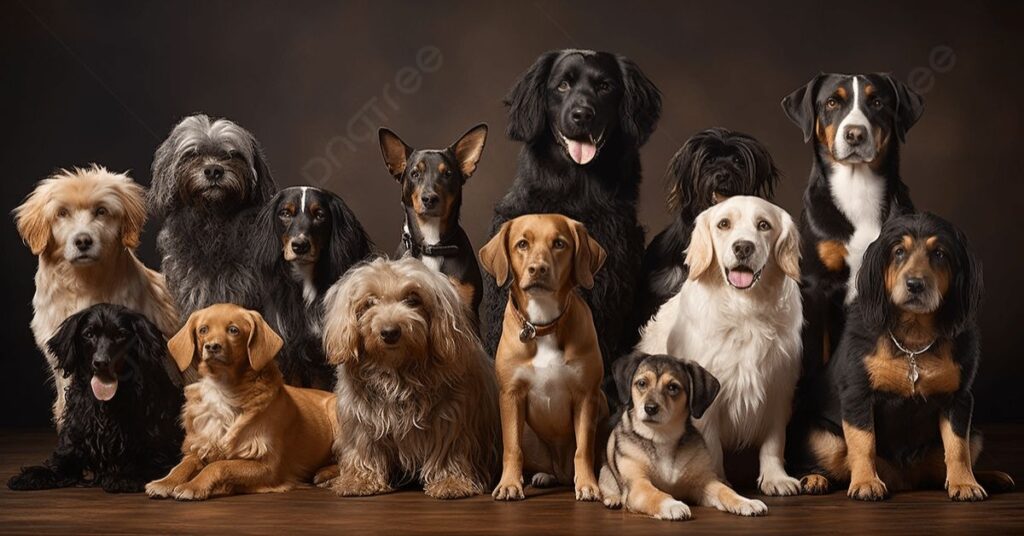
Dog experts usually classify dogs into breed groups based on their original purpose and traits. These groups help owners understand what a dog naturally enjoys doing.
Below are the most common dog types based on breed groups.
Sporting Dogs
Sporting dogs were originally bred to help hunters find and retrieve game birds. These dogs are known for their intelligence, energy, and friendly nature.
Common Sporting Dog Breeds
Some popular sporting dogs include:
- Labrador Retriever
- Golden Retriever
- Cocker Spaniel
- English Springer Spaniel
- Irish Setter
Key Characteristics
Sporting dogs typically have:
- High energy levels
- Friendly and social personalities
- Strong retrieving instincts
- Excellent trainability
They are great for active families who enjoy outdoor activities such as hiking, running, and playing fetch.
Care Tips
- Provide daily exercise
- Use positive training methods
- Give mental stimulation with games and toys
Without enough activity, sporting dogs may become bored and destructive.
Working Dogs
Working dogs are powerful, intelligent, and highly trainable. They were bred to perform important jobs such as guarding property, pulling sleds, and helping humans with difficult tasks.
Popular Working Dog Breeds
Examples include:
- Siberian Husky
- Boxer
- Doberman Pinscher
- Rottweiler
- Great Dane
Personality Traits
Working dogs usually have:
- Strong protective instincts
- High intelligence
- Loyalty to their owners
- Strong physical strength
These dogs can be wonderful companions but require proper training and leadership.
Important Training Advice
Working dogs need:
- Early socialization
- Consistent training
- Clear boundaries
Without proper training, their strength and protective nature may become difficult to manage.
Herding Dogs
Herding dogs were originally bred to control and move livestock such as sheep and cattle. These dogs are extremely intelligent and highly energetic.
Common Herding Dog Breeds
Some well-known herding breeds include:
- Border Collie
- Australian Shepherd
- German Shepherd
- Shetland Sheepdog
- Belgian Malinois
Unique Abilities
Herding dogs are known for:
- Exceptional intelligence
- Strong work ethic
- High energy levels
- Problem-solving abilities
Many herding dogs are used today as police dogs, service dogs, and search-and-rescue dogs.
Exercise Requirements
These dogs require:
- Plenty of daily exercise
- Advanced training
- Mental challenges such as puzzles and agility training
Without stimulation, herding dogs may develop unwanted behaviors like excessive barking or chewing.
Toy Dogs
Toy dogs are small companion breeds that were developed mainly for companionship. These dogs are perfect for people living in apartments or smaller homes.
Popular Toy Dog Breeds
Common toy breeds include:
- Chihuahua
- Pomeranian
- Shih Tzu
- Yorkshire Terrier
- Maltese
Key Features
Toy dogs typically have:
- Small body size
- Loving personalities
- Strong attachment to owners
- Lower exercise needs
Despite their small size, many toy dogs are brave and confident.
Care Considerations
Because of their small size:
- Handle them gently
- Protect them from larger animals
- Monitor their health carefully
Small dogs may also be more sensitive to cold weather.
Hound Dogs
Hounds were originally bred for hunting. They are excellent trackers and have powerful senses of smell or sight.
Two Types of Hounds
Hounds are usually divided into two categories:
Scent Hounds
- Beagle
- Bloodhound
- Basset Hound
Sight Hounds
- Greyhound
- Whippet
- Afghan Hound
Special Traits
Hounds are known for:
- Excellent tracking abilities
- Strong instincts
- Independent personalities
- Unique vocalizations (howling)
Training a hound requires patience and consistency because they tend to follow their noses.
Terrier Dogs
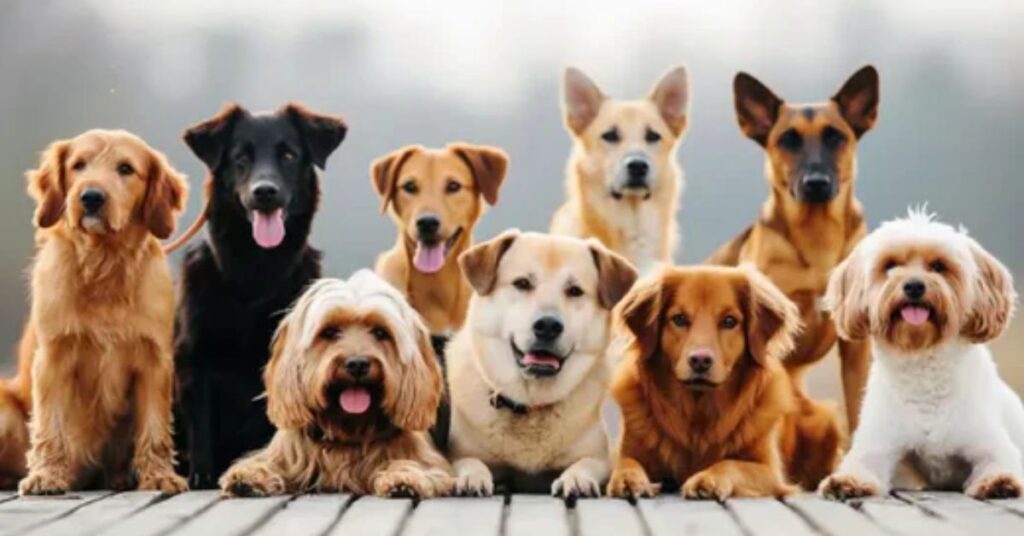
Terriers were originally bred to hunt small animals such as rats and foxes. These dogs are energetic, bold, and full of personality.
Common Terrier Breeds
Examples include:
- Jack Russell Terrier
- Bull Terrier
- Scottish Terrier
- Airedale Terrier
- West Highland White Terrier
Terrier Personality
Terriers are typically:
- Brave
- Energetic
- Curious
- Sometimes stubborn
Because of their hunting instincts, they may chase small animals.
Training Tips
- Start training early
- Use firm but positive guidance
- Provide plenty of exercise
Terriers thrive in homes where they receive lots of attention and activities.
How to Choose the Right Dog Type
Choosing the right dog is an important decision. Different dog types suit different lifestyles.
Before adopting a dog, consider the following factors.
1. Your Living Space
Ask yourself:
- Do you live in an apartment or a large house?
- Do you have a yard?
Large active dogs may struggle in small spaces.
2. Activity Level
Some dogs need hours of exercise daily.
Active owners may enjoy breeds such as:
- Border Collies
- Labradors
- Huskies
Less active owners may prefer calmer breeds.
3. Grooming Needs
Some dogs require frequent grooming.
High grooming breeds include:
- Poodles
- Shih Tzus
- Afghan Hounds
Short-haired breeds are easier to maintain.
4. Family Compatibility
If you have children, choose breeds known for their gentle nature.
Examples include:
- Golden Retrievers
- Labrador Retrievers
- Beagles
Always supervise children when interacting with dogs.
Common Mistakes When Choosing a Dog
Many new dog owners make decisions based only on appearance. This can lead to problems later.
Here are some common mistakes to avoid.
Choosing Based Only on Looks
A cute dog may not match your lifestyle.
Always research the breed’s behavior and energy level.
Ignoring Training Needs
All dogs require training and socialization.
Without training, dogs may develop behavioral problems.
Underestimating Exercise Requirements
Some breeds need intense daily activity.
Lack of exercise may cause:
- Destructive chewing
- Excessive barking
- Anxiety
Essential Safety Tips for Dog Owners
Responsible dog ownership is essential for your pet’s health and happiness.
Important Safety Guidelines
- Schedule regular veterinary checkups
- Keep vaccinations up to date
- Provide balanced nutrition
- Ensure dogs have clean drinking water
- Keep toxic foods away from dogs
Foods That Are Dangerous for Dogs
Never feed dogs:
- Chocolate
- Grapes
- Onions
- Garlic
- Xylitol sweeteners
If your dog shows signs of illness, always consult a qualified veterinarian.
Conclusion
Understanding different dog types is the first step toward becoming a responsible dog owner. Each breed group has unique characteristics, behaviors, and care needs.
Whether you prefer a playful sporting dog, a loyal working dog, or a small toy companion, choosing the right dog should always match your lifestyle and experience level.
Before bringing a dog home, take time to research the breed, prepare your living space, and commit to proper training and care.
Dogs depend on their owners for love, safety, and guidance. With the right knowledge and preparation, you can build a lifelong bond with your furry companion.
Responsible dog ownership leads to happier dogs and happier families.
The main dog types are usually classified into groups such as sporting dogs, working dogs, herding dogs, toy dogs, hounds, and terriers.
These groups are based on the tasks dogs were originally bred to perform.
There are over 300 recognized dog breeds worldwide, although the exact number varies depending on kennel clubs and organizations.
Friendly and easy-to-train breeds such as Labrador Retrievers, Golden Retrievers, and Cavalier King Charles Spaniels are often recommended for beginners.
Not always. While small dogs require less space, some can be very energetic and demanding.
Care needs depend more on the breed’s personality than its size.
Lifestyle
Living space
Activity level
Experience with dogs
Research breeds carefully and consult shelters or veterinarians before adopting.

Muhammad Ahad — SEO Specialist helping websites grow with smart, clean, and result-driven strategies. I improve search rankings, boost organic traffic, and turn content into real authority. I believe true SEO is built on data, trust, and consistency.
1 thought on “Dog Types: A Complete Guide to Dog Breeds”