

Introduction
Choosing the right dog food for urinary health is one of the most important decisions you can make for your pet. Urinary issues in dogs are more common than many owners realize, and diet plays a major role in preventing and managing these problems.
If your dog has ever struggled with urinary tract infections (UTIs), bladder stones, or kidney concerns, the right nutrition can make a huge difference. In this guide, you’ll learn everything you need to know—from ingredients to avoid to the best feeding practices.
Let’s make sure your furry friend stays healthy, happy, and comfortable.
Why Urinary Health Matters in Dogs
Your dog’s urinary system includes the kidneys, bladder, and urinary tract. These organs help remove toxins and maintain fluid balance.
However, poor diet or hydration can lead to:
- Urinary tract infections (UTIs)
- Bladder stones
- Kidney problems
- Painful urination
That’s why feeding proper urinary care dog food is essential, especially for dogs prone to these conditions.
Signs Your Dog May Have Urinary Problems
Before switching to a dog food for bladder health, it’s important to recognize symptoms early.
Common Warning Signs:
- Frequent urination
- Blood in urine
- Straining or pain while urinating
- Accidents inside the house
- Strong-smelling urine
If you notice any of these signs, consult your vet immediately. Early treatment prevents serious complications.
What Makes Dog Food Good for Urinary Health
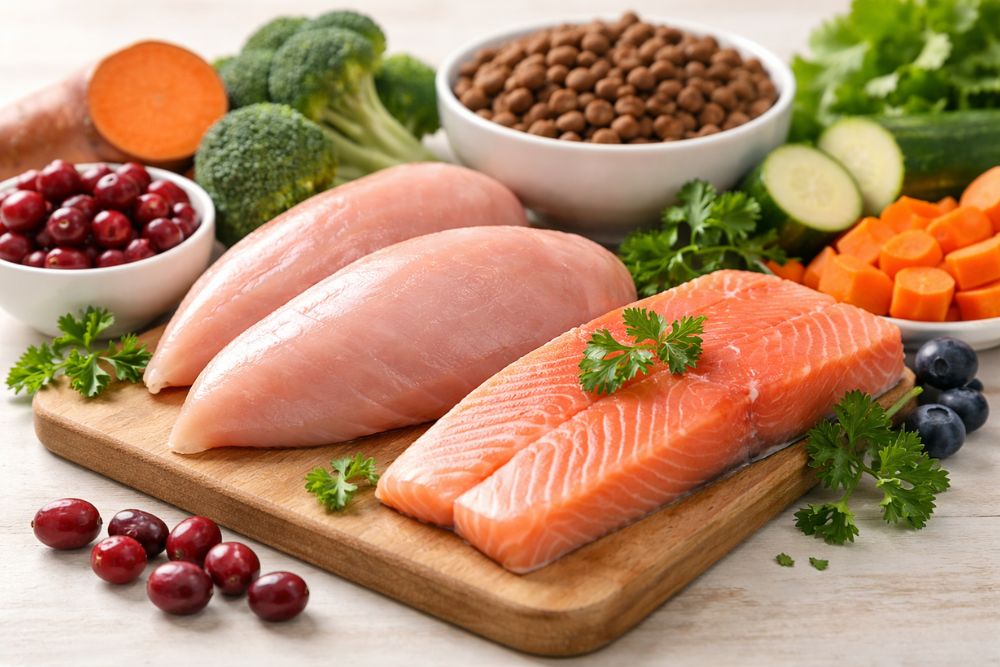
Not all dog foods are created equal. The best dog food for urinary health focuses on balanced minerals and hydration support.
Key Features to Look For:
1. Controlled Mineral Levels
Too much magnesium, phosphorus, and calcium can cause stone formation.
2. High Moisture Content
Wet food or moisture-rich diets help dilute urine and flush toxins.
3. Balanced pH Levels
Food that maintains proper urine pH helps prevent crystal formation.
4. High-Quality Protein
Lean protein supports kidney function without overloading the system.
5. Added Nutrients
Look for:
- Omega-3 fatty acids
- Antioxidants
- Cranberry extract (supports urinary tract)
Best Ingredients in Urinary Tract Dog Diet
When choosing a urinary tract dog diet, focus on these beneficial ingredients:
Healthy Ingredients:
- Chicken or turkey (lean protein)
- Fish (rich in omega-3s)
- Pumpkin (supports digestion)
- Sweet potatoes
- Cranberries (natural urinary support)
Ingredients to Avoid:
- Excess salt
- Artificial preservatives
- Low-quality fillers (corn, soy)
- By-products
A clean ingredient list means better health for your dog.
Dry vs Wet Dog Food for Urinary Health
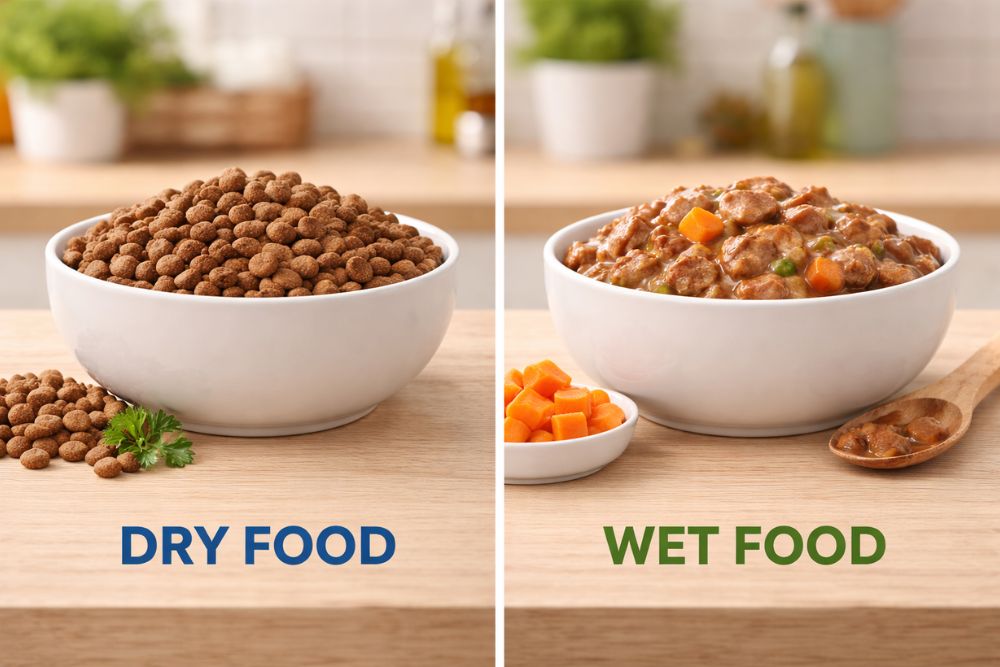
Many owners ask whether dry or wet food is better.
Dry Food (Kibble):
Pros:
- Convenient
- Affordable
- Long shelf life
Cons:
- Low moisture content
- May not support hydration
Wet Food:
Pros:
- High water content
- Helps flush urinary system
- Easier to digest
Cons:
- More expensive
- Shorter shelf life after opening
👉 Tip: A mix of both often works best for balanced nutrition.
Comparison Table: Choosing the Right Dog Food
| Feature | Ideal Choice | Why It Matters |
| Protein Source | Lean meats (chicken, fish) | Supports kidney function |
| Moisture Content | High (wet food or mixed diet) | Prevents dehydration |
| Mineral Levels | Controlled magnesium & calcium | Reduces stone risk |
| Additives | Natural (cranberry, omega-3) | Improves urinary health |
| Artificial Ingredients | None | Avoids irritation and toxins |
How Diet Prevents Urinary Issues
Feeding the right kidney support dog food can actively prevent problems.
Here’s How It Helps:
- Dilutes urine → reduces crystal formation
- Balances pH → prevents infections
- Supports kidneys → improves toxin removal
- Boosts immunity → fights infections
Consistency is key. Switching food frequently can upset your dog’s system.
Best Feeding Tips for Urinary Health
Even the best dog food for UTI prevention won’t work without proper habits.
Simple Tips to Follow:
- Always provide fresh, clean water
- Feed at regular times
- Avoid table scraps
- Monitor urine habits
- Keep your dog active
Hydration is just as important as food.
Homemade vs Commercial Urinary Dog Food
Some owners prefer homemade meals. While they can be healthy, they require balance.
Homemade Food:
Pros:
- Full control over ingredients
- Fresh and natural
Cons:
- Risk of nutrient imbalance
- Requires vet guidance
Commercial Food:
Pros:
- Balanced nutrition
- Vet-approved formulas
Cons:
- Quality varies by brand
👉 If unsure, stick to high-quality commercial low mineral dog food recommended by vets.
When to Switch to Urinary Health Dog Food
You should consider switching if:
- Your dog has frequent UTIs
- Your vet recommends it
- Your dog has bladder stones
- You notice early urinary symptoms
Always transition slowly over 7–10 days to avoid stomach upset.
Conclusion
Choosing the right dog food for urinary health is essential for your dog’s overall well-being. From preventing infections to supporting kidney function, diet plays a powerful role.
Focus on high-quality ingredients, proper hydration, and balanced nutrition. Whether you choose wet food, dry food, or a mix, consistency is key.
Most importantly, pay attention to your dog’s behavior and consult your vet when needed. A small change in diet today can prevent serious health problems tomorrow.
The best dog food includes controlled minerals, high moisture, and quality protein to support urinary function.
Yes, the right diet helps maintain proper pH levels and reduces the risk of infections.
Wet food is often better because it increases hydration, which helps flush the urinary system.
Dogs should drink about 50–60 ml of water per kg of body weight daily.
Yes, cranberries can support urinary tract health when given in safe amounts.

Muhammad Ahad — SEO Specialist helping websites grow with smart, clean, and result-driven strategies. I improve search rankings, boost organic traffic, and turn content into real authority. I believe true SEO is built on data, trust, and consistency.