

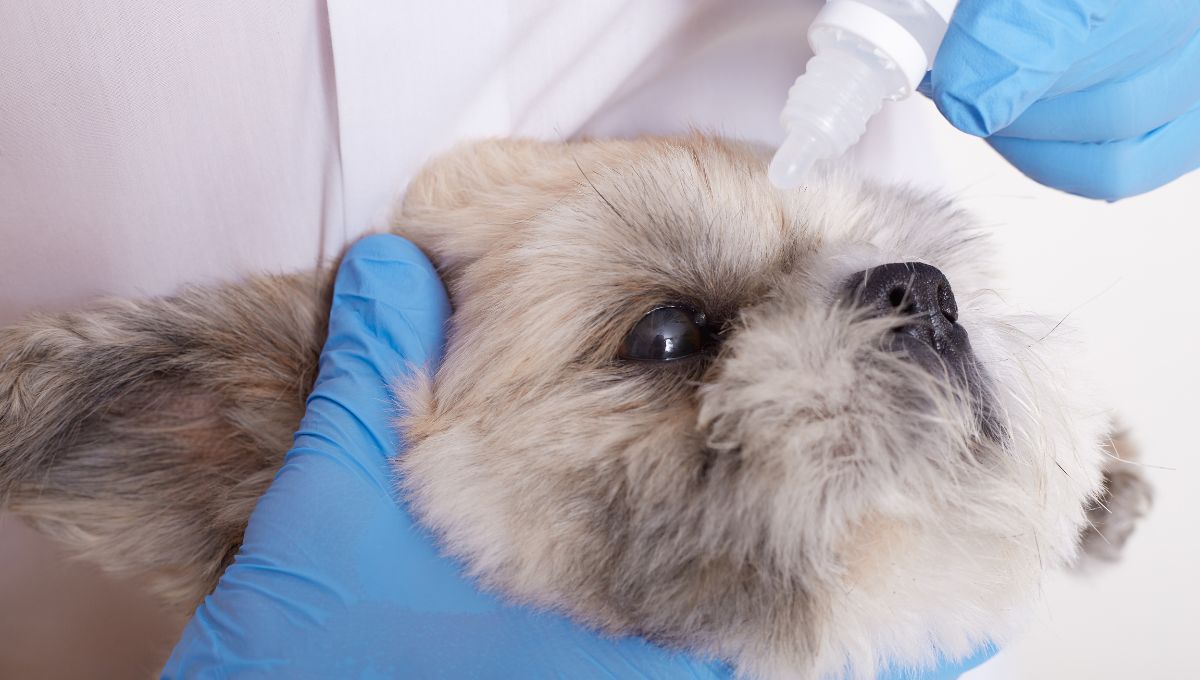
Introduction
Your dog’s eyes do much more than help them see.
They express emotions, read your body language, and explore the world with confidence.
Sadly, dog eye health issues are more common than most owners realize.
From mild irritation to serious vision loss, eye problems can affect dogs of all ages and breeds.
The tricky part?
Dogs cannot tell you when their eyes hurt.
That is why early awareness, proper care, and quick action are essential.
In this complete guide, you will learn:
- The most common dog eye health issues
- Early warning signs most owners miss
- Causes, treatments, and prevention tips
- When a vet visit is absolutely necessary
If you want to protect your dog’s vision and comfort, this guide is for you.
Common Dog Eye Health Issues You Should Know
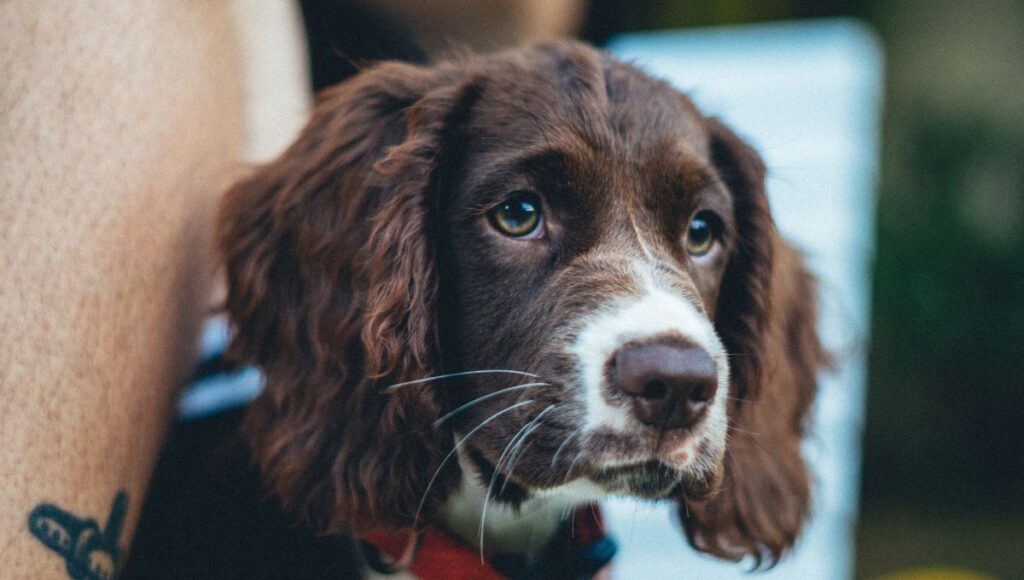
Dog eye problems range from mild to serious.
Some clear up quickly, while others can lead to permanent damage if ignored.
Below are the most common dog eye health issues every owner should recognize.
Conjunctivitis (Pink Eye)
Conjunctivitis is one of the most common dog eye problems.
It happens when the tissue around the eye becomes inflamed.
Common signs include:
- Red or swollen eyes
- Yellow, green, or watery discharge
- Excessive blinking
- Pawing at the eyes
Possible causes:
- Allergies
- Bacterial or viral infections
- Dust, smoke, or chemicals
- Foreign objects
Mild cases may resolve quickly, but bacterial infections need vet-prescribed medication.
Dry Eye (Keratoconjunctivitis Sicca)
A dog with dry eye produces insufficient tears in the eyes.
Tears are essential for eye lubrication and protection.
Symptoms to watch for:
- Thick, sticky eye discharge
- Dull or cloudy eyes
- Frequent blinking
- Eye redness
If untreated, dry eye can cause painful ulcers and vision loss.
This condition often requires lifelong management.
Corneal Ulcers
A corneal ulcer is a scratch or wound on the eye’s surface.
It is painful and potentially dangerous.
Common symptoms include:
- Squinting or closing one eye
- Excessive tearing
- Sensitivity to light
- Cloudy or blue-looking eye
Causes include trauma, infections, or untreated dry eye.
Corneal ulcers always require veterinary care.
Cataracts
Cataracts cause cloudiness in the eye lens and affect vision.
They can develop slowly or appear suddenly.
Typical signs:
- Bluish or white eye appearance
- Difficulty navigating familiar spaces
- Bumping into objects
Cataracts are common in:
- Senior dogs
- Diabetic dogs
- Certain breeds
Surgery may restore vision in severe cases.
Glaucoma
Glaucoma occurs when pressure builds up inside the eye.
This is a medical emergency.
Warning signs include:
- Red, painful eyes
- Bulging eye
- Sudden vision loss
- Lethargy or irritability
Without quick treatment, glaucoma can lead to permanent blindness.
Cherry Eye
Cherry eye happens when the tear gland slips out of place.
Eyeballs are surrounded by a red mass.
While not always painful, it can cause irritation and infection.
Surgery is often recommended to prevent future problems.
Causes of Dog Eye Health Issues
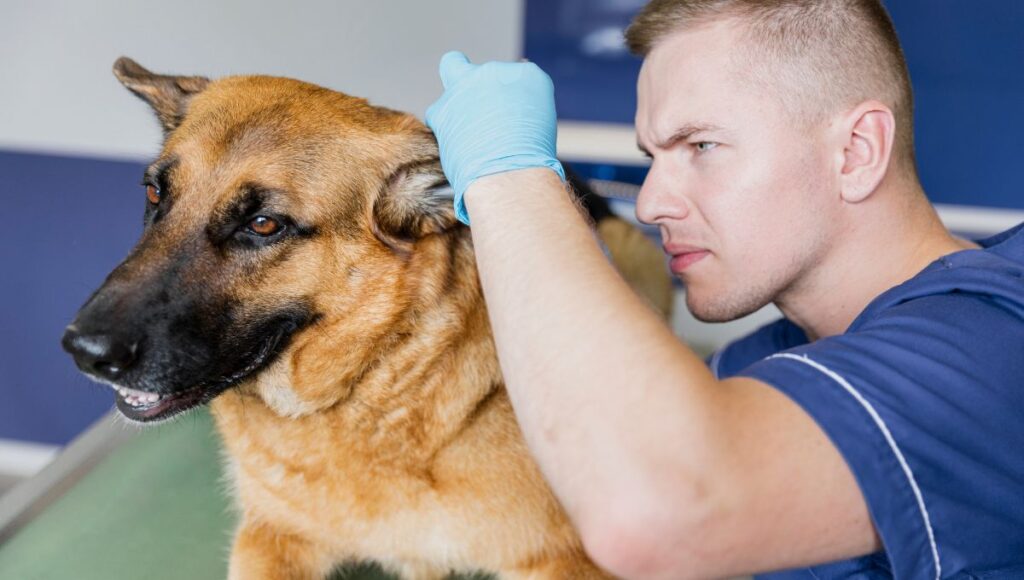
Understanding the root causes helps prevent future problems.
Breed Genetics
Some breeds are more prone to eye issues.
High-risk breeds include:
- Bulldogs
- Pugs
- Cocker Spaniels
- Shih Tzus
- German Shepherds
Flat-faced dogs are especially vulnerable due to exposed eyes.
Environmental Factors
Everyday surroundings can trigger dog eye problems.
Common irritants include:
- Dust and pollen
- Smoke and air pollution
- Strong cleaning chemicals
- Wind and debris
Outdoor dogs face higher exposure risks.
Poor Hygiene and Grooming
It is possible for dirt and bacteria to accumulate around the eyes due to the hair.
Long-haired breeds need regular trimming to prevent irritation.
Infections and Injuries
Dog fights, rough play, or foreign objects can damage the eyes.
Even small scratches can become serious without treatment.
Aging and Chronic Illness
Senior dogs experience natural eye changes.
Conditions like diabetes can also trigger eye diseases.
Signs Your Dog May Have an Eye Problem
Early detection makes a huge difference.
Watch for these warning signs:
- Red or swollen eyes
- Discharge or crust buildup
- Squinting or blinking excessively
- Cloudy or dull-looking eyes
- Rubbing face on furniture
- Sensitivity to light
- Sudden behavior changes
A veterinarian should be consulted if symptoms last more than 24 hours.
How Dog Eye Health Issues Are Diagnosed
Veterinarians use several methods to diagnose eye problems.
These may include:
- Visual examination
- Tear production tests
- Eye pressure measurement
- Fluorescent dye tests
- Culture tests for infections
Never attempt diagnosis at home.
Treatment Options for Dog Eye Health Issues
Treatment depends on the cause and severity.
Medications
Common prescriptions include:
- Antibiotic eye drops
- Anti-inflammatory ointments
- Lubricating artificial tears
- Pain-relief medications
Always follow dosage instructions strictly.
Surgery
Surgery may be required for:
- Cherry eye
- Cataracts
- Severe ulcers
- Advanced glaucoma
Early treatment improves success rates.
At-Home Support Care
With vet approval, supportive care may include:
- Gentle eye cleaning
- Protective cones
- Limiting outdoor exposure
Never use human eye drops on dogs.
Daily Dog Eye Care Tips
Preventive care goes a long way.
Do This
- Check eyes daily
- Clean discharge with vet-approved wipes
- Trim hair around eyes
- Keep bedding clean
- Schedule regular vet checkups
Avoid This
- Using human eye medication
- Ignoring mild redness
- Letting dogs rub eyes excessively
- Skipping follow-up visits
Common Mistakes Dog Owners Make
Many eye problems worsen due to small mistakes.
Avoid these errors:
- Waiting too long before seeing a vet
- Self-medicating without guidance
- Assuming redness is “normal”
- Stopping treatment early
Eye issues rarely fix themselves.
When to See a Vet Immediately
Seek urgent care if your dog shows:
- Sudden vision loss
- Severe pain or swelling
- Eye injury or bleeding
- Bulging or cloudy eye
- Signs of glaucoma
Delaying treatment can lead to blindness.
Conclusion
Your dog’s eyes deserve the same care as the rest of their body.
Dog eye health issues can start small but become serious fast.
Early detection, daily care, and timely vet visits are the best protection.
Make eye checks part of your routine.
Never ignore changes, even if they seem minor.
Healthy eyes mean a happier, more confident dog.
At DoggoPulse.com, we believe responsible dog care starts with knowledge.
Stay alert, stay informed, and always put your dog’s health first.
Yes, dog eye problems are very common, especially in certain breeds and older dogs.
Mild irritation may improve, but infections usually need veterinary treatment.
Use a vet-approved eye wipe or sterile saline solution only.
Occasional tearing is normal, but constant watering may indicate a problem.
Yes, nutritional deficiencies can weaken eye health over time.

Muhammad Ahad — SEO Specialist helping websites grow with smart, clean, and result-driven strategies. I improve search rankings, boost organic traffic, and turn content into real authority. I believe true SEO is built on data, trust, and consistency.
1 thought on “Dog Eye Health Issues: Signs, Causes & Care”