

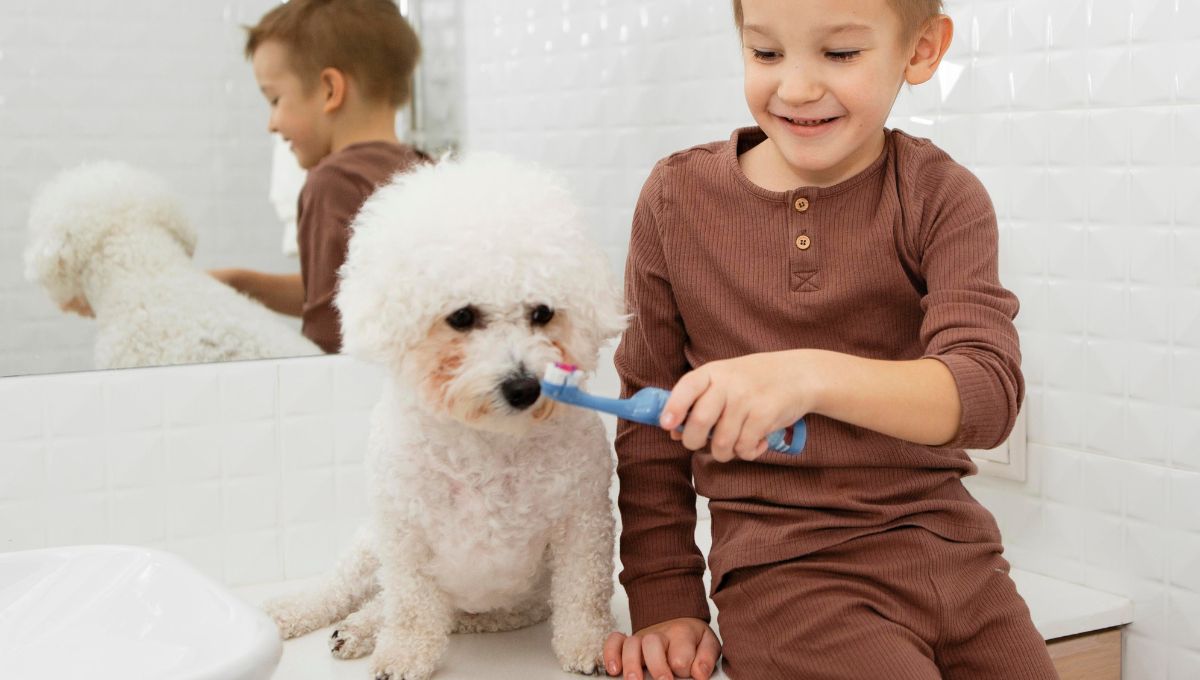
Introduction
Many dog owners focus on food, exercise, and grooming—but dental care is often ignored.
That’s a big mistake.
The majority of dogs exhibit signs of dental disease by the third year of their lives. Bad breath is usually the first warning sign, but it doesn’t stop there. Poor oral hygiene can lead to:
- Painful gum infections
- Tooth loss
- Heart, liver, and kidney problems
The good news?
With the right dog dental care products, you can protect your dog’s teeth at home and avoid expensive vet treatments later.
This guide explains everything you need to know—from toothbrushes to chews, sprays, and water additives—so you can build a simple, effective dental routine for your dog.
Why Dog Dental Care Products Are So Important

Dental disease in dogs starts quietly. Plaque builds up, hardens into tartar, and bacteria attack the gums.
Without proper care, this leads to:
- Gingivitis (red, swollen gums)
- Periodontal disease
- Loose or broken teeth
- Chronic pain and infection
How Dental Problems Affect Overall Health
Oral bacteria don’t stay in the mouth. They can enter the bloodstream and damage vital organs such as:
- Heart
- Liver
- Kidneys
Using proper dog dental care products helps reduce bacteria, control plaque, and protect your dog’s overall health—not just their smile.
Types of Dog Dental Care Products (Complete Breakdown)
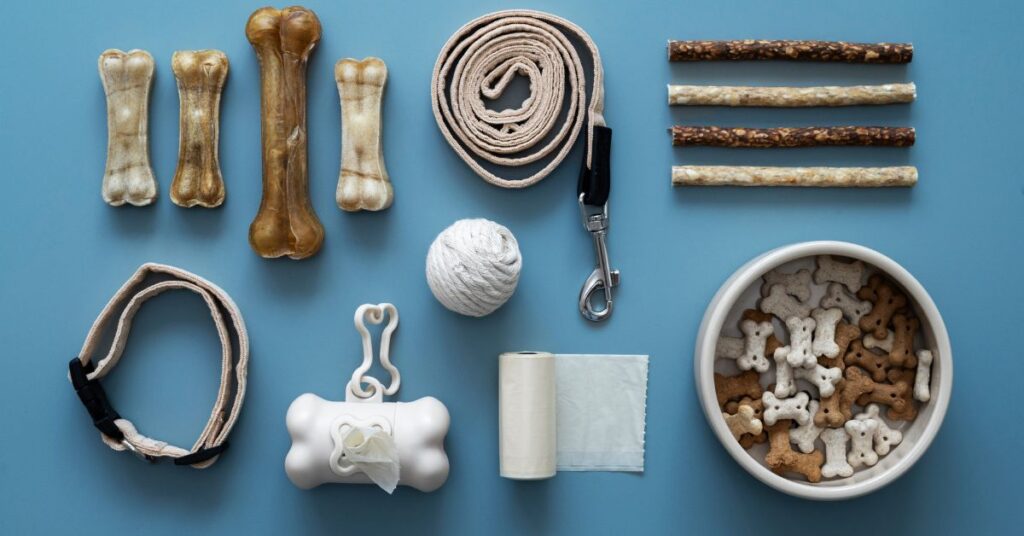
Not all dental products work the same way. The best results come from combining multiple tools based on your dog’s size, age, and tolerance.
Dog Toothbrushes and Toothpaste
Dogs need this type of dental care to stay healthy.
Dog Toothbrush Types
- Standard toothbrush – Best for large dogs
- Finger toothbrush – Ideal for puppies and beginners
- Double-headed toothbrush – Cleans multiple angles
Dog Toothpaste (Important Rule)
Never use human toothpaste.
It contains fluoride and xylitol, which are toxic to dogs.
Dog-safe toothpaste usually comes in flavors like:
- Chicken
- Beef
- Peanut butter
These flavors help dogs accept brushing more easily.
Tip: Brush at least 3–4 times per week for visible results.
Dog Dental Chews and Treats
Dental chews are one of the most popular dog dental care products—and for good reason.
How Dental Chews Work
- Mechanical chewing scrapes plaque
- Special ingredients reduce bacteria
- Textured surfaces reach hard-to-clean areas
What to Look For
- Size-appropriate chews
- Veterinary oral health approval
- Low calorie options for weight control
Do not rely on chews alone.
They support dental health but don’t replace brushing.
Dog Dental Sprays and Gels
These are perfect for dogs that refuse brushing.
Benefits
- Easy to apply
- Freshen breath instantly
- Help slow plaque buildup
Best Uses
- Senior dogs
- Dogs with sensitive gums
- As a supplement between brushing sessions
Sprays and gels work best when used daily.
Water Additives for Dog Dental Care
Water additives are mixed directly into your dog’s drinking water.
Pros
- Zero effort
- Good for multi-dog households
- Helps control bacteria
Cons
- Mild results compared to brushing
- Some dogs dislike the taste
They are best used as supportive dental care, not a primary solution.
Dental Wipes for Dogs
Dental wipes are soft pads used to rub your dog’s teeth and gums.
Why Use Them
- Great for puppies
- Useful during travel
- Helpful for dogs with mouth sensitivity
While wipes don’t remove hardened tartar, they help reduce plaque and bacteria when used consistently.
How to Choose the Right Dog Dental Care Products
Every dog is different. Choosing the wrong product can lead to frustration—or wasted money.
Consider Your Dog’s Age
- Puppies: Finger brushes, wipes, mild toothpaste
- Adult dogs: Toothbrush + chews + spray
- Senior dogs: Gels, sprays, soft chews
Consider Size and Breed
- Small dogs need smaller chews
- Large dogs require durable products
- Flat-faced breeds may need angled brushes
Check Ingredient Safety
Avoid products with:
- Xylitol
- Artificial sweeteners
- Harsh chemicals
When in doubt, consult your veterinarian—especially if your dog has existing dental disease.
Do’s and Don’ts of Dog Dental Care
Do’s
- Start dental care early
- Use dog-specific products only
- Be consistent with routine
- Reward your dog after dental care
Don’ts
- Don’t use human toothpaste
- Don’t ignore bad breath
- Don’t force brushing aggressively
- Don’t rely on treats alone
Consistency matters more than perfection.
Common Dog Dental Care Mistakes Owners Make
Many well-meaning dog owners unknowingly harm their dog’s oral health.
Top Mistakes
- Waiting until teeth look bad
- Skipping dental care for small dogs
- Assuming dry food cleans teeth
- Ignoring gum redness
Dry kibble does not clean teeth effectively.
Active dental care is still necessary.
Safety Tips When Using Dog Dental Care Products
- Always supervise chew time
- Replace damaged chews immediately
- Introduce new products slowly
- Stop use if gums bleed excessively
If you notice:
- Persistent bad breath
- Drooling
- Swollen gums
- Difficulty eating
Schedule a vet dental checkup promptly.
How Often Should You Use Dog Dental Care Products?
A simple routine works best:
- Brushing: 3–7 times per week
- Chews: 3–5 times per week
- Sprays/Gels: Daily
- Vet dental exam: Once per year
It doesn’t matter how small the effort is, it adds up over time.
Conclusion
Dental care is not optional—it’s a core part of responsible dog ownership.
Using the right dog dental care products helps prevent pain, disease, and expensive vet bills while improving your dog’s quality of life.
Start small. Stay consistent.
Your dog may not say thank you—but their healthier teeth and happier life will say it for them.
If you’re unsure where to begin, talk to your veterinarian and build a routine that fits your dog’s needs.
Healthy teeth mean a healthier dog
The best products include dog toothbrushes, dog toothpaste, dental chews, sprays, and water additives used together.
No. Dental chews help reduce plaque but cannot fully replace brushing.
You can use dental sprays, water additives, wipes, and chews, but brushing remains the most effective method.
Most of the time, yes. Chronic bad breath usually signals plaque buildup or gum disease.
Yes, when used as directed and made specifically for dogs. Always read labels and consult your vet if unsure.

Muhammad Ahad — SEO Specialist helping websites grow with smart, clean, and result-driven strategies. I improve search rankings, boost organic traffic, and turn content into real authority. I believe true SEO is built on data, trust, and consistency.
1 thought on “Dog Dental Care Products: Complete Guide for Healthy Teeth”