

Introduction
Dogs are more than just pets—they are loyal companions, protectors, and beloved members of the family. But owning a dog also comes with responsibility. Proper dog care ensures your furry friend lives a long, healthy, and happy life.
Many dog owners, especially beginners, often wonder what their dog truly needs. Is it just food and shelter? Or is there more involved in raising a healthy dog?
The truth is that good dog care involves nutrition, grooming, training, exercise, health care, and emotional attention. When these elements are combined, they create a balanced lifestyle for your dog.
In this complete guide, we will walk through the most important aspects of how to care for a dog properly, including practical tips that every dog owner should know.
Whether you are raising a puppy or caring for an adult dog, this guide will help you become a more confident and responsible pet parent.
Understanding the Basics of Dog Care
Caring for a dog starts with understanding their basic needs. Dogs depend on their owners for everything—from food and exercise to emotional support.
When these needs are met consistently, dogs become healthier, calmer, and easier to manage.
Essential Needs Every Dog Has
Every dog requires the following:
- Proper nutrition
- Fresh drinking water
- Regular exercise
- Safe shelter
- Grooming
- Veterinary care
- Social interaction
- Mental stimulation
Ignoring any of these can lead to behavioral problems or health issues.
Building a Daily Dog Care Routine
Dogs thrive on routine. A predictable daily schedule helps reduce anxiety and encourages good behavior.
A simple daily routine might include:
Morning:
- Potty break
- Feeding time
- Short walk
Afternoon:
- Playtime
- Training session
- Fresh water refill
Evening:
- Dinner
- Exercise or walk
- Relaxation time with family
Keeping a consistent routine makes dogs feel secure and comfortable.
Dog Nutrition and Feeding Essentials
Food plays a major role in overall dog health care. Feeding your dog the right diet helps maintain energy, supports immune health, and prevents many diseases.
Choosing the Right Dog Food
Dogs need a balanced diet that includes:
- Protein
- Healthy fats
- Vitamins
- Minerals
- Fiber
- Clean carbohydrates
Look for dog food that lists real meat as the first ingredient.
High-quality commercial dog food is usually formulated to meet a dog’s nutritional needs.
Avoid foods with excessive fillers such as:
- Artificial preservatives
- Excessive corn or soy
- Artificial colors
If you are unsure which diet is best for your dog, consult your veterinarian.
How Often Should You Feed Your Dog?
Feeding frequency depends on age.
Puppies
- 3–4 meals per day
Adult dogs
- 2 meals per day
Senior dogs
- Usually 2 smaller meals per day
Overfeeding can lead to obesity, which is one of the most common health problems in dogs.
Foods Dogs Should Never Eat
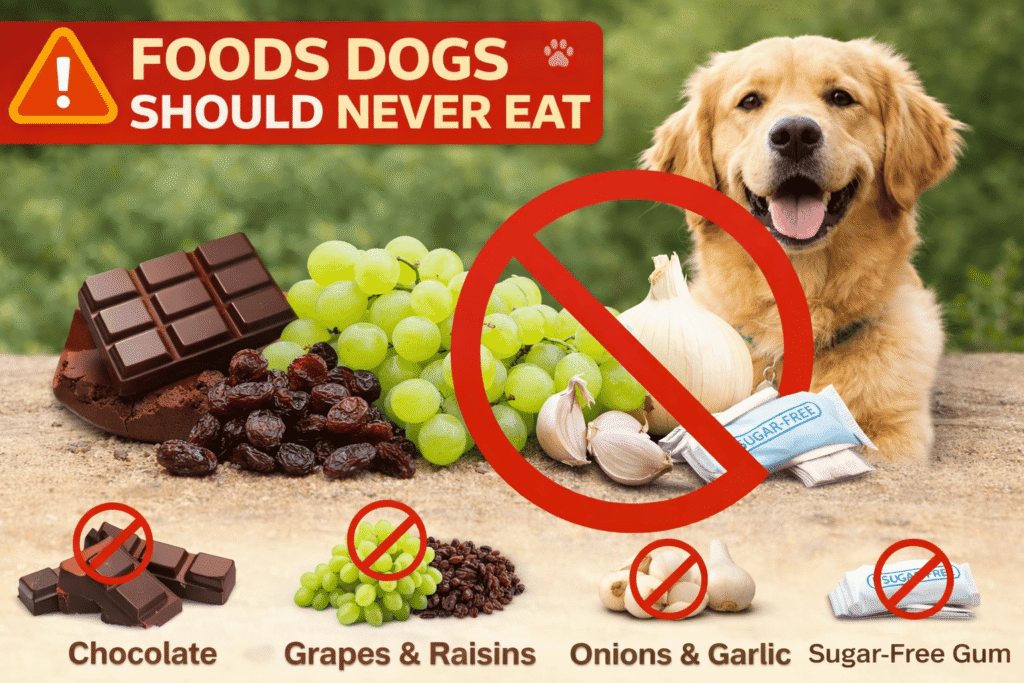
Some human foods are dangerous for dogs.
Avoid giving your dog:
- Chocolate
- Grapes and raisins
- Onions and garlic
- Xylitol (found in sugar-free gum)
- Alcohol
- Cooked bones
If your dog accidentally eats toxic food, contact a veterinarian immediately.
Grooming and Hygiene for Healthy Dogs
Proper grooming is a key part of daily dog care. It keeps dogs clean, prevents infections, and helps you notice health problems early.
Regular Brushing
Brushing removes loose fur, dirt, and tangles.
Benefits of brushing include:
- Reduces shedding
- Prevents matting
- Stimulates healthy skin
- Improves coat shine
Short-haired dogs may need brushing once a week, while long-haired breeds may require daily brushing.
Bathing Your Dog
Dogs do not need frequent baths.
In most cases:
- Bath every 4–6 weeks
Use dog-specific shampoo because human products can irritate a dog’s skin.
After bathing:
- Dry your dog thoroughly
- Brush the coat to avoid tangles
Nail Trimming and Ear Cleaning
It can be painful and difficult to walk with long nails.
Trim nails every 3–4 weeks if they become too long.
Ear cleaning is also important, especially for floppy-eared breeds.
Watch for signs of ear infection such as:
- Bad smell
- Redness
- Frequent scratching
If you notice these symptoms, consult a veterinarian.
Exercise and Mental Stimulation
Keeping physically and mentally fit is essential.
A bored dog may develop destructive habits such as:
- Chewing furniture
- Excessive barking
- Digging
Daily Exercise Needs
Exercise needs vary depending on breed and age.
Examples:
Small breeds
- 20–40 minutes daily
Medium breeds
- 45–60 minutes daily
High-energy breeds
- 1–2 hours daily
Activities can include:
- Walking
- Running
- Fetch games
- Tug toys
- Hiking
Mental Stimulation for Dogs
Dogs are intelligent animals and need mental challenges.
Good options include:
- Puzzle toys
- Training sessions
- Hide-and-seek games
- Learning new commands
Mental stimulation prevents boredom and improves obedience.
Dog Training and Socialization
Training is a major part of responsible dog ownership. It helps dogs understand rules and improves communication between dog and owner.
Basic Commands Every Dog Should Learn
Start with essential commands such as:
- Sit
- Stay
- Come
- Down
- Leave it
Training sessions should be:
- Short
- Positive
- Reward-based
Treats, praise, and toys work well as rewards.
Avoid harsh punishment, as it can cause fear and behavioral problems.
Socializing Your Dog
Socialization helps dogs become comfortable with:
- People
- Other dogs
- New environments
- Different sounds
The best time to socialize is during puppyhood, but adult dogs can still learn.
Introduce new experiences slowly and positively.
Preventive Health Care for Dogs
Keeping your dog healthy requires regular veterinary care.
Preventive health care can help detect problems before they become serious.
Regular Vet Checkups
Veterinarians check for:
- Weight issues
- Dental problems
- Parasites
- Skin conditions
- Early disease signs
Adult dogs should visit the vet once a year, while puppies and senior dogs may need more frequent visits.
Vaccinations
Vaccinations protect dogs from dangerous diseases such as:
- Rabies
- Parvovirus
- Distemper
- Hepatitis
Follow your vet’s vaccination schedule to keep your dog protected.
Parasite Prevention
Dogs can suffer from:
- Fleas
- Ticks
- Heartworms
- Intestinal worms
Preventive treatments are available and highly recommended.
Always consult a veterinarian before starting parasite control medication.
Common Dog Care Mistakes to Avoid
Even loving dog owners sometimes make mistakes.
Here are some common ones to avoid.
Overfeeding
There is a risk of obesity and health issues if you consume too many treats.
Skipping Exercise
Dogs need daily activity to stay healthy.
Ignoring Dental Care
Dental disease is common in dogs and can cause serious infections.
Lack of Training
Untrained dogs may develop behavioral problems.
Delaying Vet Visits
Early treatment often prevents serious health problems.
The more you know about these mistakes, the better care you will provide.
Safety Tips for Dog Owners
Keeping dogs safe should always be a priority.
Important safety tips include:
- Keep toxic foods out of reach
- Use a leash in public places
- Secure fences around your yard
- Provide shade and water during hot weather
- Avoid leaving dogs in parked cars
These precautions can prevent accidents and protect your pet.
Conclusion
Dog Care
Caring for a dog is a long-term commitment, but it is also one of the most rewarding experiences in life. Proper dog care includes providing balanced nutrition, regular exercise, grooming, training, and preventive health care.
By understanding your dog’s physical and emotional needs, you create a safe and loving environment where your pet can thrive.
Remember that every dog is unique. Pay attention to your dog’s behavior, maintain regular veterinary visits, and always prioritize their well-being.
With the right care and attention, your dog will reward you with years of loyalty, love, and companionship.
Responsible dog ownership truly makes a difference—not only for your pet but for your entire family.
The most important parts of dog care include proper nutrition, exercise, veterinary care, and emotional attention. Dogs need both physical and mental care to live healthy lives.
Most adult dogs should visit the veterinarian once a year for routine checkups. Puppies and senior dogs may require more frequent visits.
Exercise needs depend on breed and age. Most dogs require between 30 minutes and 2 hours of daily activity.
Brushing may be needed weekly or daily depending on coat type. Bathing is usually recommended every 4–6 weeks.
Some human foods are safe in small amounts, but many are toxic to dogs. Always research foods before feeding them to your dog.
Bright eyes
Clean ears
Shiny coat
Good appetite
Normal energy levels
If you notice unusual behavior or symptoms, consult a veterinarian.

Muhammad Ahad — SEO Specialist helping websites grow with smart, clean, and result-driven strategies. I improve search rankings, boost organic traffic, and turn content into real authority. I believe true SEO is built on data, trust, and consistency.
1 thought on “Complete Dog Care Guide for Happy, Healthy Dogs”