

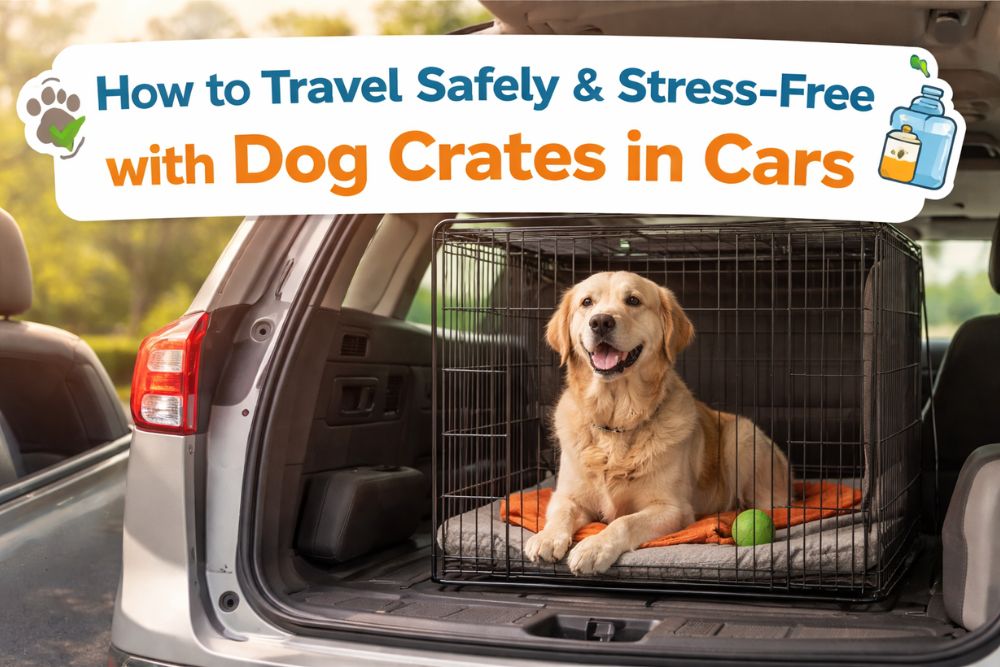
Traveling with your dog can be one of life’s greatest joys. Whether you’re heading to the vet, going on a road trip, or just running errands, your furry friend loves being part of the journey. However, safety should always come first and that’s where dog cages cars solutions come in.
A proper dog cage or crate designed for cars keeps your dog secure, reduces distractions while driving, and ensures both you and your pet stay safe on the road.
In this complete guide, you’ll learn everything you need to know about choosing the right dog cage for your car, including types, sizes, benefits, and expert tips.
Why Dog Cages Cars Are Essential for Travel
Many dog owners let their pets roam freely in the car. While this may seem harmless, it can actually be dangerous.
Here’s why using dog cages for cars is important:
- Prevents distractions while driving
- Protects your dog during sudden stops or accidents
- Reduces anxiety by giving your dog a secure space
- Keeps your car clean and damage-free
- Complies with safety laws in some regions
In short, a dog travel crate is not just an accessory it’s a necessity.
Types of Dog Cages for Cars
Choosing the right type of cage depends on your dog’s size, travel habits, and your car type.
1. Wire Dog Cages
Wire cages are strong, durable, and offer excellent ventilation.
Best for:
- Large dogs
- Short trips
- SUVs or larger vehicles
Pros:
- Good airflow
- Foldable and easy to store
- Strong and sturdy
Cons:
- Not ideal for small cars
- Less cozy for anxious dogs
2. Plastic Dog Travel Crates
These are enclosed crates with solid walls and ventilation holes.
Best for:
- Air and car travel
- Medium-sized dogs
Pros:
- Secure and enclosed
- Provides a den-like feel
- Durable
Cons:
- Limited visibility
- Bulkier than soft crates
3. Soft-Sided Dog Carriers
Lightweight and portable, these are great for small dogs.
Best for:
- Small breeds
- Short trips
Pros:
- Lightweight
- Easy to carry
- Comfortable
Cons:
- Not suitable for large dogs
- Less protection in accidents
4. Metal Crash-Tested Dog Cages
These are specially designed for maximum safety during accidents.
Best for:
- Frequent travelers
- Safety-conscious owners
Pros:
- High safety standards
- Durable construction
- Designed for car impact
Cons:
- Expensive
- Heavy
How to Choose the Right Dog Cage for Your Car
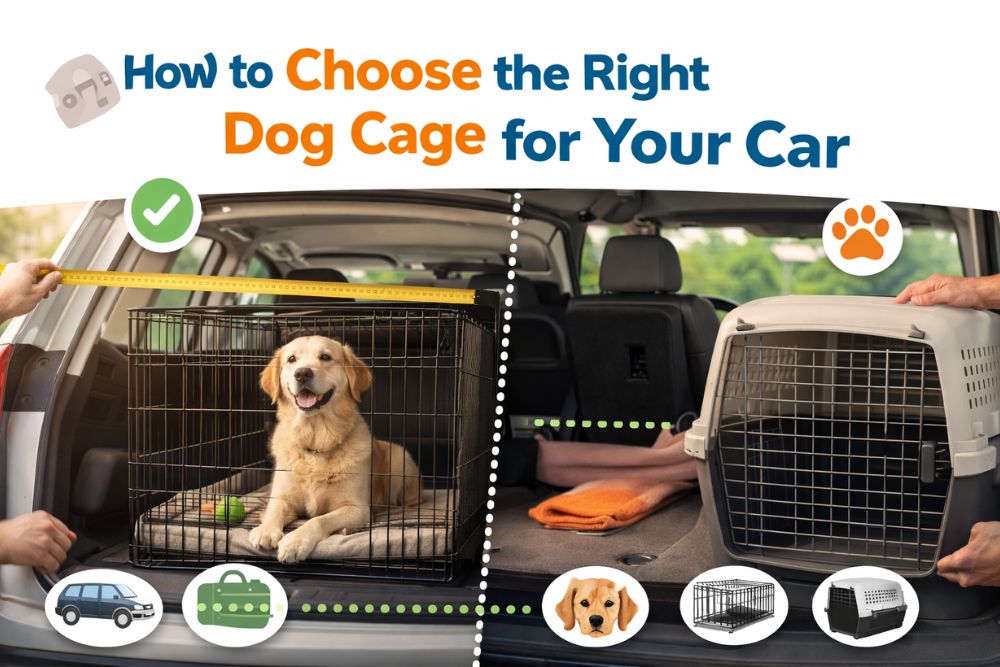
Selecting the right cage can feel overwhelming, but focusing on a few key factors makes it easier.
Size Matters
Your dog should be able to:
- Stand comfortably
- Turn around easily
- Lie down without restriction
Avoid cages that are too small or too large.
Car Compatibility
Always measure your car space before buying.
- Sedans → smaller or foldable cages
- SUVs → larger crates
- Hatchbacks → mid-size crates
Material and Durability
Choose based on your dog’s behavior:
- Chewers: metal cages
- Calm dogs: soft or plastic crates
Ventilation and Comfort
Good airflow is essential. Look for cages with:
- Multiple ventilation openings
- Soft bedding
- Non-slip base
Benefits of Using Dog Travel Crates
Using dog cages cars setups provides multiple benefits beyond safety.
1. Reduces Travel Anxiety
Dogs feel safer in enclosed spaces, especially during long journeys.
2. Prevents Injuries
A secured dog is less likely to get hurt during sudden braking.
3. Improves Driver Focus
No jumping, barking distractions, or movement across seats.
4. Keeps Your Car Clean
No fur, scratches, or muddy paws all over your car interior.
Dog Cage Placement in the Car
Where you place the cage matters a lot.
Best Placement Options:
- Cargo area (SUVs): safest for large crates
- Back seat: secure with seatbelt straps
- Floor area: for small carriers
Avoid:
- Front seat (dangerous with airbags)
- Unsecured placement
Comparison Table: Dog Cages Cars Options
| Type | Best For | Safety Level | Portability | Price Range |
| Wire Cage | Large dogs | Medium | Medium | $$ |
| Plastic Crate | Travel use | High | Low | $$ |
| Soft Carrier | Small dogs | Low | High | $ |
| Crash-Tested Cage | All sizes | Very High | Low | $$$$ |
Tips for Traveling with Dog Cages Cars
To make your journey smooth and stress-free, follow these tips:
- Introduce the crate at home before travel
- Use your dog’s favorite blanket or toy
- Never force your dog into the cage
- Take breaks during long trips
- Keep water available
- Avoid feeding right before travel
Common Mistakes to Avoid
Even experienced dog owners make mistakes when using car cages.
Avoid these:
- Choosing the wrong size
- Not securing the cage properly
- Ignoring ventilation
- Using low-quality materials
- Leaving your dog unattended in a hot car
Conclusion
Using dog cages cars solutions is one of the best decisions you can make for your pet’s safety and comfort. Whether you choose a wire cage, plastic crate, or crash-tested kennel, the key is selecting the right size and securing it properly.
Remember, a safe dog is a happy dog. With the right preparation and equipment, every car ride can become a stress-free and enjoyable experience for both you and your furry companion.
Yes, dog cages are one of the safest ways to transport dogs. They reduce movement and protect your dog during sudden stops or accidents.
Choose a cage where your dog can stand, turn around, and lie comfortably. Always measure your dog before buying.
Yes, but it should be secured properly. For better safety, consider crates specifically designed for car travel.
The back seat or cargo area is ideal. Avoid placing the cage in the front seat due to airbags.
Most dogs feel safe and relaxed in a crate, especially if they are trained properly.

Muhammad Ahad — Passionate writer sharing informative, engaging, and easy-to-read articles across different topics. Focused on delivering valuable content that helps readers learn, explore, and stay inspired every day.
1 thought on “How to travel safely and stress-free with dog cages cars”