

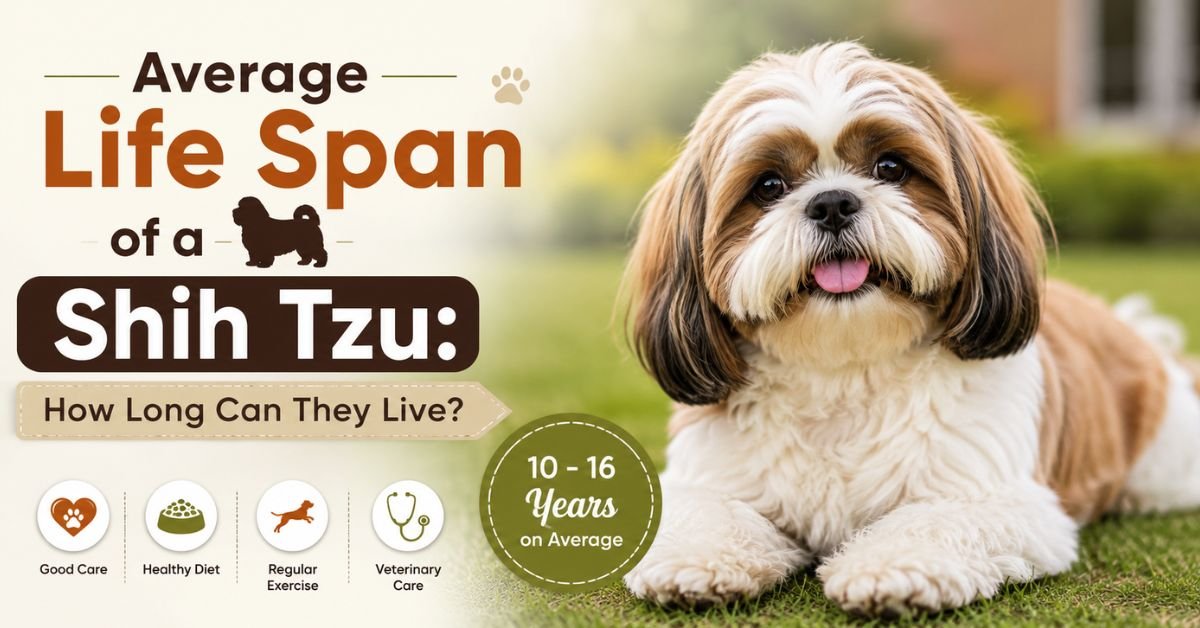
The average life span of a Shih Tzu is one of the first questions many prospective owners ask—and for good reason. Bringing a dog into your family is a long-term commitment, and knowing how many years you may have together helps you prepare for every stage of your companion’s life.
Shih Tzus have earned a reputation as one of the longest-living toy breeds. While genetics certainly play a role, their lifespan is also influenced by daily care, nutrition, exercise, preventive healthcare, and the environment they live in. Some Shih Tzus reach their late teens, while others face health challenges that shorten their lives.
According to veterinary guidance and breed health organizations, understanding the factors that influence longevity allows owners to make choices that improve both lifespan and quality of life. A longer life means little without comfort, mobility, and happiness.
Before exploring what affects a Shih Tzu’s longevity, let’s answer the most important question.
Quick Answer
The average life span of a Shih Tzu is typically between 10 and 16 years, with many healthy dogs living around 13 to 15 years. Excellent nutrition, regular veterinary care, maintaining a healthy weight, dental hygiene, and responsible breeding can all contribute to a longer, healthier life. Some exceptional Shih Tzus have even reached 18 years or more with outstanding lifelong care.
How Long Does a Shih Tzu Live?
Most healthy Shih Tzus live somewhere between 10 and 16 years, making them one of the longer-lived companion dog breeds.
A lifespan of 13 to 15 years is often considered typical for a well-cared-for Shih Tzu. Dogs receiving consistent preventive healthcare, balanced nutrition, and regular exercise frequently remain active well into their senior years.
Like humans, no two dogs age exactly the same way. One Shih Tzu may still enjoy daily walks at 14 years old, while another may develop arthritis or heart disease several years earlier.
Veterinarians generally agree that lifespan depends on a combination of factors, including:
- Genetic background
- Quality of breeding
- Diet throughout life
- Weight management
- Exercise habits
- Dental health
- Vaccinations and parasite prevention
- Early diagnosis of chronic disease
- Home environment
- Overall stress levels
Rather than focusing only on reaching a certain age, many veterinary professionals encourage owners to prioritize healthy aging.
Average Life Span Comparison
| Breed | Average Lifespan | Size |
| Shih Tzu | 10–16 years | Toy |
| Maltese | 12–15 years | Toy |
| Yorkshire Terrier | 11–15 years | Toy |
| Pomeranian | 12–16 years | Toy |
| Chihuahua | 14–18 years | Toy |
| Pug | 12–15 years | Toy |
| Cavalier King Charles Spaniel | 9–14 years | Small |
| Miniature Schnauzer | 12–15 years | Small |
Although the Shih Tzu enjoys an impressive lifespan, individual health care has a much greater impact than breed averages alone.
Lifespan of Shih Tzus varies between breeds
Owners are often surprised to learn that two Shih Tzus from different families—or even the same litter can have noticeably different lifespans.
That’s because longevity isn’t determined by a single factor. Instead, it’s shaped by years of cumulative influences that either support or gradually weaken the dog’s health.
Some factors are outside an owner’s control, while many others are manageable through informed daily care.
Genetics: The Foundation of Lifespan
Every Shih Tzu is born with a unique genetic blueprint.
Responsible breeders carefully screen parent dogs for inherited conditions that could affect future generations. This reduces the likelihood of passing along diseases linked to:
- Eye disorders
- Hip dysplasia
- Heart disease
- Kidney problems
- Liver disorders
- Certain neurological conditions
Dogs bred without proper health testing may inherit conditions that appear years later, even if they looked perfectly healthy as puppies.
This is why veterinarians often recommend choosing puppies from breeders who perform health screenings and maintain transparent medical histories.
Even with excellent genetics, however, lifestyle still matters tremendously.
Nutrition Plays a Bigger Role Than Many Owners Realize
Food is one of the few factors owners control every single day.
Balanced nutrition supports:
- Strong muscles
- Healthy immune function
- Organ health
- Brain function
- Joint mobility
- Healthy skin and coat
Poor-quality diets, frequent table scraps, or excessive treats can slowly contribute to obesity, diabetes, heart disease, and reduced mobility.
Many veterinarians recommend selecting a complete and balanced diet that meets nutritional standards for the dog’s age and activity level.
As Shih Tzus move from puppyhood to adulthood and eventually become seniors, their nutritional needs gradually change. Senior dogs often benefit from diets formulated to support joint health, healthy body weight, and cognitive function.
Providing fresh water at all times is equally important, especially for older dogs that may be more vulnerable to dehydration.
Maintaining a Healthy Weight Can Add Years to Life
Excess weight is one of the most preventable threats to a Shih Tzu’s long-term health.
Because Shih Tzus are a small breed, even gaining one or two extra pounds can place significant strain on their body.
Carrying excess weight may increase the risk of:
- Arthritis
- Diabetes
- Heart disease
- Reduced stamina
- Breathing difficulties
- Liver disease
- Reduced mobility
Many owners unknowingly overfeed their dogs because treats are given out of affection.
Instead of measuring love by food, consider rewarding your Shih Tzu with:
- Interactive play
- Puzzle toys
- Short walks
- Grooming sessions
- Positive attention
Regular weigh-ins during veterinary visits help identify small weight changes before they become larger health concerns.
Exercise Keeps More Than Muscles Healthy
Although Shih Tzus aren’t known for being marathon runners, they still need consistent physical activity.
Regular exercise helps maintain:
- Healthy weight
- Strong joints
- Cardiovascular health
- Mental stimulation
- Digestive function
- Better sleep
Many adult Shih Tzus are happy with two or three short walks each day combined with indoor play.
Activities may include:
- Gentle neighborhood walks
- Fetch with soft toys
- Puzzle feeders
- Nose work games
- Indoor obstacle courses
- Short training sessions
Owners should be cautious during hot or humid weather. Because Shih Tzus have shortened muzzles, they can struggle to regulate body temperature and may overheat more quickly than longer-nosed breeds.
Preventive Veterinary Care Makes a Lifelong Difference
One of the biggest differences between long-lived Shih Tzus and those facing preventable illness is consistent veterinary care.
Routine wellness visits allow veterinarians to detect subtle changes long before obvious symptoms appear.
Preventive care commonly includes:
- Annual or semiannual physical examinations
- Vaccinations
- Dental evaluations
- Blood testing for senior dogs
- Parasite prevention
- Heart health monitoring
- Eye examinations
- Weight assessments
Early detection often leads to simpler treatment options and better long-term outcomes.
For example, identifying kidney disease or heart disease in its early stages may allow treatment to begin before significant damage occurs.
Many owners wait until their dog seems ill before scheduling a veterinary visit, but preventive medicine is designed to catch problems before they become emergencies.
Common Health Problems That Can Affect a Shih Tzu’s Lifespan
Although Shih Tzus are generally considered a long-lived breed, they are not immune to health conditions that can influence both lifespan and quality of life. Some issues are inherited, while others develop gradually with age or lifestyle.
Understanding these conditions doesn’t mean your dog will develop them. Instead, it helps you recognize early warning signs and seek veterinary care before problems become severe.
Dental Disease
Dental disease is one of the most common health concerns in small dog breeds, including Shih Tzus.
Because of their compact jaws, teeth are often crowded together. This creates spaces where plaque and tartar can build up quickly. If left untreated, bacteria can infect the gums and eventually enter the bloodstream, potentially affecting the heart, kidneys, and liver.
Watch for signs such as:
- Bad breath
- Red or swollen gums
- Difficulty chewing
- Loose teeth
- Drooling
- Pawing at the mouth
Veterinarians often recommend daily tooth brushing, dental chews approved for dogs, and professional dental cleanings when needed.
Brachycephalic Airway Syndrome
Shih Tzus have short, flat faces that many people find adorable. Unfortunately, this facial structure can also make breathing more difficult.
Some dogs develop Brachycephalic Obstructive Airway Syndrome (BOAS), which may cause:
- Loud snoring
- Heavy panting
- Exercise intolerance
- Heat sensitivity
- Noisy breathing
Hot weather can quickly become dangerous for affected dogs.
Owners should avoid strenuous activity during warm temperatures and always provide access to shade and fresh water.
Eye Disorders
Large, prominent eyes make Shih Tzus especially prone to eye injuries and diseases.
Conditions may include:
- Dry eye (Keratoconjunctivitis Sicca)
- Corneal ulcers
- Cataracts
- Progressive retinal atrophy
- Glaucoma
Seek veterinary attention promptly if you notice:
- Squinting
- Excessive tearing
- Redness
- Cloudiness
- Eye discharge
- Rubbing at the face
Early treatment often preserves vision and prevents painful complications.
Heart Disease
Heart disease becomes more common as Shih Tzus enter their senior years.
One frequently diagnosed condition is mitral valve disease, which can gradually reduce heart function.
Symptoms may include:
- Persistent coughing
- Reduced energy
- Difficulty exercising
- Rapid breathing
- Fainting episodes
Routine veterinary examinations often detect heart murmurs before obvious symptoms appear.
Kidney Disease
Chronic kidney disease is another condition that may develop later in life.
Because symptoms appear gradually, many owners mistake them for normal aging.
Possible warning signs include:
- Drinking more water
- Frequent urination
- Weight loss
- Reduced appetite
- Vomiting
- Poor coat quality
Blood and urine tests during senior wellness visits can detect kidney disease before severe damage occurs.
Arthritis and Joint Problems
As Shih Tzus age, cartilage naturally wears down.
This may lead to arthritis, making everyday activities uncomfortable.
Signs include:
- Slower walks
- Difficulty climbing stairs
- Reluctance to jump
- Stiffness after resting
- Limping
Veterinarians may recommend weight management, physical therapy, joint supplements, or medication depending on the severity.
Signs Your Shih Tzu Is Entering the Senior Years
Most Shih Tzus begin showing signs of aging between 8 and 10 years old, although many remain playful for years afterward.
Aging looks different for every dog, but common changes include:
- More daytime sleeping
- Less interest in vigorous play
- Gray hair around the muzzle
- Reduced hearing
- Cloudier eyes
- Slower movement
- Mild weight changes
- Longer recovery after exercise
These changes are often normal, but sudden or dramatic differences should always be discussed with your veterinarian.
How to Help Your Shih Tzu Live a Longer, Healthier Life
There is no guaranteed way to extend a dog’s lifespan, but consistent care can improve both longevity and daily well-being.
Feed a Balanced Diet
Choose a complete and balanced food appropriate for your dog’s life stage.
Avoid:
- Excessive treats
- Fatty table scraps
- Highly processed human foods
- Toxic foods such as chocolate, grapes, onions, garlic, xylitol, and alcohol
A healthy body condition reduces stress on the heart, joints, and internal organs.
Keep Exercise Consistent
Shih Tzus do not require intense workouts, but regular activity is essential.
Aim for:
- Two or three short daily walks
- Indoor games
- Gentle play sessions
- Puzzle toys
- Basic obedience training
Mental stimulation is just as important as physical exercise, especially for senior dogs.
Prioritize Dental Care
Healthy teeth support overall health.
Good habits include:
- Brushing daily with dog-safe toothpaste
- Offering veterinary-approved dental chews
- Scheduling professional cleanings when recommended
- Checking for signs of gum disease
Stay Current With Veterinary Visits
Preventive care helps detect illness before it becomes serious.
Adult dogs typically benefit from annual wellness exams, Average Life Span of a Shih Tzu while senior Shih Tzus may need checkups every six months.
Routine visits may include:
- Physical examination
- Blood work
- Urinalysis
- Dental assessment
- Weight monitoring
- Heart evaluation
Maintain a Healthy Weight
Even a small amount of extra weight can affect a toy breed.
Measure meals accurately, limit treats, and discuss ideal body condition with your veterinarian.
Protect Against Heat
Because Shih Tzus have shortened airways, they are more susceptible to overheating.
During hot weather:
- Walk early in the morning or late in the evening.
- Provide constant access to fresh water.
- Avoid hot pavement.
- Never leave your dog in a parked car.
Heatstroke is a life-threatening emergency Average Life Span of a Shih Tzu.
Provide Mental Enrichment
Keeping the brain active may help maintain cognitive function as dogs age.
Ideas include:
- Food puzzles
- Scent games
- Learning new tricks
- Rotating toys
- Short training sessions
Even older Shih Tzus enjoy gentle mental challenges.
Practical Checklist for Helping Your Shih Tzu Live Longer
Use this checklist to support your dog’s long-term health:
- ✔ Feed a complete and balanced diet.
- ✔ Keep your Shih Tzu at a healthy weight.
- ✔ Provide fresh water every day.
- ✔ Brush your dog’s teeth daily.
- ✔ Schedule routine veterinary checkups.
- ✔ Keep vaccinations up to date.
- ✔ Use year-round flea, tick, and heartworm prevention if recommended in your area.
- ✔ Exercise every day with walks and play.
- ✔ Groom regularly to keep the coat and skin healthy.
- ✔ Clean around the eyes to reduce irritation.
- ✔ Watch for changes in breathing, appetite, or energy.
- ✔ Begin senior health screenings as your veterinarian recommends.
- ✔ Give plenty of affection, mental stimulation, and quality time.
When to Call a Veterinarian
Some health changes should never be dismissed as “just getting older.”
Contact your veterinarian promptly if your Shih Tzu experiences:
- Difficulty breathing
- Collapse or fainting
- Persistent vomiting or diarrhea
- Loss of appetite lasting more than 24 hours
- Sudden blindness
- Seizures
- Bloody urine or stool
- Severe coughing
- Extreme lethargy
- Difficulty standing or walking
- Rapid weight loss
- Signs of severe pain
Seek emergency veterinary care immediately if your dog shows signs of heatstroke, severe breathing distress, or collapse.
Sources & References
The information in this article is based on guidance and educational resources from respected veterinary organizations and breed authorities, including:
- American Kennel Club (AKC)
- Merck Veterinary Manual
- American Veterinary Medical Association (AVMA)
- VCA Animal Hospitals
- PetMD
- World Small Animal Veterinary Association (WSAVA)
- Companion Animal Parasite Council (CAPC)
- Orthopedic Foundation for Animals (OFA)
These organizations provide evidence-based recommendations on canine health, preventive care, aging, nutrition, and breed-specific conditions Average Life Span of a Shih Tzu.
Final Thoughts
The average life span of a Shih Tzu is typically 10 to 16 years, and many enjoy happy, active lives well into their teens. While genetics influence longevity, daily care makes a meaningful difference. Nutritious food, regular exercise, dental hygiene, preventive veterinary visits, and maintaining a healthy weight all work together to support a longer, healthier life.
Final Verdict
Rather than focusing only on adding years, aim to add healthy, comfortable years. Paying attention to small changes, addressing health concerns early, and creating a safe, loving environment can help your Shih Tzu enjoy every stage of life from playful puppyhood to the gentle senior years.
Most Shih Tzus live between 10 and 16 years, with many reaching 13 to 15 years when provided with balanced nutrition, preventive veterinary care, regular exercise, and a healthy lifestyle. Genetics also play an important role in determining longevity.
Yes. While not every dog will reach this age, some Shih Tzus have lived to 17 or even 18 years. Exceptional longevity is usually associated with excellent genetics, routine veterinary care, healthy body weight, proper dental care, and early treatment of medical conditions.
Research across many dog breeds suggests that females may have a slight longevity advantage, but the difference is generally small. Individual health, genetics, diet, preventive care, and lifestyle have a much greater impact on lifespan than sex alone.
Common age-related causes include heart disease, kidney disease, cancer, and complications associated with advanced age. Dental disease and obesity can also contribute to health problems if not managed. Regular veterinary examinations improve the chances of detecting these conditions early.
Many veterinarians consider a Shih Tzu to be a senior at around 8 to 10 years of age. Senior dogs often benefit from more frequent wellness exams, blood testing, and adjustments to diet and exercise to support healthy aging.

Muhammad Ahad — Passionate writer sharing informative, engaging, and easy-to-read articles across different topics. Focused on delivering valuable content that helps readers learn, explore, and stay inspired every day.