

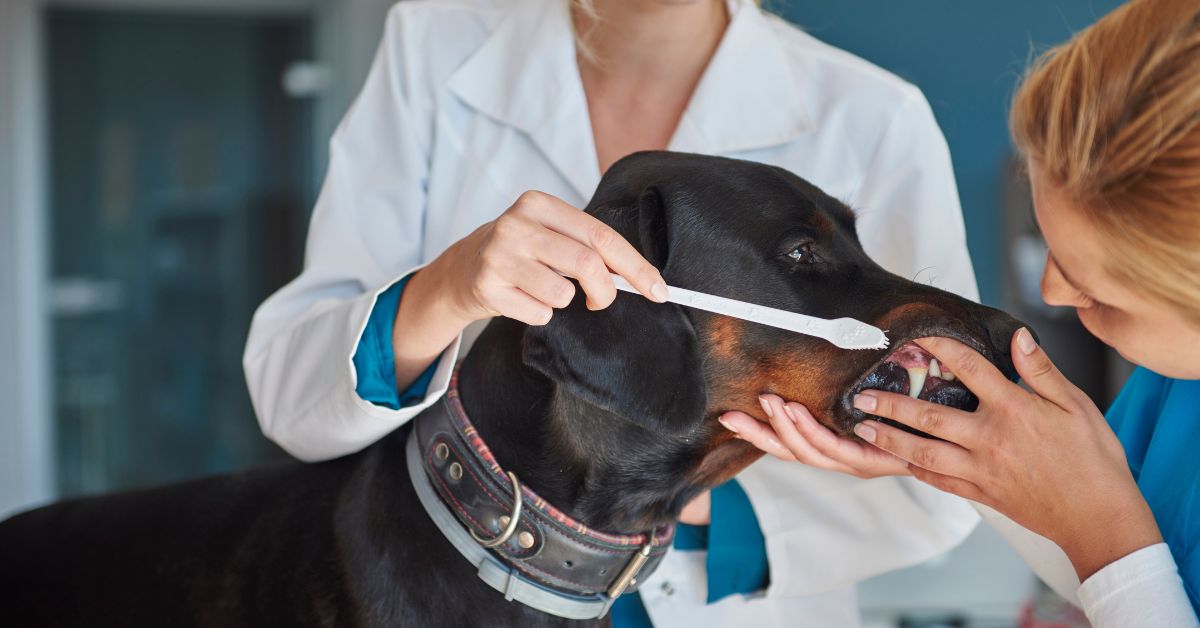
Introduction:
Healthy teeth are not just about a bright smile.
The health of your dog depends heavily on them.
Many dog owners think bad breath is normal.
Vets strongly disagree.
In reality, dental disease is one of the most common health problems in dogs.
The good news? It’s also one of the most preventable.
This complete guide explains vet recommended dog teeth cleaning in simple, clear language.
You’ll learn why dental care matters, how professionals clean dog teeth, and what you can safely do at home.
Whether you are a first-time dog owner or experienced, this guide will help you protect your dog’s teeth for life.
Why Vets Stress Dog Teeth Cleaning So Much
Dental health is often ignored until a dog stops eating or shows pain.
By then, the damage is already serious.
According to veterinary experts, most dogs show signs of dental disease by age three.
Small dogs are at even higher risk.
What Happens When Teeth Are Not Cleaned
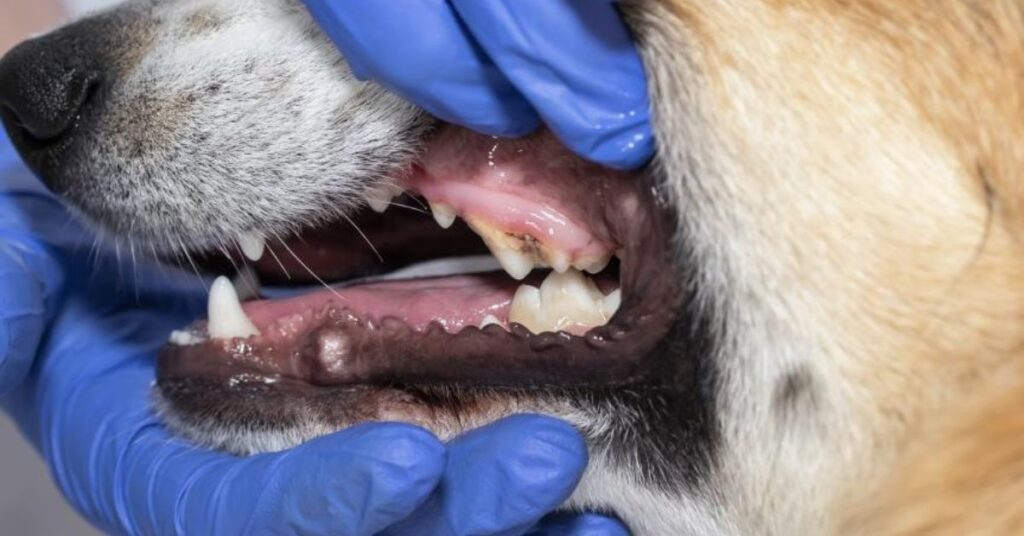
Plaque forms on your dog’s teeth every day.
If not removed, it hardens into tartar.
Tartar leads to:
- Gum inflammation
- Tooth decay
- Loose or broken teeth
- Pain and infection
- Bad breath that never goes away
The biggest danger is not the mouth alone.
Bloodstream infections can be caused by bacteria infected with gums.
This can affect:
- Heart
- Liver
- Kidneys
This is why vets take dental care seriously.
What Vets Want Dog Owners to Understand
Vet recommended dog teeth cleaning is not cosmetic.
It is medical care.
Regular dental cleaning:
- Prevents painful infections
- Helps dogs eat comfortably
- Improves overall lifespan
- Reduces future vet bills
Ignoring dental care can lead to emergency procedures later.
What Is Vet Recommended Dog Teeth Cleaning?
Professional dental care and home maintenance are included in a veterinarian’s recommended dog teeth cleaning.
It is not just brushing once in a while.
It’s a complete oral health routine.
Professional Dental Cleaning at the Vet
A professional cleaning is done under anesthesia.
This allows the vet to clean safely and thoroughly.
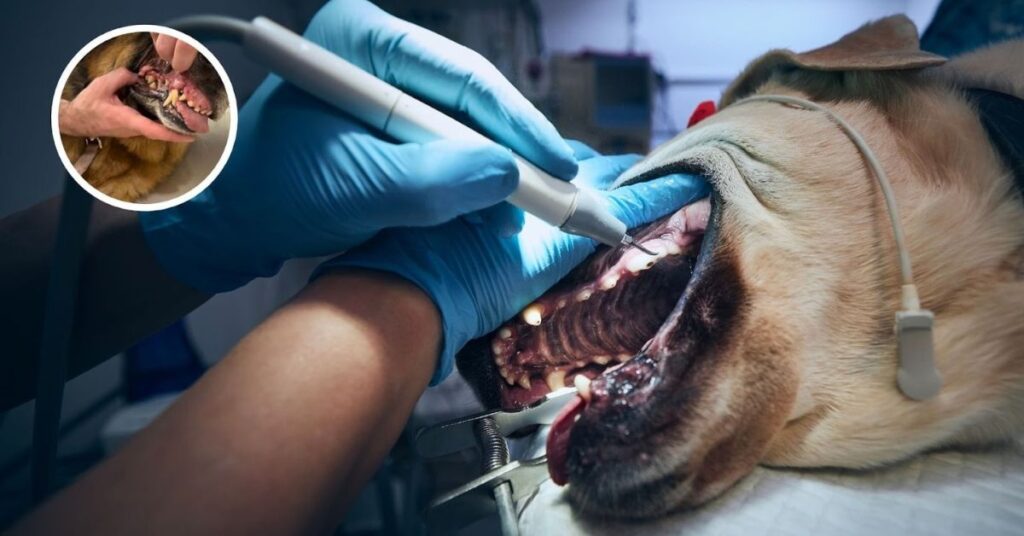
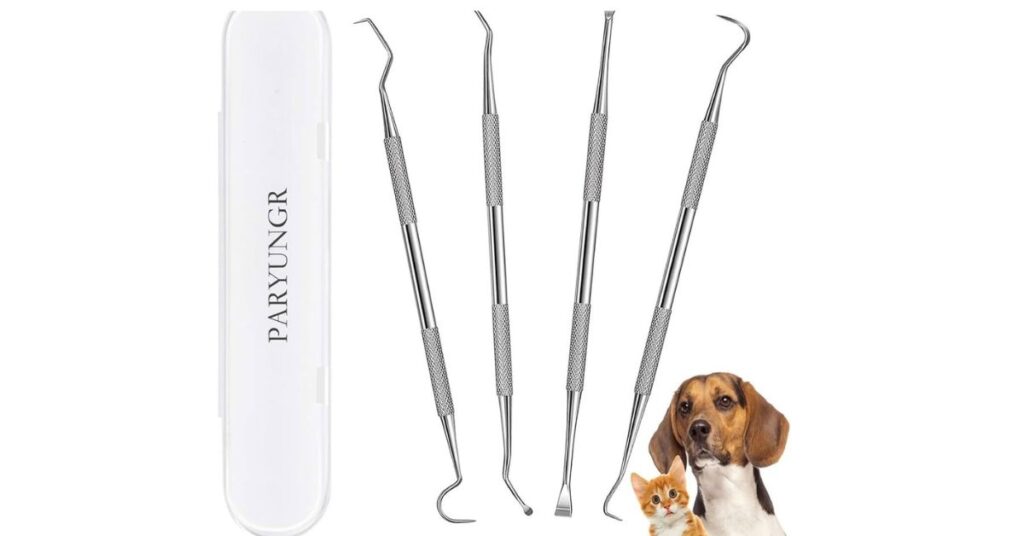
Here’s what usually happens:
- Full mouth exam
- Scaling above and below the gum line
- Polishing to smooth teeth
- X-rays if needed
- Tooth extractions if necessary
This deep cleaning removes tartar that brushing cannot.
Veterinary dental standards are guided by organizations like American Veterinary Dental College, which emphasizes complete oral exams and safe procedures.
At-Home Dental Care Between Vet Visits
Professional cleanings are important, but they are not enough alone.
Vets recommend daily or regular home care, including:
- Tooth brushing
- Dental chews
- Dental diets
- Oral rinses
Products approved by Veterinary Oral Health Council are often recommended by vets.
How Often Do Dogs Need Vet Dental Cleaning?
There is no one-size-fits-all answer.
General Vet Guidelines
Most vets suggest:
- Professional dental cleaning once a year
- Small breeds may need it every 6–12 months
- Large breeds may go 12–18 months
Dogs with existing dental disease may need more frequent care.
Factors That Affect Cleaning Frequency
Your dog’s dental needs depend on:
- Breed and size
- Age
- Diet
- Genetics
- Home dental care routine
Small dogs like Chihuahuas and Yorkies often need more frequent cleanings.
They are prone to tartar buildup.
Always ask your vet for a personalized schedule.
Is Anesthesia Safe for Dog Teeth Cleaning?
This is one of the biggest concerns for dog owners.
There’s also a lot of misinformation surrounding it.
Why Anesthesia Is Used
Anesthesia allows the vet to:
- Clean under the gum line
- Take dental X-rays
- Prevent pain and stress
- Protect the airway
Without anesthesia, deep cleaning is impossible and unsafe.
How Vets Reduce Anesthesia Risks
Modern veterinary anesthesia is very safe.
Especially when done properly.
Before cleaning, vets usually perform:
- Blood tests
- Physical exams
- Heart and lung checks
During the procedure:
- Vital signs are monitored
- Oxygen levels are tracked
- Temperature is controlled
For healthy dogs, the risk is very low.
The risk of untreated dental disease is much higher.
Vet Approved Ways to Clean Your Dog’s Teeth at Home
Home care is where dog owners make the biggest difference.
Daily Tooth Brushing (Gold Standard)
Brushing is the most effective home method.
Vets recommend brushing at least 3–4 times a week.
How to Brush Safely
- Use dog-specific toothpaste
- Never use human toothpaste
- Use a soft dog toothbrush or finger brush
- Start slowly and gently
Steps:
- Let your dog lick the toothpaste
- Touch teeth without brushing
- Gradually introduce brushing
- Focus on outer tooth surfaces
Consistency matters more than perfection.
Dental Chews (Vet Approved)
Dental chews can help reduce plaque buildup.
Look for chews that:
- Are VOHC-approved
- Match your dog’s size
- Are not too hard
Avoid very hard chews like bones or antlers.
They can break teeth.
Dental Diets and Water Additives
Some prescription dental diets help scrape plaque.
Water additives can reduce bacteria.
These are helpful tools, not replacements for brushing.
Common Mistakes Dog Owners Make With Dental Care
Many well-meaning owners accidentally harm their dog’s teeth.
Mistake #1: Waiting for Bad Breath
Bad breath means disease is already present.
Dental care should start early.
Mistake #2: Using Human Toothpaste
Human toothpaste contains fluoride and xylitol.
Both are toxic to dogs.
Mistake #3: Relying Only on Chews
Chews help, but they don’t clean under the gums.
Brushing and vet visits are still needed.
Mistake #4: Skipping Vet Dental Exams
Visual checks at home are not enough.
Only vets can detect deep dental problems.
Signs Your Dog Needs Dental Cleaning Now
Do not wait if you see these symptoms:
- Persistent bad breath
- Yellow or brown tartar
- Red or bleeding gums
- Dropping food while eating
- Pawing at the mouth
- Facial swelling
These signs require immediate vet attention.
Are Non-Anesthetic Dog Teeth Cleanings Safe?
You may see groomers offering non-anesthetic cleanings.
Vets generally do not recommend them.
Why Vets Are Cautious
Non-anesthetic cleanings:
- Clean only visible surfaces
- Cannot reach under gums
- May cause stress or injury
- Can miss serious disease
They can give a false sense of security.
For true oral health, anesthesia-based cleanings are the veterinary standard.
Cost of Vet Recommended Dog Teeth Cleaning
Costs vary widely by location and dog size.
Average Price Range
- Small dogs: $300–600
- Medium dogs: $400–800
- Large dogs: $600–1,200
Extractions and X-rays increase cost.
While this may seem expensive, untreated dental disease costs far more over time.
How to Prepare Your Dog for a Dental Cleaning
Preparation helps reduce stress and risk.
Before the Appointment
- Follow fasting instructions
- Share health history with your vet
- Ask about blood work
After the Procedure
- Your dog may be sleepy
- Offer soft food if advised
- Avoid hard toys for a few days
- Follow post-care instructions
Most dogs recover quickly and feel better than before.
Final Thoughts: Healthy Teeth Mean a Healthier Dog
Vet recommended dog teeth cleaning is one of the best investments you can make in your dog’s health.
Dental disease causes pain that dogs often hide.
By the time symptoms appear, damage is already advanced.
A combination of:
- Professional vet cleanings
- Regular tooth brushing
- Smart dental products
can prevent most dental problems.
If you are unsure where to start, talk to your veterinarian.
They can create a dental care plan tailored to your dog.
Your dog depends on you for comfort and care.
A clean mouth means less pain, better health, and more happy years together.
At DoggoPulse.com, we believe responsible dental care is part of loving your dog well
Vets recommend brushing at least 3–4 times a week.
Daily brushing is ideal.
Yes. Home care cannot remove tartar under the gums.
Professional cleanings are essential.
Puppies usually don’t need professional cleaning.
However, early brushing training is highly recommended.
No. They help reduce plaque but cannot replace brushing or vet care.
Most dogs need their first professional cleaning between 2–4 years old.
Small breeds may need it earlier.
Under anesthesia, dogs feel no pain.
Afterward, most dogs are more comfortable than before.

Muhammad Ahad — SEO Specialist helping websites grow with smart, clean, and result-driven strategies. I improve search rankings, boost organic traffic, and turn content into real authority. I believe true SEO is built on data, trust, and consistency.