

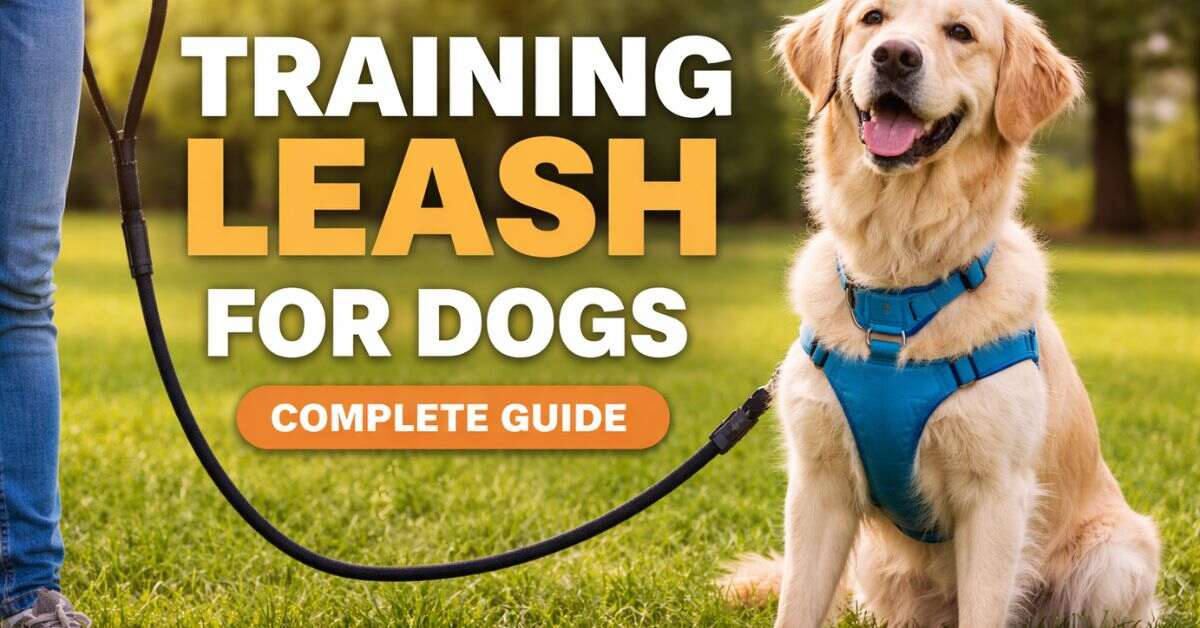
Introduction
If your dog pulls, gets distracted, or refuses to walk calmly, you’re not alone. Many dog owners face these common challenges, especially during the early stages of training.
The good news is that using the right training leash for dogs can make a huge difference. A proper leash doesn’t just help control your dog—it teaches discipline, improves behavior, and builds a stronger connection between you and your pet.
Whether you have a young puppy or an adult dog, this guide will help you choose the right leash and train your dog effectively.
What Is a Training Leash for Dogs?
A training leash for dogs is designed to help teach proper walking behavior and obedience. Unlike regular leashes, these are built to give you better control and communication during training sessions.
Key Features of a Training Leash
- Strong and durable material
- Comfortable grip
- Available in different lengths
- Better control over movement
- Helps reduce pulling
Why You Need a Training Leash

A standard leash may be fine for casual walks, but training requires more control and consistency.
A training leash helps you:
- Teach loose-leash walking
- Improve obedience
- Reduce unwanted behavior
- Keep your dog safe in public areas
Types of Training Leashes for Dogs
Choosing the right leash is important because each type serves a different purpose.
1. Standard Leash (4–6 Feet)
This is the most commonly used leash and ideal for beginners.
Best for:
- Daily walks
- Basic obedience training
- Controlled environments
2. Long Training Leash (10–30 Feet)
A long leash allows your dog to move freely while still being under your control.
Best for:
- Recall training
- Outdoor practice
- Distance commands
3. Retractable Leash
This leash extends automatically, giving your dog more freedom.
Important Note:
Not recommended for training beginners because it reduces control and consistency.
4. Slip Leash
This leash tightens when your dog pulls and loosens when they stop.
Best for:
- Experienced trainers
- Correcting pulling behavior
⚠️ Use carefully to avoid discomfort or injury.
How to Choose the Best Training Leash for Your Dog

Every dog is different, so your choice should match your dog’s size, strength, and behavior.
Consider Your Dog’s Size
- Small dogs need lightweight leashes
- Large dogs require strong, heavy-duty options
Choose the Right Material
- Nylon: Affordable and durable
- Leather: Comfortable and long-lasting
- Rope: Strong and ideal for powerful dogs
Pick the Correct Length
- Short leash for better control
- Long leash for training freedom
Look for Comfortable Handles
A padded handle helps prevent hand strain during long walks or strong pulling.
How to Use a Training Leash Effectively
Using the leash correctly is just as important as choosing the right one.
Step-by-Step Training Tips
1. Start Indoors
Begin training in a quiet place with no distractions.
2. Use Positive Reinforcement
Reward your dog with treats, praise, or toys when they behave well.
3. Stop When Your Dog Pulls
If your dog pulls, stop walking immediately. Continue only when they relax.
4. Keep Training Sessions Short
5–10 minutes is enough, especially for puppies.
5. Stay Consistent
Consistency is key to successful training.
Common Mistakes to Avoid
Avoid these common errors to make training easier and faster:
- Using the wrong leash type
- Pulling or jerking the leash aggressively
- Being inconsistent with commands
- Not rewarding good behavior
- Training for too long
Training should always be calm, patient, and positive.
Safety Tips When Using a Training Leash
Your dog’s safety should always come first.
Important Safety Tips
- Never wrap the leash around your hand
- Avoid weak or thin leashes
- Check for damage regularly
- Don’t pull too hard
- Use a harness for better control
If your dog shows signs of pain, consult a veterinarian.
🐾 Do’s and Don’ts of Leash Training
✅ Do’s
- Use rewards and praise
- Practice daily
- Stay patient
- Choose the right leash
❌ Don’ts
- Don’t punish your dog
- Don’t rush the process
- Don’t use tight or harmful leashes
- Don’t ignore bad behavior
Conclusion
Choosing the right training leash for dogs is essential for effective training and safe walking. The right leash, combined with patience and consistency, can transform your dog’s behavior.
Remember, every dog learns at their own pace. Stay calm, use positive reinforcement, and practice regularly.
A well-trained dog is happier, safer, and easier to manage—and that makes life better for both of you.
Start today and enjoy stress-free walks with your furry companion! 🐾
A standard 6-foot leash is best for beginners, while long leashes are ideal for advanced training like recall.
It’s not recommended for beginners because it reduces control and consistency.
4–6 feet is ideal for basic training. Longer leashes (10–30 feet) are used for recall training.
Stop walking when your dog pulls and reward them when they walk calmly.
Yes, a harness is usually safer and more comfortable, especially for dogs that pull.

Muhammad Ahad — SEO Specialist helping websites grow with smart, clean, and result-driven strategies. I improve search rankings, boost organic traffic, and turn content into real authority. I believe true SEO is built on data, trust, and consistency.
1 thought on “ Training Leash for Dogs: Complete Guide for Smart Dog Owners”