

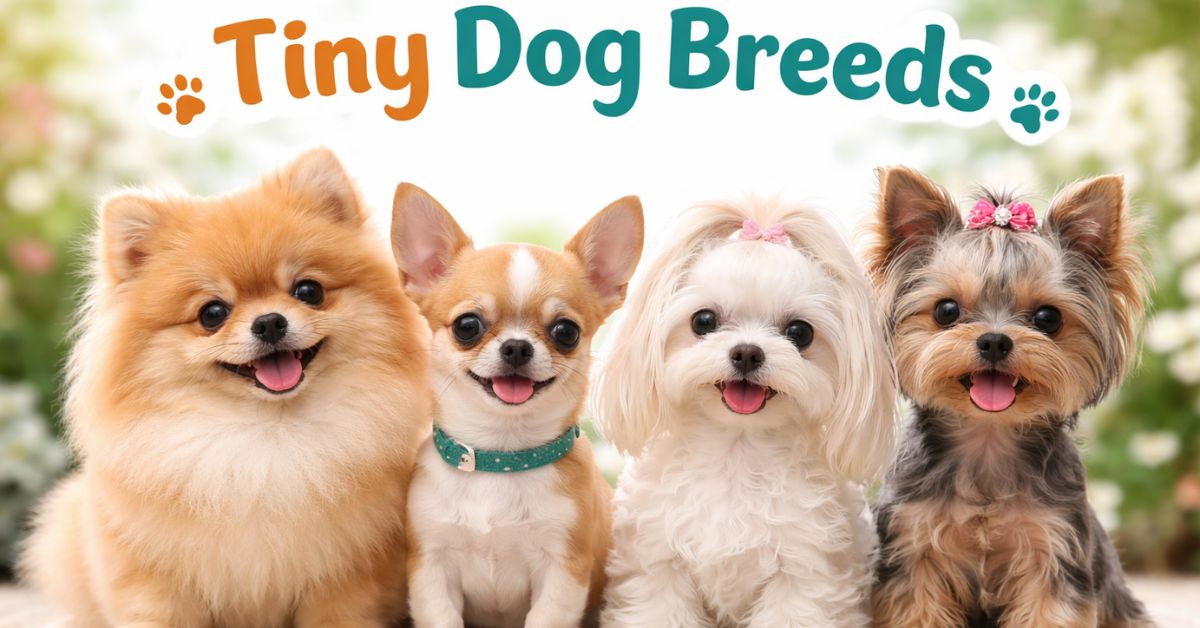
Introduction
Tiny dogs have captured the hearts of dog lovers all over the world. These adorable little companions may be small in size, but they often have huge personalities. From playful and energetic pups to calm lap dogs, tiny dog breeds offer something for every type of dog owner.
Many people choose small dogs because they are easier to manage in apartments, travel well, and often require less space than larger breeds. However, caring for a tiny dog still requires responsibility, proper training, and a good understanding of their needs.
In this guide, we’ll explore the best tiny dog breeds, their personalities, care requirements, and important tips to help you decide if a small dog is the right fit for your home.
Why People Love Tiny Dog Breeds
Tiny dog breeds are incredibly popular for many reasons. While their small size is a major advantage, their loving nature and charm make them even more appealing.
1. Perfect for Small Homes and Apartments
One of the biggest benefits of tiny dogs is that they fit comfortably in small living spaces.
Many small dog breeds are ideal for:
- Apartment living
- Urban homes
- Small families
- Single owners
They usually need less physical space compared to large dogs, although they still require daily exercise and mental stimulation.
2. Easy to Travel With
Tiny dogs are excellent travel companions. Their size allows them to fit comfortably in carriers or travel bags.
Many airlines and hotels are also more accommodating to small dogs, making them great companions for people who travel frequently.
3. Strong Emotional Companions
Many toy dog breeds were originally bred to be companion animals. This means they thrive on human interaction and enjoy spending time with their owners.
These dogs often:
- Love cuddling
- Form strong bonds with their families
- Enjoy being close to their owners
4. Lower Food Costs
Since tiny dogs eat smaller portions, feeding them is generally less expensive than feeding large breeds.
However, it’s still important to choose high-quality dog food to maintain their health.
Popular Tiny Dog Breeds
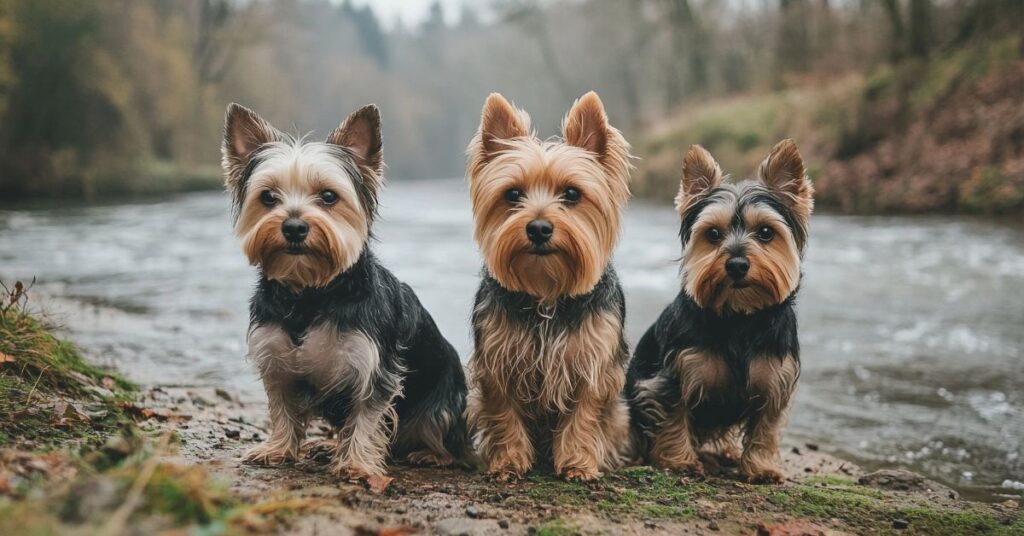
There are many small dog breeds, but some stand out because of their personality, intelligence, and popularity among dog lovers.
Chihuahua
Chihuahuas are among the smallest breeds of dogs.
Key Traits
- Weight: 2–6 pounds
- Lifespan: 12–20 years
- Personality: Loyal, alert, confident
Despite their size, Chihuahuas are incredibly brave and protective of their owners. They make excellent companion dogs but require early socialization to avoid becoming overly protective.
Pomeranian
Pomeranians are fluffy, energetic, and incredibly charming.
Key Traits
- Weight: 3–7 pounds
- Lifespan: 12–16 years
- Personality: Playful, intelligent, outgoing
Their thick coats require regular grooming, but their lively personalities make them a joy to own.
Yorkshire Terrier
Yorkies are small but full of energy and confidence.
Key Traits
- Weight: Around 7 pounds
- Lifespan: 13–16 years
- Personality: Brave, affectionate, energetic
They are very loyal to their owners and make great lap dogs when properly trained.
Maltese
The Maltese is famous for its beautiful white coat and gentle personality.
Key Traits
- Weight: 4–7 pounds
- Lifespan: 12–15 years
- Personality: Gentle, loving, playful
These dogs thrive in families that provide plenty of attention and affection.
Toy Poodle
Toy Poodles are highly intelligent and easy to train.
Key Traits
- Weight: 4–6 pounds
- Lifespan: 12–18 years
- Personality: Smart, active, loyal
They are one of the best tiny companion dogs for people who want a trainable and active pet.
Caring for Tiny Dog Breeds
Although tiny dogs may seem low-maintenance, they still require proper care to stay healthy and happy.
Proper Nutrition
Tiny dogs have faster metabolisms than larger dogs. This means they need nutrient-dense food designed for small breeds.
Important feeding tips:
- Choose food made for small or toy breeds
- Feed small portions multiple times a day
- Avoid overfeeding to prevent obesity
If you’re unsure about the best diet, consult a licensed veterinarian.
Exercise Needs
Many people assume small dogs don’t need exercise, but that’s not true.
Most miniature dog breeds need daily activity such as:
- Short walks
- Indoor play
- Puzzle toys
- Training games
Their physical and mental health is maintained through exercise.
Grooming Requirements
Some tiny dog breeds require regular grooming.
Common grooming needs include:
- Brushing coats several times per week
- Nail trimming
- Ear cleaning
- Dental care
Dental hygiene is especially important for small dogs, as they are more prone to dental disease.
Training and Socialization
Even the smallest dog needs proper training.
Without training, tiny dogs can develop behavioral issues such as:
- Excessive barking
- Aggression toward strangers
- Separation anxiety
Training Tips
- Start training early
- Use positive reinforcement
- Keep training sessions short and fun
- Socialize them with people and other pets
Health Considerations for Tiny Dogs

Tiny dog breeds often live longer than large dogs, but they can also be prone to certain health issues.
Some common problems include:
- Dental disease
- Hypoglycemia (low blood sugar)
- Fragile bones
- Heart conditions
- Luxating patella (knee problems)
Regular veterinary checkups are essential to detect health issues early.
Do’s and Don’ts of Owning Tiny Dog Breeds
Do’s
✔ Provide balanced nutrition
✔ Schedule regular vet visits
✔ Train your dog consistently
✔ Give daily exercise and mental stimulation
✔ Protect them from rough play with larger animals
Don’ts
✘ Don’t treat them like toys
✘ Don’t skip training just because they’re small
✘ Don’t overfeed them
✘ Don’t ignore dental care
✘ Don’t leave them unsupervised around large dogs
Common Mistakes Tiny Dog Owners Make
Many new owners unintentionally make mistakes when raising tiny dogs.
Treating Them Like Babies
Tiny dogs still need structure, rules, and training.
Not Socializing Them
Fear and aggression can develop in small dogs without proper socialization.
Ignoring Exercise
Even small dogs need daily physical activity to stay healthy.
Overprotecting Them
While tiny dogs are delicate, they still benefit from independence and confidence-building experiences.
How to Choose the Right Tiny Dog Breed
Choosing the right dog depends on your lifestyle.
Ask yourself these questions:
- Do you want a calm lap dog or an active companion?
- How much time can you spend grooming?
- Do you have children or other pets?
- Are you home often?
Different tiny dog breeds have different personalities and care needs, so choosing wisely will help ensure a happy life for both you and your dog.
Conclusion
Tiny dog breeds may be small, but they bring enormous joy and companionship to their owners. Whether you prefer a fluffy Pomeranian, a loyal Chihuahua, or a smart Toy Poodle, these miniature companions can fit perfectly into many lifestyles.
However, owning a tiny dog is still a serious responsibility. Proper training, balanced nutrition, regular grooming, and routine veterinary care are essential to keeping your small dog healthy and happy.
If you’re considering adding a tiny dog to your family, take the time to research different breeds and choose the one that best matches your lifestyle.
With love, patience, and responsible care, tiny dog breeds can become some of the most loyal and affectionate companions you’ll ever have.
The Chihuahua is widely recognized as the smallest dog breed in the world. Some individuals weigh as little as 2 pounds.
Yes. Many tiny dog breeds adapt very well to apartment living because they require less space.
However, they still need daily exercise and mental stimulation.
In general, small dog breeds tend to live longer than large dogs. Many tiny dogs live between 12 and 18 years with proper care.
Some are easier to train than others. Breeds like Toy Poodles are highly intelligent, while others may require more patience and consistency.
Positive reinforcement works best.
Some tiny dogs do well with children, but supervision is always important. Because of their small size, they can be injured easily by rough play.
Teaching children how to interact gently with dogs is essential.

Muhammad Ahad — SEO Specialist helping websites grow with smart, clean, and result-driven strategies. I improve search rankings, boost organic traffic, and turn content into real authority. I believe true SEO is built on data, trust, and consistency.
1 thought on “Tiny Dog Breeds: Best Small Dogs for Any Home”