


Introduction
Many dog owners have experienced that familiar moment: you’re eating something delicious and your dog is sitting nearby, looking up at you with hopeful eyes. It’s tempting to share a bite, but the big question is is it safe for your dog?
While some human foods can be harmful or even toxic to dogs, others are completely safe and can even provide valuable nutrients. The key is knowing which foods are safe and how to serve them properly.
In this guide, we’ll explore safe human foods for dogs, explain their benefits, and highlight important feeding rules every dog owner should know. Whether you’re a first-time dog parent or an experienced owner, understanding dog-friendly human foods can help you make healthier choices for your furry companion.
Let’s take a closer look at the foods that dogs can safely enjoy.
Why Some Human Foods Are Safe for Dogs
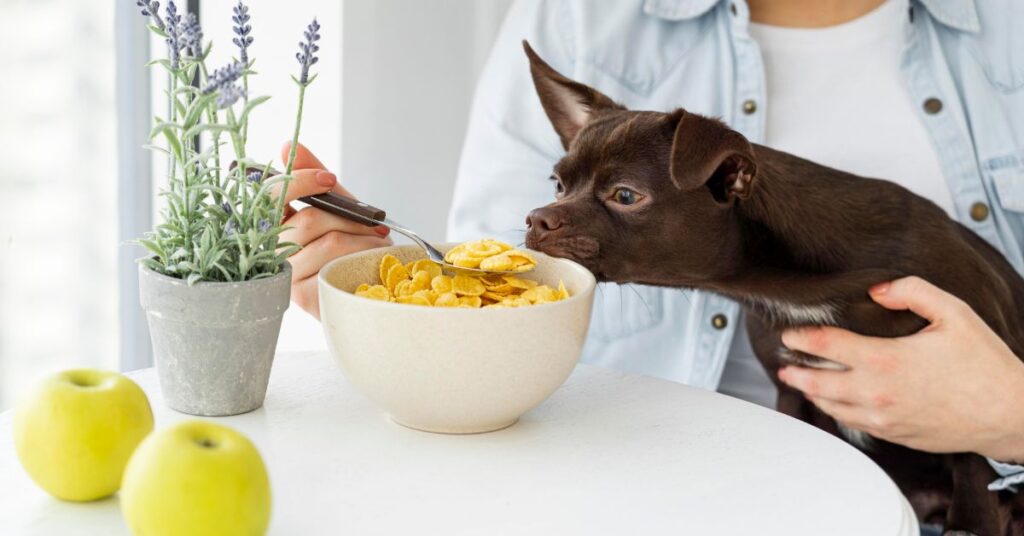
Dogs have a digestive system that can process many natural foods similar to humans. However, their nutritional needs and metabolism are different, which is why some foods are safe while others are dangerous.
Safe human foods can provide benefits such as:
- Extra vitamins and minerals
- Healthy fiber for digestion
- Natural antioxidants
- Low-calorie treats
- Variety in a dog’s diet
However, moderation is extremely important. Human foods should never replace a balanced dog diet, but they can be a healthy addition when given properly.
Before adding new foods to your dog’s diet, it’s always wise to consult your veterinarian, especially if your dog has allergies or medical conditions.
Safe Fruits Dogs Can Eat
Fruits can be a healthy and refreshing treat for dogs. Many fruits contain vitamins, fiber, and antioxidants that support overall health.
Apples
Apples are one of the most popular dog-safe human foods.
Benefits:
- Rich in vitamin A and vitamin C
- Contains fiber for digestion
- Low in fat
Feeding tip:
- Remove the seeds and core before giving apples to your dog.
Bananas
Bananas are soft, tasty, and packed with nutrients.
Benefits:
- High in potassium
- Supports muscle and nerve health
- Contains natural energy-boosting carbohydrates
Feeding tip:
- Serve in small slices since bananas contain natural sugar.
Blueberries
Blueberries are considered a superfood for dogs.
Benefits:
- High in antioxidants
- Supports immune system health
- May help slow aging in dogs
Feeding tip:
- Serve fresh or frozen for a cool treat.
Watermelon
Watermelon is a refreshing snack for dogs, especially during hot weather.
Benefits:
- Hydrating due to high water content
- Contains vitamins A, B6, and C
Feeding tip:
- Remove seeds and rind before feeding.
Strawberries
Strawberries are another healthy fruit option.
Benefits:
- Rich in vitamin C
- Contains antioxidants
- Supports immune health
Feeding tip:
- Cut into small pieces to avoid choking.
Safe Vegetables for Dogs
Vegetables are excellent low-calorie treats and can support digestive health.
Carrots
Carrots are a favorite among dogs.
Benefits:
- Great for dental health
- Rich in beta-carotene
- Supports eye health
Feeding tip:
- Serve raw or cooked in bite-size pieces.
Green Beans
Green beans are commonly recommended by veterinarians.
Benefits:
- Low in calories
- High in fiber
- Good for weight management
Feeding tip:
- Serve plain without salt or seasoning.
Sweet Potatoes
Dogs can benefit from sweet potatoes due to their nutritional value.
Benefits:
- Rich in fiber
- Supports digestive health
- Packed with vitamins A and C
Feeding tip:
- Always cook sweet potatoes before feeding.
Cucumbers
Cucumbers are refreshing and low in calories.
Benefits:
- Hydrating
- Good for overweight dogs
- Contains vitamins K and C
Feeding tip:
- Slice into small pieces for easy eating.
Pumpkin
Pumpkin is one of the best foods for a dog’s digestive system.
Benefits:
- Helps with constipation and diarrhea
- Rich in fiber
- Supports gut health
Feeding tip:
- Use plain cooked pumpkin, not pumpkin pie filling.
Protein-Rich Human Foods Dogs Can Eat

Dogs are naturally omnivores and benefit from high-quality protein sources.
Cooked Chicken
Plain cooked chicken is safe and nutritious.
Benefits:
- Excellent protein source
- Easy to digest
- Supports muscle growth
Feeding tip:
- Serve plain with no seasoning or bones.
Cooked Turkey
Turkey can be another healthy protein option.
Benefits:
- Lean protein
- Rich in vitamins and minerals
Feeding tip:
- Avoid turkey skin and seasoning.
Eggs
Eggs are one of the most nutritious foods dogs can eat.
Benefits:
- High-quality protein
- Rich in vitamins and amino acids
- Supports skin and coat health
Feeding tip:
- Always serve eggs cooked.
Salmon
Salmon provides essential omega-3 fatty acids.
Benefits:
- Supports heart health
- Improves skin and coat
- Helps reduce inflammation
Feeding tip:
- Serve cooked salmon without bones or seasoning.
Healthy Grains Dogs Can Eat
Grains are often misunderstood. While some dogs may have grain allergies, most dogs can digest certain grains easily.
Rice
Plain rice is commonly used for dogs with upset stomachs.
Benefits:
- Easy to digest
- Provides quick energy
- Gentle on the stomach
Oatmeal
Oatmeal can be a great breakfast treat for dogs.
Benefits:
- High in fiber
- Supports digestion
- Rich in nutrients
Feeding tip:
- Serve plain without sugar or additives.
Human Foods Dogs Should Never Eat
While many foods are safe, some human foods are extremely dangerous for dogs.
Avoid giving dogs:
- Chocolate
- Grapes and raisins
- Onions and garlic
- Avocado
- Alcohol
- Caffeine
- Xylitol (artificial sweetener)
- Macadamia nuts
There is a risk of poisoning associated with these foods.
If your dog accidentally eats a toxic food, contact your veterinarian immediately.
Important Feeding Rules for Human Foods
Even safe foods should be given carefully.
Follow these simple rules:
Feed in Moderation
Human foods should make up no more than 10% of your dog’s daily calories.
Avoid Seasoning
Salt, spices, butter, and oils can upset a dog’s stomach.
Cut Food Into Small Pieces
Small pieces reduce choking risks.
Introduce Foods Slowly
New foods should be introduced gradually to monitor for allergies.
Watch for Digestive Problems
Signs of food intolerance include:
- Vomiting
- Diarrhea
- Itching
- Low energy
If you notice any of these symptoms, stop feeding the food and consult your vet.
Common Mistakes Dog Owners Make
Many dog owners unintentionally make feeding mistakes.
Here are some common ones:
Overfeeding Treats
Even healthy foods can cause weight gain if given too often.
Feeding Table Scraps
Table scraps often contain harmful ingredients like salt and sauces.
Ignoring Portion Sizes
Dogs need much smaller portions than humans.
Not Checking Toxic Foods
Always research a food before giving it to your dog.
Conclusion
Sharing food with your dog can be a wonderful bonding experience, but it’s important to choose foods wisely. Understanding safe human foods for dogs allows you to provide healthy treats without risking your pet’s health.
Fruits like blueberries and apples, vegetables like carrots and pumpkin, and proteins like chicken and eggs can all be great additions to your dog’s diet when served properly.
Remember these key points:
- Always feed human foods in moderation
- Avoid toxic foods completely
- Keep meals simple and unseasoned
- Monitor your dog for reactions to new foods
Most importantly, every dog is different. If you’re unsure about adding a new food to your dog’s diet, consult your veterinarian for personalized advice.
A healthy diet, regular exercise, and responsible feeding habits will help your dog live a long, happy, and healthy life.
Dogs can eat small amounts of safe human food, but their main diet should be balanced dog food designed for their nutritional needs.
Some of the healthiest options include carrots, blueberries, pumpkin, cooked chicken, and eggs.
Yes, many dogs can eat cheese in small amounts. However, some dogs are lactose intolerant, so moderation is important.
Many fruits like apples, bananas, blueberries, and watermelon are safe, but seeds, pits, and rinds should be removed.
Human food should not exceed 10% of your dog’s daily diet.

Muhammad Ahad — SEO Specialist helping websites grow with smart, clean, and result-driven strategies. I improve search rankings, boost organic traffic, and turn content into real authority. I believe true SEO is built on data, trust, and consistency.
1 thought on “Safe Human Foods for Dogs: Vet-Approved List”