


Introduction:
You may feel overwhelmed and excited when you bring a puppy home for the first time.
Those tiny paws, playful jumps, and curious eyes depend completely on you.
But many new dog owners unknowingly make health mistakes in the first few months.
These mistakes can affect a puppy’s growth, immunity, and long-term health.
That’s why learning proper puppy health tips from day one is so important.
In this complete guide, you’ll learn how to:
- Keep your puppy healthy and active
- Avoid common health problems
- Build strong immunity
- Support safe growth and development
Whether you’re a first-time owner or experienced dog parent, this guide will help you raise a happy, healthy puppy with confidence.
Proper Nutrition for Puppy Health
Nutrition is the foundation of puppy health.
A puppy grows faster in the first year than at any other time in life.
Choose the Right Puppy Food
Always feed high-quality puppy food, not adult dog food.
Good puppy food should:
- Be labeled “complete and balanced for puppies”
- Contain animal-based protein
- Include healthy fats for brain development
- Have calcium and phosphorus for bones
Avoid cheap foods with fillers like corn, soy, and artificial colors.
Feeding Schedule for Puppies
A proper feeding routine keeps digestion healthy.
General feeding guide:
- 8–12 weeks: 4 meals per day
- 3–6 months: 3 meals per day
- 6–12 months: 2 meals per day
Stick to the same feeding times daily.
Foods Puppies Should Never Eat
Some human foods are dangerous for puppies.
Never feed:
- Chocolate
- Grapes or raisins
- Onions and garlic
- Cooked bones
- Sugary snacks
If unsure, always ask your vet first.
Regular Vet Visits and Vaccinations
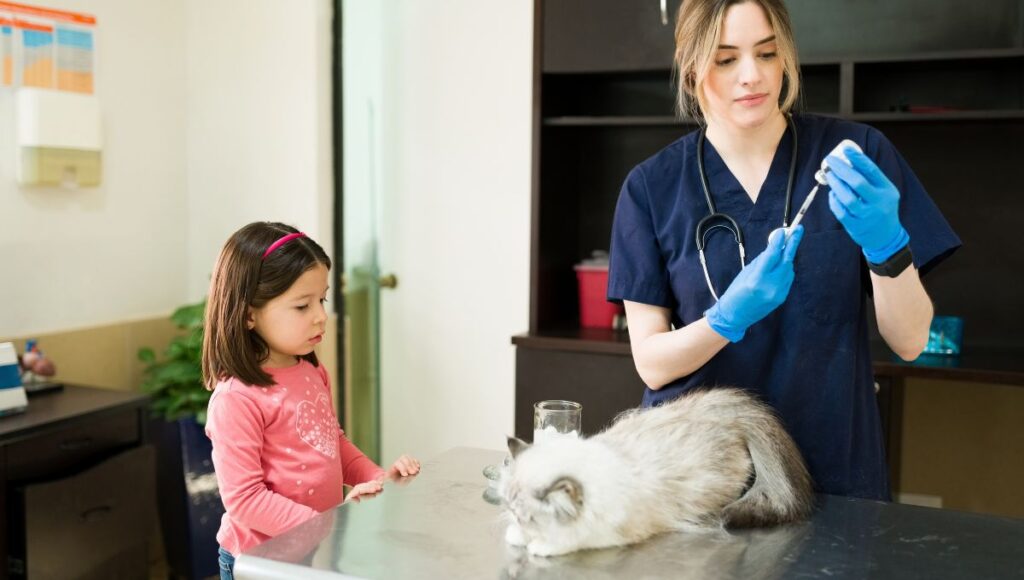
Vet care is a non-negotiable part of puppy health care.
First Vet Visit
Schedule your puppy’s first vet visit within 7 days of bringing them home.
The vet will:
- Check overall health
- Test for parasites
- Create a vaccination plan
- Give feeding advice
Puppy Vaccination Schedule
Vaccines protect puppies from deadly diseases.
Core vaccines usually include:
- Distemper
- Parvovirus
- Rabies
- Adenovirus
Missing vaccines can put your puppy at serious risk.
Deworming and Parasite Control
Puppies often have worms even if they look healthy.
Your vet may recommend:
- Deworming every 2–4 weeks
- Flea and tick prevention
- Heartworm prevention
Always follow professional advice.
Hygiene, Grooming, and Clean Living
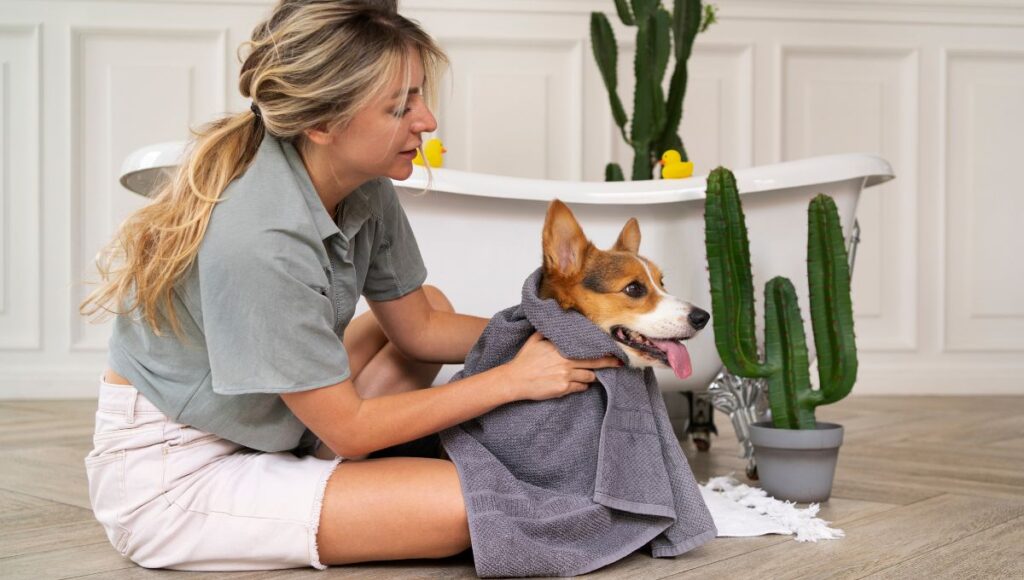
Good hygiene prevents infections and skin problems.
Bathing Your Puppy
Do not over-bathe your puppy.
Bathing tips:
- Use puppy-safe shampoo only
- Bathe once every 3–4 weeks
- Dry completely after bathing
Too many baths can dry the skin.
Dental Care for Puppies
Dental health is often ignored but very important.
Start early by:
- Using puppy toothbrushes
- Brushing teeth 2–3 times per week
- Offering dental chews
Healthy teeth prevent future pain and infections.
Clean Sleeping Area
Your puppy’s bed should be:
- Dry and warm
- Washed weekly
- Free from fleas and dirt
A clean space supports better immunity.
Exercise and Mental Stimulation
Exercise keeps puppies strong, active, and mentally healthy.
How Much Exercise Does a Puppy Need?
Puppies need exercise, but not too much.
General rule:
- 5 minutes of exercise per month of age
- Twice daily sessions
Example: A 3-month-old puppy needs about 15 minutes per session.
Safe Play Ideas
Good activities include:
- Short walks
- Tug toys
- Puzzle feeders
- Basic training games
Avoid long runs or jumping on hard surfaces.
Mental Stimulation Matters
Mental boredom can lead to behavior problems.
Stimulate your puppy with:
- Training sessions
- New toys
- Social interaction
- Safe exploration
A tired mind is a happy puppy.
Puppy Safety Tips at Home
Your home can be full of hidden dangers.
Puppy-Proof Your House
Before letting your puppy roam freely:
- Remove electrical cords
- Lock cleaning products
- Block stairs
- Secure trash bins
Think like a curious puppy.
Outdoor Safety
When outside:
- Always supervise
- Use a secure leash
- Avoid extreme heat or cold
- Keep away from unknown dogs
Never leave puppies alone outdoors.
ID and Microchipping
Every puppy should have:
- A collar with ID tag
- Microchip registration
This increases the chance of reunion if lost.
Early Training and Socialization
Training supports both health and behavior.
Why Early Training Matters
Training builds:
- Confidence
- Discipline
- Mental stimulation
- Strong owner-puppy bond
Start as early as 8 weeks.
Socialization Tips
Expose your puppy safely to:
- New people
- Other vaccinated dogs
- Different sounds and surfaces
Good socialization prevents fear and aggression later.
Avoid Harsh Training Methods
Never use:
- Physical punishment
- Yelling
- Fear-based tools
Positive reinforcement works best.
Common Puppy Health Mistakes to Avoid
Many owners make these mistakes unknowingly.
Overfeeding
Overfeeding leads to:
- Obesity
- Joint problems
- Digestive issues
Stick to portion guidelines.
Skipping Vet Visits
Delaying vet care can turn small problems into big ones.
Ignoring Behavior Changes
Signs like lethargy, vomiting, or appetite loss need attention.
Always consult your vet if something feels off.
FAQs About Puppy Health Tips
1. What is the recommended frequency of veterinary visits for my puppy?
During the first year, puppies need several visits for vaccines and growth checks. After that, yearly visits are recommended.
2. What is the most important puppy health tip?
Proper nutrition and timely vaccinations are the most critical for healthy development.
3. Can puppies eat homemade food?
Yes, but only if approved by a vet to ensure balanced nutrition.
4. When should puppies start exercising?
Light exercise can begin at 8 weeks, gradually increasing with age.
5. How do I know if my puppy is healthy?
A healthy puppy is active, eats well, has shiny fur, and shows curiosity. Any sudden changes require vet attention.
Conclusion
Raising a puppy is a big responsibility, but also a joyful journey.
Following these puppy health tips helps your dog grow strong, confident, and happy.
Focus on:
- Proper nutrition
- Regular vet care
- Clean living habits
- Safe exercise
- Loving attention
Always remember, your puppy depends on you for everything.
When in doubt, consult your veterinarian and choose care over shortcuts.
At DoggoPulse.com, we believe every puppy deserves a healthy start and a lifetime of love.
Take care, stay informed, and enjoy every moment with your furry companion 🐾💙

Muhammad Ahad — SEO Specialist helping websites grow with smart, clean, and result-driven strategies. I improve search rankings, boost organic traffic, and turn content into real authority. I believe true SEO is built on data, trust, and consistency.
2 thoughts on “Puppy Health Tips: A Complete Guide for New Owners”