

Introduction
Your dog’s paws work hard every single day. Whether your dog is running in the park, walking on hot pavement, or playing in the yard, their paw pads absorb pressure, protect bones, and provide traction.
However, many dog owners forget how important paw pad care really is. Dry, cracked, or injured paw pads can cause pain, infections, and difficulty walking.
Just like humans need comfortable shoes, dogs need healthy paw pads to move safely and comfortably.
In this guide, you will learn everything about paw pads dog care, including:
- What dog paw pads do
- Common paw pad problems
- How to protect your dog’s paws
- Daily care tips every dog owner should know
By the end, you’ll know how to keep your dog’s paws healthy, strong, and injury-free.
Is it Important to Use Dog Paw Pads?
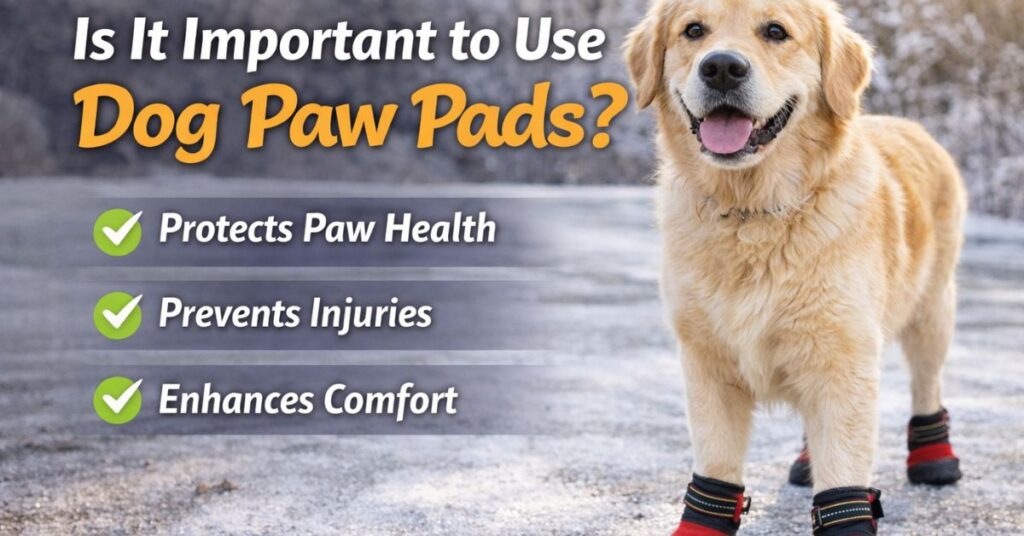
Dog paw pads are the thick, rubbery cushions on the bottom of your dog’s feet. These pads are made of fatty tissue and tough skin that help protect bones and joints from impact.
Dogs have five main paw pads on each foot:
- Digital pads (under each toe)
- Metacarpal pad (large central pad)
- Carpal pad (higher on the front leg)
Each pad plays an important role in how dogs move.
Functions of Dog Paw Pads
Shock Absorption
Paw pads act like natural cushions. They absorb pressure when dogs run, jump, or walk on hard surfaces.
Protection
They protect bones, joints, and tissues from rough terrain such as rocks, gravel, or uneven ground.
Temperature Control
Paw pads help regulate body temperature. Dogs sweat slightly through their paw pads.
Grip and Balance
The texture of the pads provides traction, helping dogs avoid slipping on smooth surfaces.
Without healthy paw pads, dogs may struggle with walking, running, or playing comfortably.
Common Paw Pad Problems in Dogs
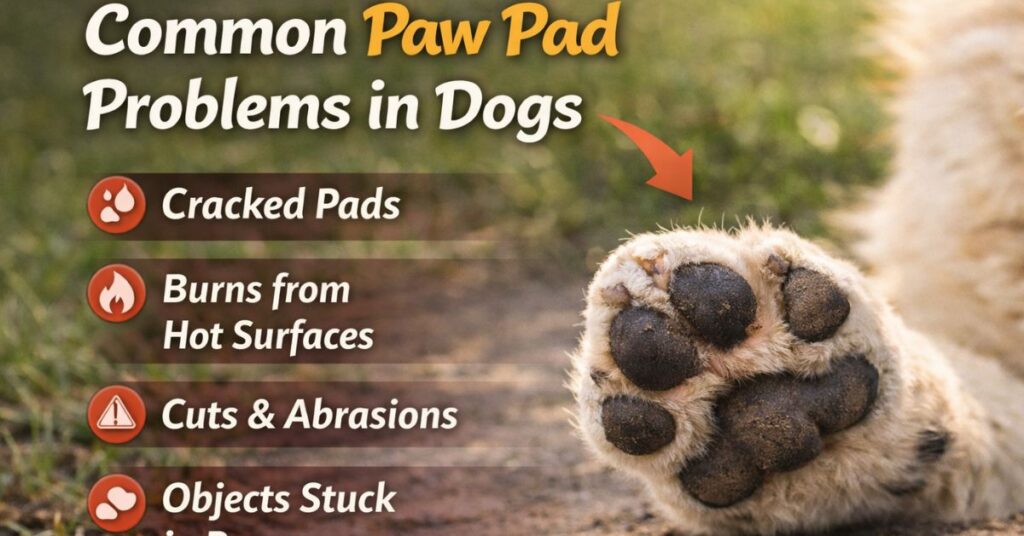
Even though paw pads are tough, they can still get injured or damaged. Some paw pad issues are minor, while others may require veterinary care.
A quick response can be achieved by knowing the warning signs.
1. Cracked Paw Pads
Dry weather, rough surfaces, or lack of moisture can cause cracked dog paw pads.
Signs include:
- Rough texture
- Visible cracks
- Bleeding
- Limping
Cracked pads can become painful and may lead to infections if untreated.
Causes
- Walking on hot pavement
- Cold winter weather
- Excessive running on rough surfaces
- Lack of paw moisturization
2. Burns from Hot Surfaces
Hot asphalt during summer can easily burn a dog’s paw pads.
You can tell if the ground is too hot for your dog if you feel it with your hand.
Symptoms of burns include:
- Blisters
- Redness
- Limping
- Refusing to walk
Always test pavement with your hand before walking your dog.
3. Cuts and Abrasions
Sharp objects like glass, rocks, or thorns can cut your dog’s paw pads.
These injuries may cause:
- Bleeding
- Pain when walking
- Licking the paw excessively
Even small cuts should be cleaned and monitored.
4. Allergies Affecting Paw Pads
Dogs with allergies often chew or lick their paws.
This may lead to:
- Irritated paw pads
- Redness
- Swelling
- Infection
If you notice constant paw licking, consult a veterinarian.
5. Foreign Objects Stuck in Paws
Small stones, thorns, or debris can become stuck between paw pads.
This can cause discomfort and infection if not removed.
Regular paw checks can prevent this issue.
How to Protect Your Dog’s Paw Pads
Protecting your dog’s paw pads is one of the most important parts of dog care.
It is possible to prevent many common problems by adopting simple daily habits.
Check Paws After Walks
Always inspect your dog’s paws after outdoor activities.
Look for:
- Cuts
- Splinters
- Dirt buildup
- Swelling
Removing debris early prevents infection.
Avoid Hot Pavement
During summer, pavement can reach extremely high temperatures.
Safe alternatives include:
- Walking early morning
- Walking late evening
- Choosing grassy paths
- Using shaded areas
This protects your dog’s sensitive paw pads from burns.
Use Dog Paw Balm
Moisturizing paw balms help keep paw pads soft and healthy.
Benefits include:
- Prevents cracking
- Protects from dryness
- Helps heal minor damage
Choose dog-safe products specifically made for pets.
Trim Hair Around Paw Pads
Long hair around paw pads can trap dirt and moisture.
This may lead to infections or slipping.
Use grooming scissors carefully or ask a professional groomer for help.
Consider Dog Boots
Dog boots provide extra protection in extreme weather.
They are helpful for:
- Snow and ice
- Hot pavement
- Hiking on rocky terrain
Many working dogs and hiking dogs use protective boots.
Daily Paw Pad Care Routine
A simple routine keeps your dog’s paws healthy.
You don’t need expensive tools—just consistency.
Step 1: Visual Inspection
Check your dog’s paws daily for:
- Cracks
- Cuts
- Swelling
- Foreign objects
Early detection prevents serious issues.
Step 2: Clean the Paws
After outdoor walks:
- Wipe paws with a damp cloth
- Remove dirt and debris
- Dry paws completely
Clean paws reduce bacteria and infection risk.
Step 3: Moisturize Paw Pads
Use a dog-safe paw balm 2–3 times per week.
Avoid human lotions because some ingredients may harm dogs.
Step 4: Trim Nails Regularly
Long nails change how a dog walks and can put pressure on paw pads.
Regular nail trimming improves overall paw health.
Do’s and Don’ts of Dog Paw Pad Care
Do’s
✔ Check paws regularly
✔ Walk dogs during cooler hours
✔ Use paw balm when needed
✔ Keep nails trimmed
✔ Visit the vet if injuries appear serious
Don’ts
✘ Do not walk dogs on extremely hot pavement
✘ Do not ignore cracked paw pads
✘ Do not use human creams without vet approval
✘ Do not force dogs to walk with injured paws
Proper care prevents pain and long-term damage.
When Should You Visit a Vet?
Some paw pad injuries require professional care.
Contact your veterinarian if you notice:
- Deep cuts
- Persistent bleeding
- Severe limping
- Swollen paws
- Signs of infection
- Pus or bad odor
Early veterinary treatment can prevent serious complications.
Never attempt to treat severe paw injuries at home.
Conclusion
Your dog’s paw pads are essential for walking, running, and playing comfortably. Although they are tough, they still need proper care and protection.
Simple habits like checking paws, avoiding hot pavement, moisturizing paw pads, and trimming nails can make a huge difference in your dog’s comfort and health.
Responsible dog owners understand that healthy paws mean a happy, active dog.
If you ever notice severe cracks, injuries, or signs of infection, consult a veterinarian immediately. Early care ensures your dog stays safe, active, and pain-free.
By giving attention to your dog’s paw pads, you’re taking an important step toward better overall dog health and well-being.
Rough paw pads are usually normal because dogs walk on many surfaces. However, extremely dry or cracked pads may need moisturizing and protection.
Yes, small amounts of coconut oil can help moisturize paw pads. However, it’s best to use dog-specific paw balms designed for pet safety.
ion tips include:
Using dog boots
Applying paw balm
Cleaning paws after walks
Avoiding salted sidewalks
Salt and ice can irritate paw pads.
Yes. Cracked paw pads can be painful and may cause limping. Severe cracks should be examined by a veterinarian.
You should check your dog’s paws daily or after every walk. Regular inspection helps catch problems early.You should check your dog’s paws daily or after every walk. Regular inspection helps catch problems early.

Muhammad Ahad — SEO Specialist helping websites grow with smart, clean, and result-driven strategies. I improve search rankings, boost organic traffic, and turn content into real authority. I believe true SEO is built on data, trust, and consistency.
1 thought on “Paw Pads Dog Care: Protect Your Dog’s Feet”