

Introduction
Dog training for Blue Heelers can be challenging if you are not prepared for their intelligence and energy. Many owners struggle with issues like excessive nipping, stubborn behavior, barking, or a Blue Heeler that never seems to calm down.
The truth is simple: Blue Heelers are not bad dogs they are highly driven working dogs. When their needs are met, they become loyal, obedient, and incredibly reliable companions.
This guide explains how to train a Blue Heeler properly, whether you have a puppy or an adult dog. The advice here is practical, realistic, and based on real experience with herding breeds.
Understanding the Blue Heeler Temperament Before Training
Before you begin training, it is essential to understand how Blue Heelers think and behave.
Why Blue Heelers Act the Way They Do
Blue Heelers, also called Australian Cattle Dogs, were bred to herd cattle for long hours. This background explains their personality.
Common traits include:
- Very high intelligence
- Strong work ethic
- Natural herding instincts
- High energy levels
- Deep loyalty to one person
Because of this, Blue Heelers need structure and purpose. Without training, they often create their own rules, which leads to behavior problems.
What This Means for Training
- They learn commands quickly
- They need mental challenges daily
- They become bored easily
- Harsh training damages trust
Successful dog training for Blue Heelers focuses on clarity, consistency, and engagement.
When to Start Dog Training for Blue Heelers

Training a Blue Heeler Puppy
The ideal time to start training is between 8 and 10 weeks of age.
At this stage, puppies are curious and eager to learn.
Focus on:
- Name recognition
- Basic commands
- Bite inhibition
- Positive social exposure
Training sessions should be short. Best results are achieved by working out for five to ten minutes several times a day.
Training an Adult Blue Heeler
Adult Blue Heelers can still learn new behaviors. Training may take longer, but it is very effective when done correctly.
Key points:
- Be patient and consistent
- Reward calm behavior
- Avoid punishment
- Set clear expectations
Reward-based training is especially effective for adult dogs.
Essential Obedience Training for Blue Heelers
Obedience training is the foundation of good behavior and safety.
Basic Commands Every Blue Heeler Needs
Start with these commands:
- Sit – Helps control impulsive behavior
- Stay – Prevents chasing and running off
- Come – Critical for safety
- Down – Encourages calmness
- Heel – Improves leash manners
Use clear commands and reward immediately when your dog responds correctly.
Training Tips That Work Best
- Use high-value treats like chicken or cheese
- Train before meals when motivation is high
- Keep sessions short and positive
- End training on a successful note
Avoid repeating commands. Say the command once, guide the behavior, then reward.
Managing High Energy and Herding Instincts
Why Blue Heelers Nip and Chase
Nipping is part of a Blue Heeler’s herding instinct. It is not aggression.
Without proper training and exercise, this instinct can lead to:
- Chasing children
- Nipping ankles
- Excessive barking
Healthy Ways to Release Energy
Blue Heelers require both physical and mental exercise every day.
Recommended activities:
- Long daily walks or runs
- Structured fetch games
- Obedience drills
- Puzzle toys
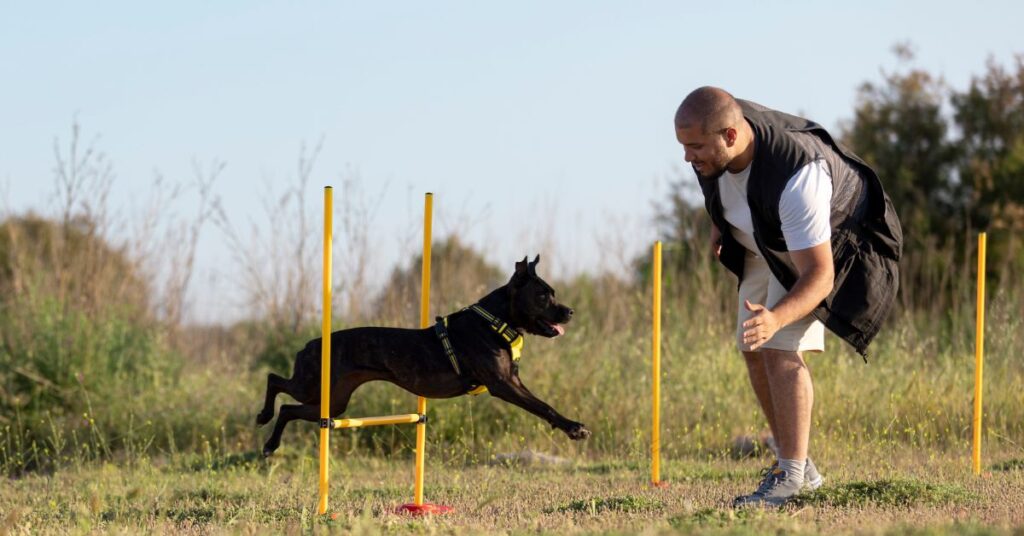
- Agility or advanced training
A tired Blue Heeler is easier to train and far less destructive.
Positive Reinforcement Training for Blue Heelers
Positive reinforcement is the most effective training method for this breed.
Why Harsh Training Fails
Punishment-based methods can cause:
- Fear and anxiety
- Aggression
- Loss of trust
Blue Heelers are sensitive and respond best to guidance, not force.
How to Reward Correct Behavior
Rewards may include:
- Treats
- Verbal praise
- Toys
- Playtime
Reward your dog within one or two seconds of the correct behavior. Timing is critical for learning.
Common Mistakes in Dog Training for Blue Heelers
Saving time and frustration can be achieved by avoiding these mistakes.
Mistake 1: Not Enough Exercise
A bored Blue Heeler quickly becomes destructive or disobedient.
Mistake 2: Inconsistent Rules
Allowing bad behavior sometimes and correcting it later confuses your dog.
Mistake 3: Repeating Commands
Repeating commands teaches your dog to ignore you.
Mistake 4: Poor Socialization
Lack of social exposure can cause fear, reactivity, and aggression later.
Safety Tips During Training
- Always use a secure leash outdoors
- Do not overtrain young puppies
- Provide water during long sessions
- A stressed dog shouldn’t be trained
If your Blue Heeler shows sudden behavior changes, consult a veterinarian or certified trainer to rule out medical issues.
Conclusion
Dog training for Blue Heelers is about guidance, not control. These dogs are intelligent, loyal, and hardworking. When trained correctly, they become calm, obedient, and deeply bonded to their owners.
Start training early.
Stay consistent.
Meet their exercise needs.
With patience and proper training, your Blue Heeler will become a confident and reliable companion.
At DoggoPulse.com, we believe responsible training leads to happier dogs and stronger relationships. Give your Blue Heeler the structure they need, and they will give you loyalty for life.
No. They are intelligent and learn quickly, but they require daily mental and physical activity.
Basic obedience usually takes 4 to 8 weeks with consistent training.
Yes. Many owners successfully train their dogs at home using positive reinforcement.
They can be, but only if the owner is active and committed to training.
This usually happens due to boredom, inconsistent training, or lack of motivation.

Muhammad Ahad — SEO Specialist helping websites grow with smart, clean, and result-driven strategies. I improve search rankings, boost organic traffic, and turn content into real authority. I believe true SEO is built on data, trust, and consistency.
1 thought on “Dog Training for Blue Heelers: A Complete Owner’s Guide”