

Introduction
Many dog owners focus on feeding, grooming, and exercise—but forget one critical part of their dog’s health: dental care. Bad breath, gum disease, and even severe health problems can be caused by poor oral hygiene.
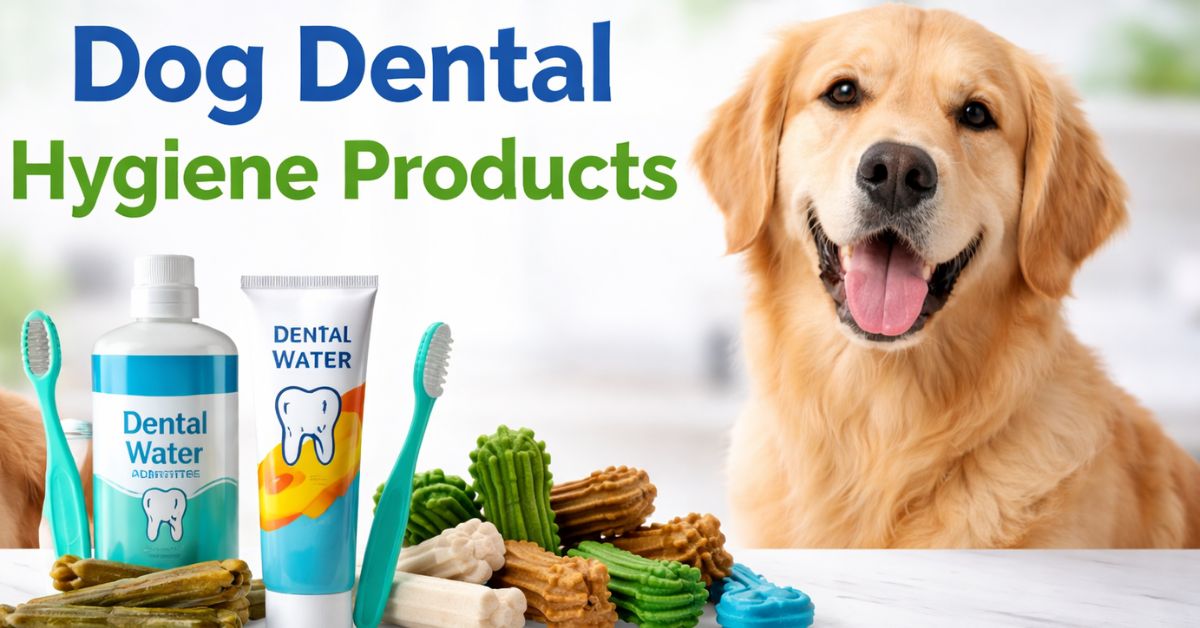
That’s where dog dental hygiene products come in. The right tools can make cleaning your dog’s teeth easy, safe, and effective—even if your dog hates brushing.
In this complete guide, you’ll learn everything you need to know about keeping your dog’s mouth clean. From toothbrushes to dental chews, we’ll cover the best products, how to use them, and real tips that actually work.
Why Dog Dental Hygiene Matters
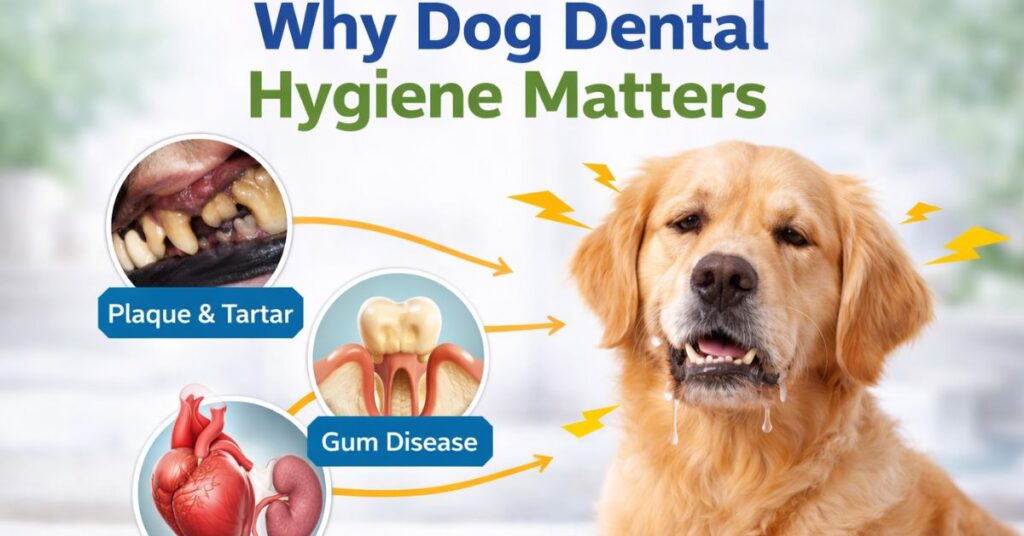
Dental care is not just about fresh breath—it’s about your dog’s overall health.
Common Dental Problems in Dogs
Without proper care, dogs can develop:
- Plaque and tartar buildup
- Gum inflammation (gingivitis)
- Tooth decay
- Pain while eating
- Bad breath
In severe cases, bacteria from the mouth can spread to vital organs like the heart and kidneys.
Signs Your Dog Needs Dental Care
Watch for these warning signs:
- Yellow or brown teeth
- Bleeding gums
- Strong bad breath
- Difficulty chewing
- Excessive drooling
If you notice any of these, consult your vet as soon as possible.
Types of Dog Dental Hygiene Products
There are many types of dog dental hygiene products, each designed for a specific purpose. Using a combination gives the best results.
1. Dog Toothbrushes
A toothbrush is the most effective way to clean your dog’s teeth.
Types of Dog Toothbrushes
- Finger toothbrushes
A soft, easy-to-use tool that is perfect for beginners. - Double-headed brushes
Clean both sides of teeth at once - Long-handle brushes
Better for reaching back teeth
Pro Tip:
Start slowly and let your dog get used to brushing. By giving treats and praising, you can make it a positive experience.
2. Dog Toothpaste
Never use human toothpaste it can harm your dog.
Features of Good Dog Toothpaste
- Safe if swallowed
- Enzyme-based formula
- Flavors dogs love (chicken, peanut butter)
Benefits
- Breaks down plaque
- Freshens breath
- Reduces bacteria
3. Dental Chews for Dogs
Dental chews are one of the easiest ways to maintain oral health.
How They Work
Chewing helps:
- Scrape off plaque
- Massage gums
- Reduce tartar buildup
What to Look For
- Vet-approved products
- Size-appropriate for your dog
- Digestible ingredients
4. Dental Sprays and Water Additives
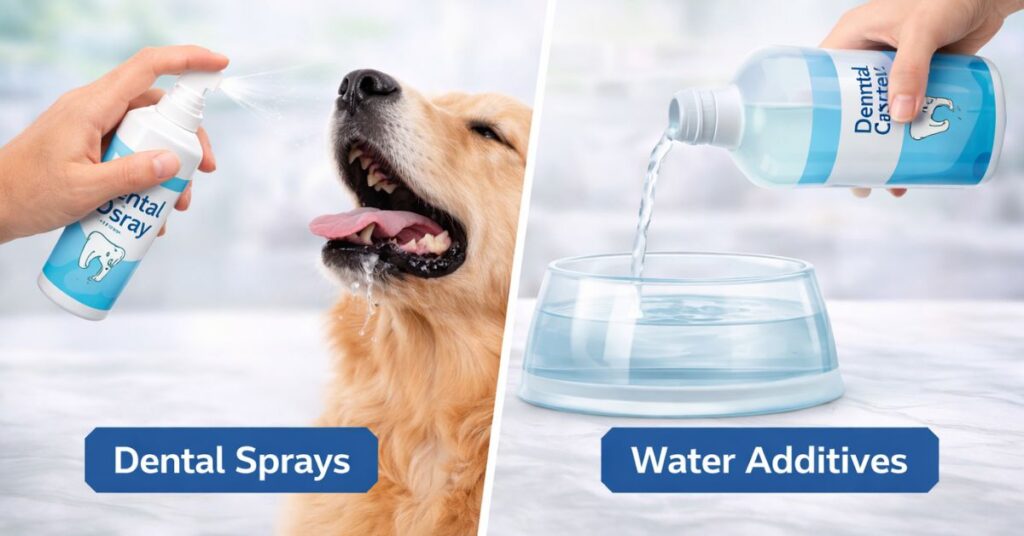
These are perfect for dogs who refuse brushing.
Dental Sprays
- Applied directly to teeth and gums
- Help fight bacteria
- Easy daily use
Water Additives
- Added to drinking water
- Freshen breath
- Support oral hygiene
Best For:
Busy owners or dogs that resist brushing
5. Dental Wipes
Dental wipes are a great alternative to toothbrushes.
Benefits
- Easy to use
- Less stressful for dogs
- Good for quick cleaning
Limitations
They don’t clean as deeply as brushing but are better than no care.
6. Dog Dental Toys
Some toys are designed to promote dental health while your dog plays.
Features
- Textured surfaces
- Durable materials
- Encourages chewing
Bonus
They also help reduce boredom and anxiety.
How to Choose the Right Dental Products
Not all dogs are the same. Choosing the right dog dental hygiene products depends on your dog’s needs.
Consider Your Dog’s Size and Age
- Small dogs need softer, smaller tools
- Puppies require gentle products
- Senior dogs may need softer chews
Check Ingredients
Avoid products with:
- Artificial chemicals
- Harmful additives
- Low-quality fillers
Look for Vet Recommendations
Products approved by vets are usually safer and more effective.
How to Build a Dog Dental Care Routine
Consistency is key to healthy teeth.
Daily Routine
- Brush your dog’s teeth (if possible)
- Use dental chews or additives
Weekly Routine
- Inspect teeth and gums
- Use wipes or sprays
Professional Care
Visit your vet for dental check-ups and cleanings when needed.
Do’s and Don’ts of Dog Dental Care
Do’s
- Start dental care early
- Use dog-specific products only
- Reward your dog after cleaning
- Stay consistent
Don’ts
- Don’t use human toothpaste
- Don’t ignore bad breath
- Don’t force your dog aggressively
- Don’t skip vet visits
Common Mistakes Dog Owners Make
Even caring owners can make mistakes.
1. Only Using Chews
Chews help, but they don’t replace brushing.
2. Inconsistent Care
Cleaning once in a while won’t prevent dental issues.
3. Ignoring Early Signs
Small problems can become serious quickly.
4. Choosing Cheap Products
Low-quality products may be ineffective or unsafe.
Safety Tips for Using Dental Products
Your dog’s safety comes first.
- Always supervise chewing
- Choose the right size products
- Introduce new items slowly
- Stop if your dog shows discomfort
If your dog has severe dental issues, consult your vet before starting any routine.
Conclusion
Taking care of your dog’s teeth doesn’t have to be difficult. With the right dog dental hygiene products, you can prevent serious health issues and keep your dog happy and comfortable.
Start small. Choose products your dog enjoys. Stay consistent.
A healthy mouth means a healthier, longer life for your dog—and that’s something every responsible owner wants.
Make dental care part of your daily routine, and your dog will thank you with a bright smile and fresh breath 🐶
At least 3 or 4 times a week is recommended if that’s not possible.
No. They help reduce plaque but don’t replace brushing completely.
No. These can be harmful to dogs. Always use dog-specific toothpaste.
Try alternatives like dental wipes, sprays, or water additives.
If you notice bad breath, bleeding gums, or tartar buildup, consult your vet.

Muhammad Ahad — SEO Specialist helping websites grow with smart, clean, and result-driven strategies. I improve search rankings, boost organic traffic, and turn content into real authority. I believe true SEO is built on data, trust, and consistency.
1 thought on “Dog Dental Hygiene Products: Complete Guide for Healthy Smiles”