

Introduction
Dog biting is one of the most stressful problems dog owners face.
Whether it’s a playful puppy nipping your hands or an adult dog showing aggressive behavior, biting can quickly become dangerous if not handled correctly.
The good news?
Dog bite training works when done the right way.
Biting is rarely about a “bad dog.”
Most of the time, it’s caused by fear, lack of training, poor socialization, or misunderstanding canine behavior.
In this complete guide, you’ll learn safe, humane, and proven dog bite training techniques that actually work. These methods are trusted by trainers, vets, and experienced dog owners worldwide.
This article is written for:
- First-time dog owners
- Puppy parents
- Owners of rescue or reactive dogs
- Anyone worried about biting behavior
Let’s fix the problem without fear, punishment, or harm.
Understanding Why Dogs Bite (Before Training Starts)
Before starting dog bite training, you must understand why dogs bite. Training without knowing the cause often makes the problem worse.
Common Reasons Dogs Bite
Dogs bite for different reasons depending on age, breed, and environment.
1. Puppy Teething and Play Biting
Puppies explore the world with their mouths.
Biting is natural during teething and play.
Signs:
- Soft nips
- Tail wagging
- Play bows
This is normal—but it still needs training.
2. Fear or Anxiety
A scared dog may bite to protect itself.
Common triggers:
- Loud noises
- Sudden movements
- New people or pets
- Past abuse or trauma
3. Lack of Socialization
Dogs not exposed to people, kids, or other animals early may react with fear-based biting.
4. Resource Guarding
Some dogs bite when protecting:
- Food
- Toys
- Sleeping areas
- Owners
5. Pain or Medical Issues
Pain can turn even a gentle dog aggressive.
Possible causes:
- Dental problems
- Arthritis
- Injuries
- Ear infections
👉 Always consult a veterinarian if biting appears suddenly or worsens.
Dog Bite Training Basics Every Owner Must Know
Dog bite training is not about dominance or punishment.
It’s about teaching self-control, trust, and clear boundaries.
Golden Rules of Dog Bite Training
- Never hit or yell at your dog
- Avoid physical punishment
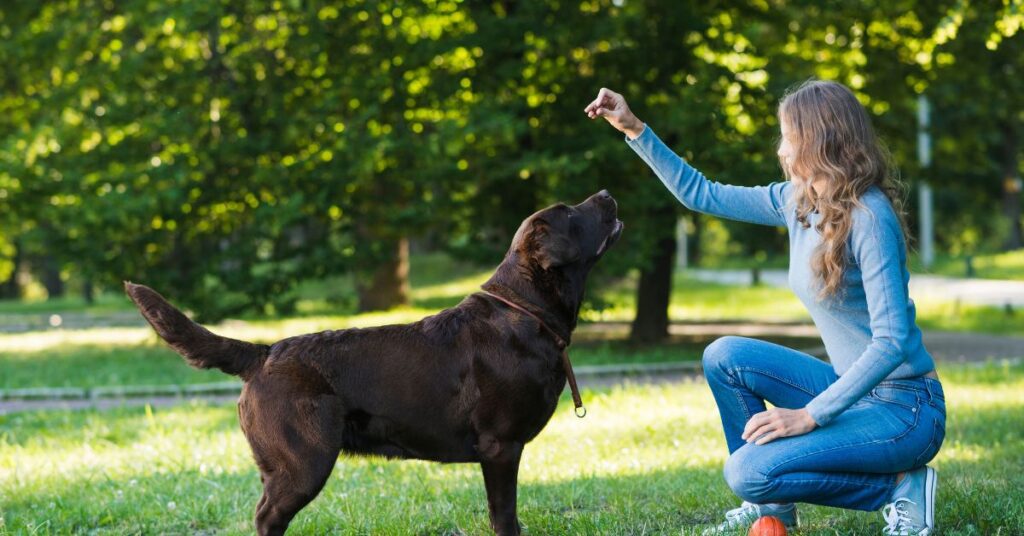
- Stay calm and consistent
- Reward good behavior
- Train daily in short sessions
Aggressive punishment increases fear and biting risk, according to experts like American Kennel Club and ASPCA.
Puppy Bite Training: Teaching Bite Inhibition
Puppy bite training is easier than retraining adult dogs.
What Is Bite Inhibition?
Bite inhibition means teaching a puppy how hard is too hard when using their mouth.
Dogs learn this naturally from their littermates.
You must continue this lesson at home.
Step-by-Step Puppy Bite Training
1. Use the “Ouch” Method
When your puppy bites too hard:
- Say “Ouch!” in a firm voice
- Stop play immediately
- Ignore for 10–15 seconds
This teaches consequences without fear.
2. Redirect to Toys
Always have chew toys nearby.
When biting starts:
- Calmly remove your hand
- Offer a toy instead
This shows what is acceptable to bite.
3. Reward Gentle Play
Praise your puppy when they lick or play gently.
Positive reinforcement works faster than punishment.
4. Short, Frequent Sessions
Puppies get overstimulated quickly.
- Train 5–10 minutes
- Several times a day
Puppy Bite Training Mistakes to Avoid
- Playing rough hand games
- Letting kids encourage biting
- Laughing when bitten
- Inconsistent rules
Adult Dog Bite Training: Safe and Responsible Approach
Adult dog biting requires extra caution.
Never assume it’s the same as puppy biting.
Step 1: Identify the Trigger
Observe carefully:
- When does biting happen?
- Who is involved?
- What is the environment?
Write it down if needed.
Step 2: Management Comes First
Before training:
- Use leashes or baby gates
- Avoid known triggers
- Give your dog space
Safety is priority.
Step 3: Teach Calm Alternatives
Instead of reacting with biting, train your dog to:
- Sit
- Go to a mat
- Look at you
Reward calm behavior heavily.
Step 4: Desensitization and Counter-Conditioning
This means slowly exposing your dog to triggers while pairing them with positive experiences.
Example:
- Trigger: visitors
- Solution: treats at a distance, slowly decreasing space over time
This process takes patience—but it works.
Step 5: Professional Help When Needed
If biting is severe, unpredictable, or fear-based:
- Contact a certified dog trainer
- Consider a veterinary behaviorist
This is not failure—it’s responsible ownership.
Do’s and Don’ts of Dog Bite Training
✅ Do’s
- Stay calm and confident
- Use positive reinforcement
- Train daily
- Supervise kids around dogs
- Provide mental and physical exercise
❌ Don’ts
- Never punish biting physically
- Don’t force interactions
- Avoid dominance-based methods
- Don’t ignore warning signs like growling
Growling is communication—not misbehavior.
Safety Tips for Families and Children
Children are at higher risk of dog bites.
Teach Kids to:
- Never disturb a sleeping dog
- Avoid hugging or face-to-face contact
- Let dogs sniff before touching
- Leave dogs alone while eating
For Parents:
- Always supervise interactions
- Teach respect, not fear
- Create dog-free zones at home
Common Dog Bite Training Mistakes
Even loving owners make these mistakes.
1. Waiting Too Long
Early training prevents long-term problems.
2. Inconsistent Rules
Mixed signals confuse dogs.
3. Ignoring Stress Signals
Yawning, lip licking, and turning away are warnings.
4. Expecting Instant Results
Behavior change takes time.
Patience is part of training.
When to Talk to a Vet or Trainer
You should seek professional help if:
- Biting breaks skin
- Behavior escalates
- Dog bites without warning
- Fear or pain is suspected
A vet can rule out medical issues before training continues.
Conclusion: Building Trust, Not Fear
Dog bite training is about understanding, patience, and responsibility.
Biting does not mean your dog is bad.
It means your dog needs guidance, safety, and clear communication.
By using positive methods, respecting your dog’s emotions, and getting help when needed, you can:
- Stop biting behavior
- Build trust
- Create a calm, happy home
At DoggoPulse.com, we believe responsible training saves relationships—and lives.
Train with kindness.
Protect your dog.
Protect your family. 🐾
Yes, when done correctly and consistently. Severe cases may need professional support.
Yes. Puppy biting is normal but must be trained early to prevent future issues.
No. Punishment increases fear and aggression. Positive training is safer and more effective.
It depends on age, cause, and consistency. Puppies improve in weeks; adult dogs may take months.
Absolutely. Dogs can learn at any age with proper training and patience.
Yes, when introduced positively. It adds safety during training but should not replace behavior work.

Muhammad Ahad — SEO Specialist helping websites grow with smart, clean, and result-driven strategies. I improve search rankings, boost organic traffic, and turn content into real authority. I believe true SEO is built on data, trust, and consistency.
1 thought on “Dog Bite Training: How to Stop Biting Safely”