

Introduction
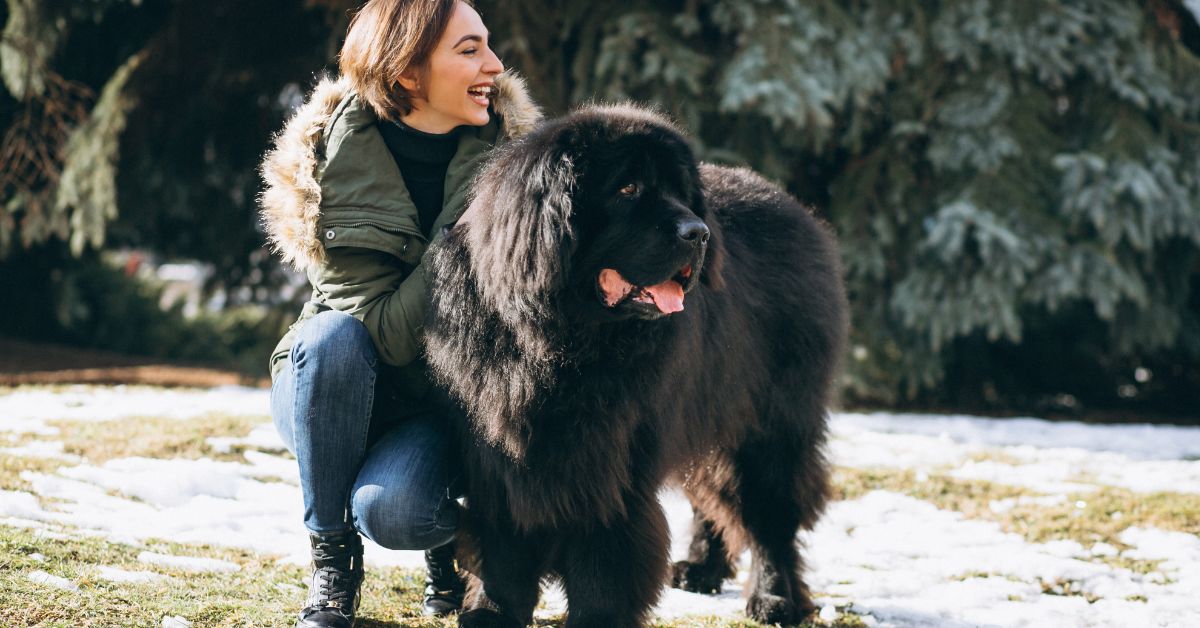
Bernese Mountain Dogs are known for their calm personality, loyalty, and beautiful tri-color coat.
They are gentle giants who love their families and usually get along well with children and other pets.
But there is something every owner must understand early on.
Bernese Mountain Dog health issues are more common and more serious than in many other breeds.
This does not mean they are weak dogs.
It means they need extra care, early health monitoring, and responsible ownership.
If you already have a Bernese Mountain Dog or are planning to get one, this guide will help you:
- Understand the most common health problems
- Recognize early warning signs
- Learn prevention tips
- Know when to visit a veterinarian
This article is written in simple, clear English, just like a real dog owner would explain it.
Why Bernese Mountain Dogs Have More Health Problems
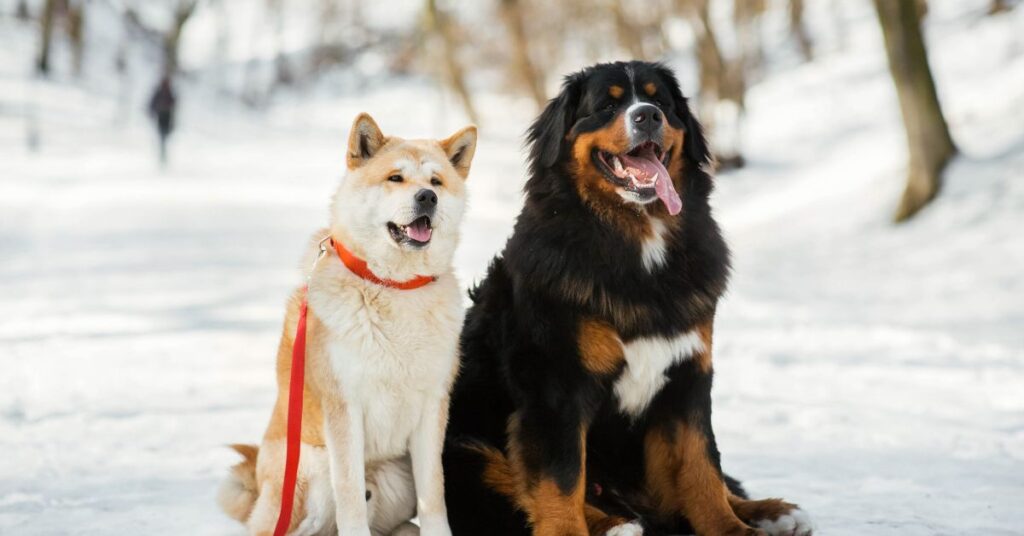
Bernese Mountain Dogs are a large working breed that developed from a limited gene pool.
Their size and genetics play a big role in their health risks.
Main Reasons Behind Health Issues
- Large body puts stress on joints and organs
- Faster growth rate as puppies
- Genetic conditions passed down over generations
- Shorter average lifespan compared to smaller breeds
On average, Bernese Mountain Dogs live 7 to 10 years.
That is why preventive care and early diagnosis are extremely important.
Most Common Bernese Mountain Dog Health Issues
Below are the most common Bernese Mountain Dog health issues owners should be aware of.
1. Cancer
Cancer is the number one health concern in Bernese Mountain Dogs.
Common types include:
- Histiocytic sarcoma
- Lymphoma
- Bone cancer
Signs to Watch For
- Lumps or swelling
- Sudden weight loss
- Loss of appetite
- Limping without injury
- Extreme tiredness
What You Can Do
- Check your dog’s body weekly
- Schedule regular vet visits
- Never ignore unusual behavior
Early detection can improve comfort and treatment options.
2. Hip and Elbow Dysplasia
Joint problems are very common in large breeds.
Hip and elbow dysplasia happen when joints do not form correctly, leading to pain and arthritis.
Symptoms
- Difficulty standing up
- Limping
- Stiffness after rest
- Reluctance to exercise
Prevention Tips
- Avoid heavy exercise during puppy growth
- Keep your dog at a healthy weight
- Use vet-approved joint supplements
- Provide soft sleeping surfaces
Early care helps slow joint damage.
3. Bloat (Gastric Torsion)
Bloat is a life-threatening emergency.
This is caused by a stomach full of gas twisting.
Warning Signs
- Swollen or hard belly
- Restlessness
- Drooling
- Dry heaving
- Rapid breathing
Important Note
Bloat can become fatal within hours.
If you suspect bloat, go to the emergency vet immediately.
4. Heart Problems
Bernese Mountain Dogs can develop heart conditions such as:
- Dilated cardiomyopathy
- Heart murmurs
Symptoms
- Fatigue
- Coughing
- Shortness of breath
- Reduced stamina
Routine heart checkups help catch problems early.
5. Eye Diseases
Eye problems may include:
- Progressive retinal atrophy (PRA)
- Cataracts
Initially, night blindness occurs as a result of PRA.
Signs
- Bumping into objects
- Fear in low-light areas
- Hesitation on stairs
There is no cure for PRA, but dogs adapt well with care.
Genetic Health Conditions in Bernese Mountain Dogs
Many Bernese Mountain Dog health problems are genetic.
Common Genetic Disorders
- Von Willebrand’s disease (bleeding disorder)
- Degenerative myelopathy
- Hypothyroidism
Why Responsible Breeding Matters
If buying a puppy:
- Ask for health clearances
- Avoid backyard breeders
- Choose ethical breeders
If adopting:
- Schedule full health screening early
Good genetics reduce future health risks.
Nutrition and Weight Control
Proper nutrition plays a major role in preventing Bernese Mountain Dog health issues.
Feeding Guidelines
- Use large-breed dog food
- Measure meals carefully
- Avoid overfeeding
- Limit treats
Foods to Avoid
- Fatty table scraps
- Cooked bones
- Chocolate, onions, grapes
- Excess calcium supplements
Keeping your dog lean protects joints, heart, and overall health.
Exercise: How Much Is Enough?
Bernese Mountain Dogs need regular activity, but too much exercise can harm growing joints.
Best Exercises
- Daily walks
- Light hiking
- Swimming
- Gentle play
Avoid
- Jumping on hard surfaces
- Long runs for puppies
- Slippery floors
Balanced exercise keeps muscles strong without joint damage.
Do’s and Don’ts for Better Health
✅ Do’s
- Visit the vet regularly
- Keep vaccinations updated
- Groom and check skin weekly
- Watch for behavior changes
❌ Don’ts
- Ignore limping or pain
- Overfeed because of size
- Delay vet visits
- Skip preventive care
Small daily habits protect long-term health.
When to See a Veterinarian
Contact your vet if your dog shows:
- Persistent vomiting or diarrhea
- Sudden weight loss
- Breathing difficulty
- Lumps or swelling
- Loss of appetite
Early treatment can save your dog’s life.
Conclusion
Bernese Mountain Dogs are loving, gentle, and loyal companions.
Every home is made warmer and happier by them.
But owning one also means understanding their health risks.
By learning about Bernese Mountain Dog health issues, you can:
- Detect problems early
- Reduce suffering
- Improve quality of life
- Be a responsible dog owner
With proper care, regular vet visits, and lots of love, your Bernese Mountain Dog can enjoy a comfortable and happy life.
Yes, they are prone to genetic and size-related health issues, especially cancer and joint problems.
Cancer is the most common and serious health issue in this breed.
Most live between 7 and 10 years, depending on genetics and care.
Yes. Proper nutrition and weight control reduce stress on joints and organs.
Yes. Medical costs can be high, and insurance helps manage unexpected expenses.

Muhammad Ahad — SEO Specialist helping websites grow with smart, clean, and result-driven strategies. I improve search rankings, boost organic traffic, and turn content into real authority. I believe true SEO is built on data, trust, and consistency.
1 thought on “Bernese Mountain Dog Health Issues: A Complete Owner’s Guide”